Versatile Customization Options for Enhanced Brand Presentation
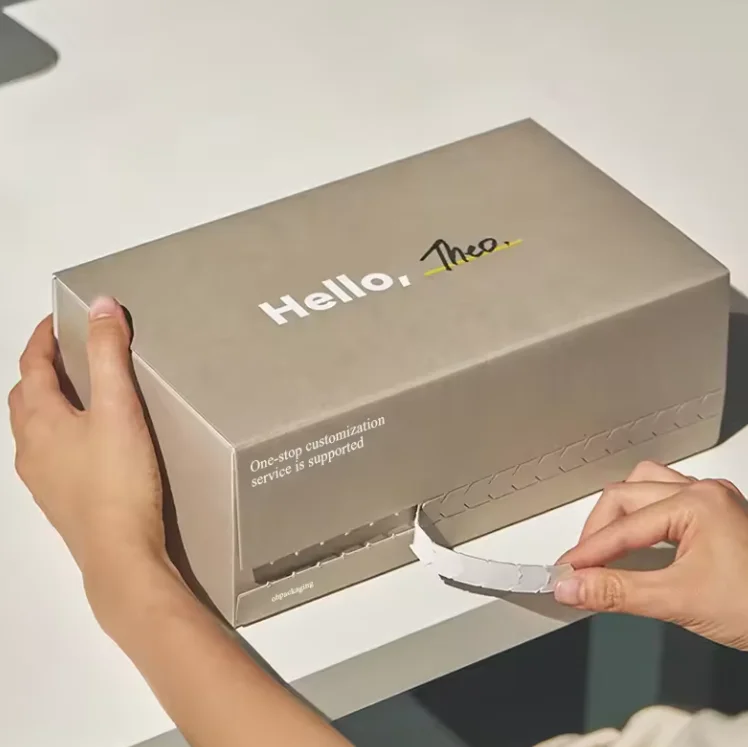
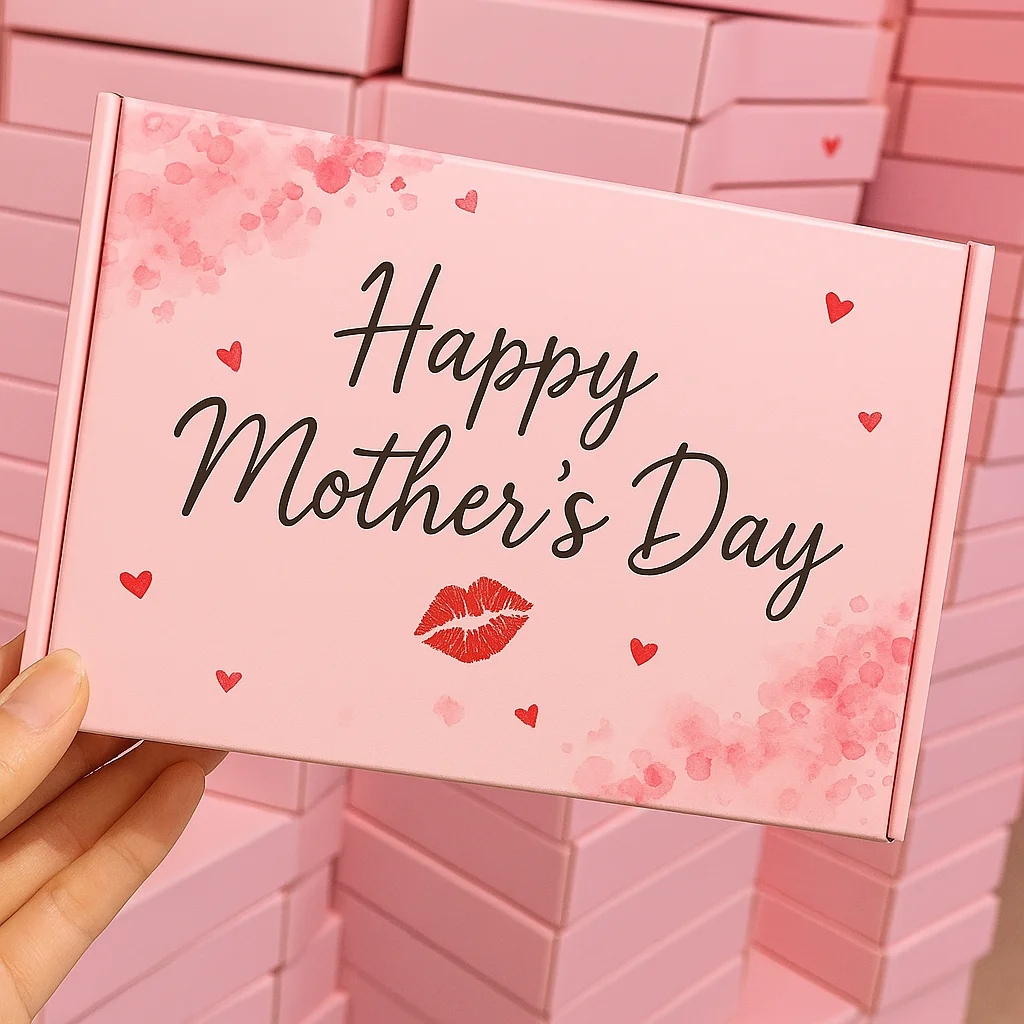
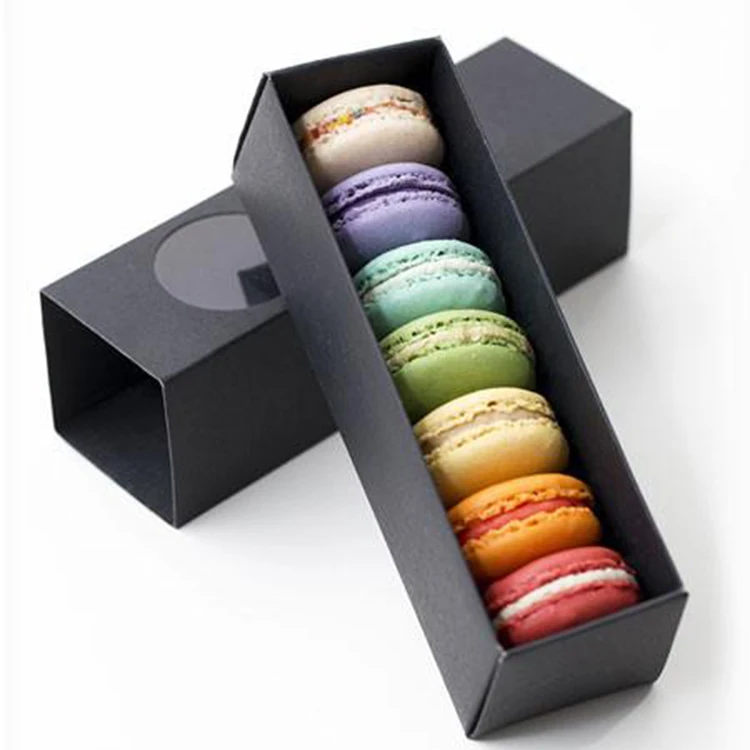
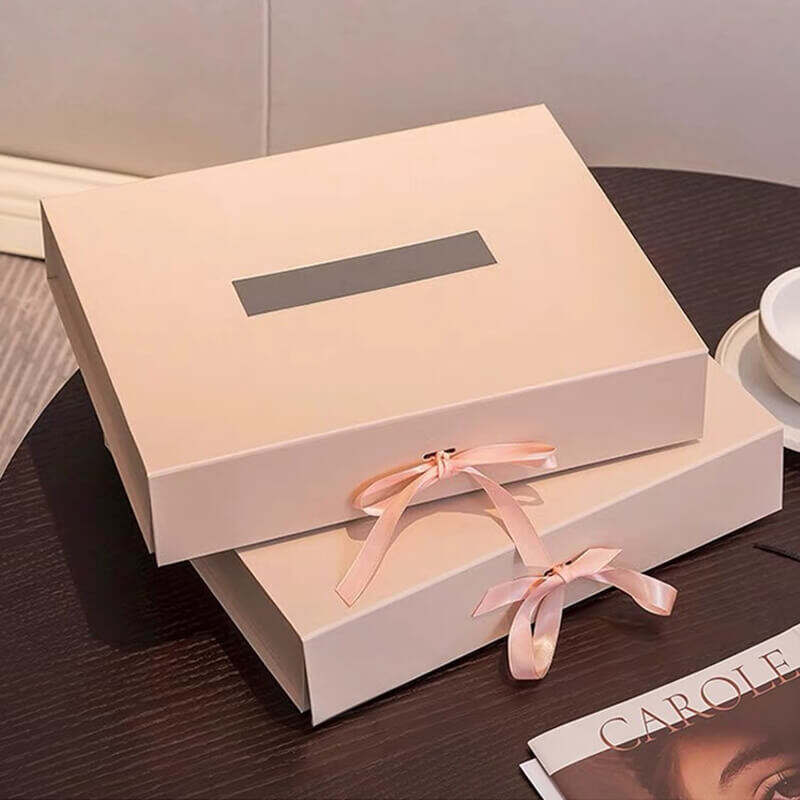
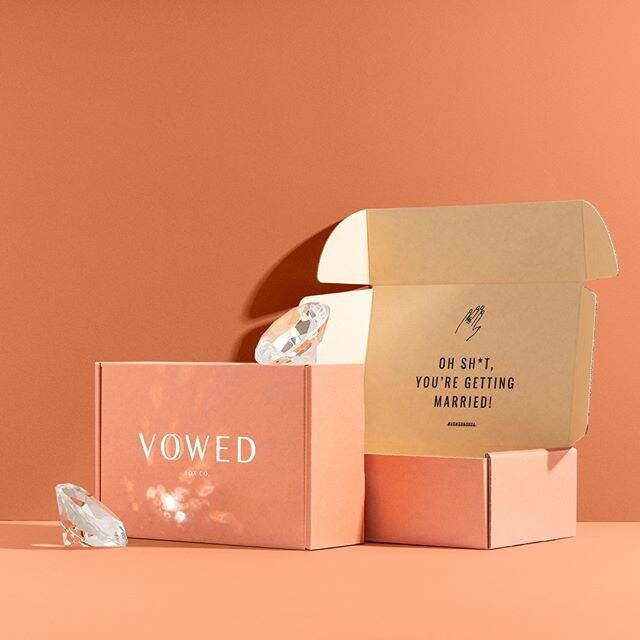
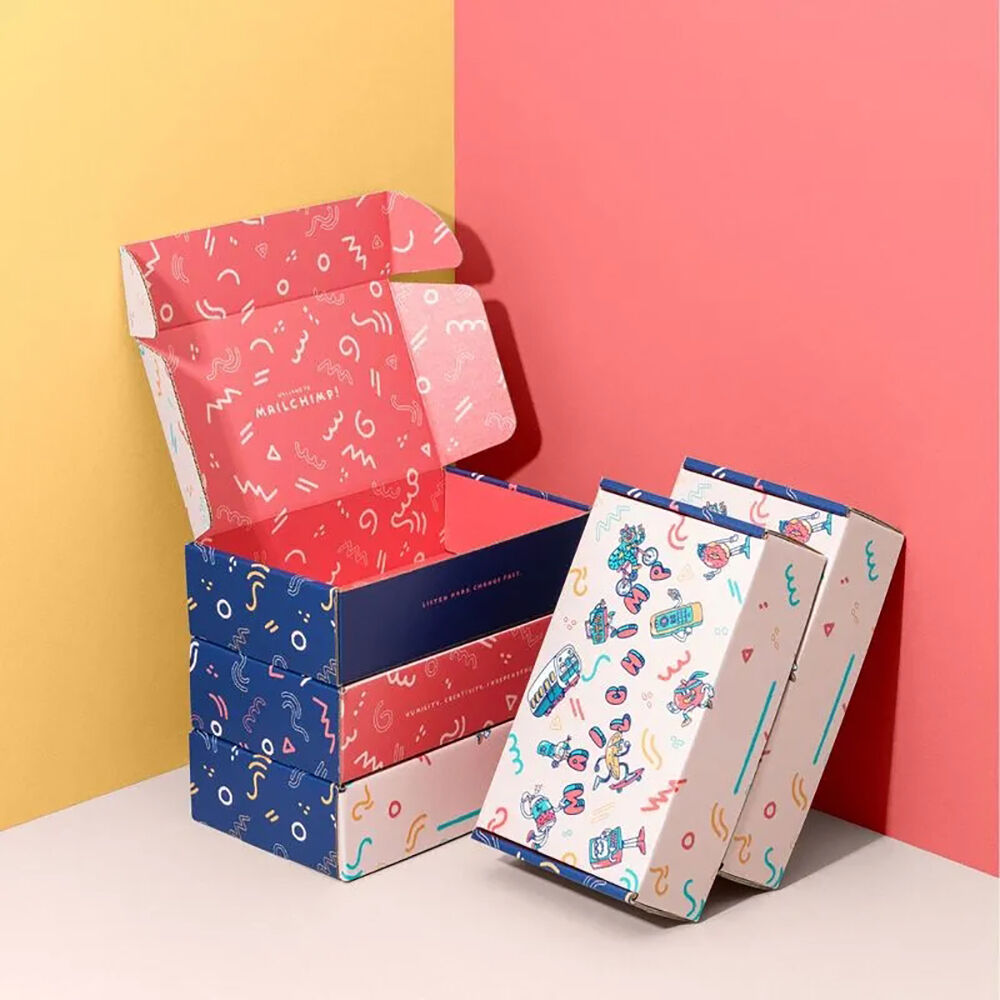
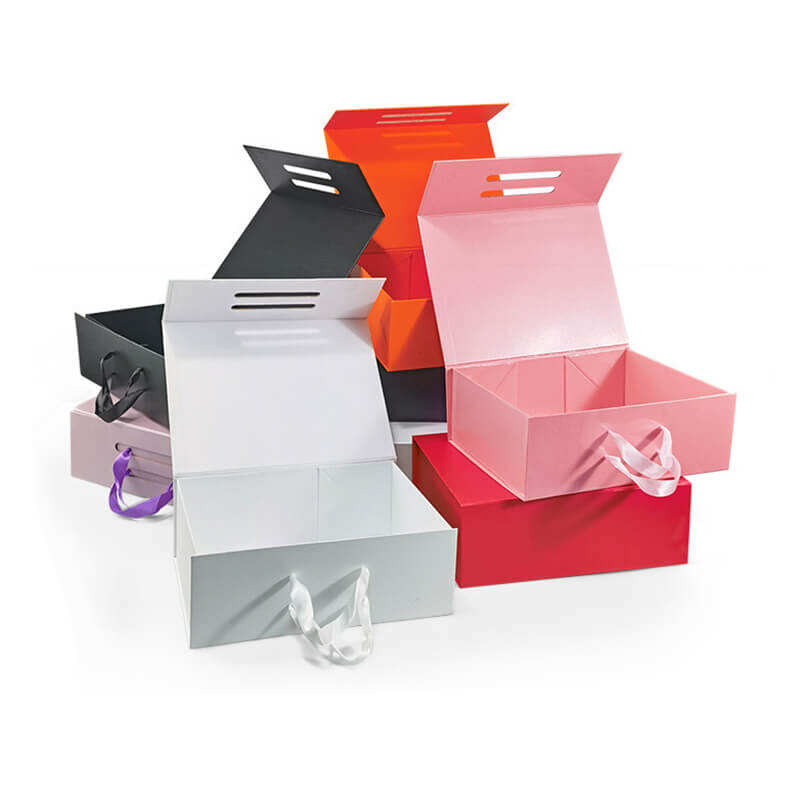
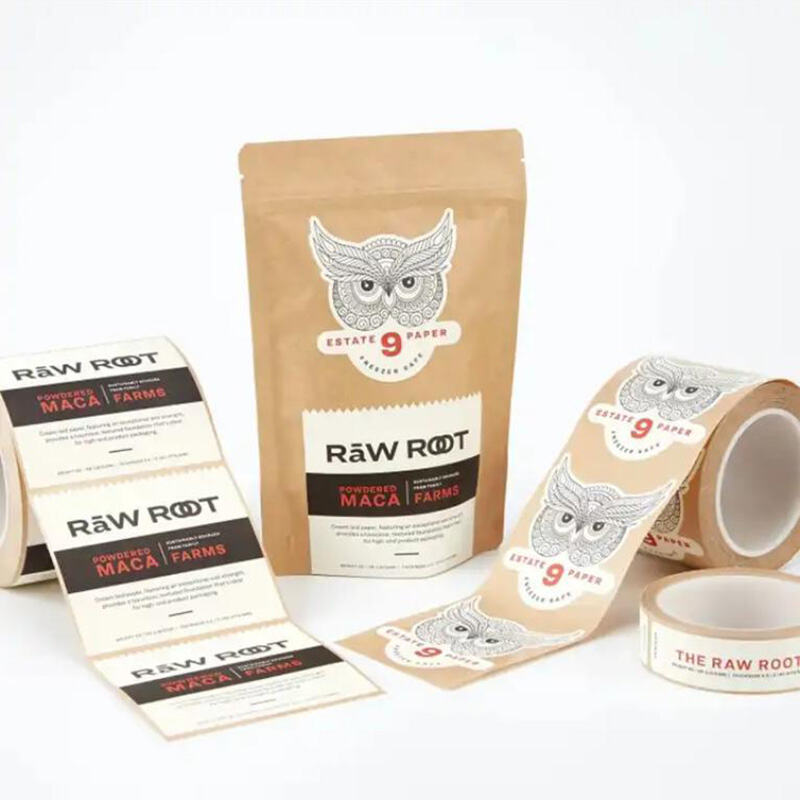
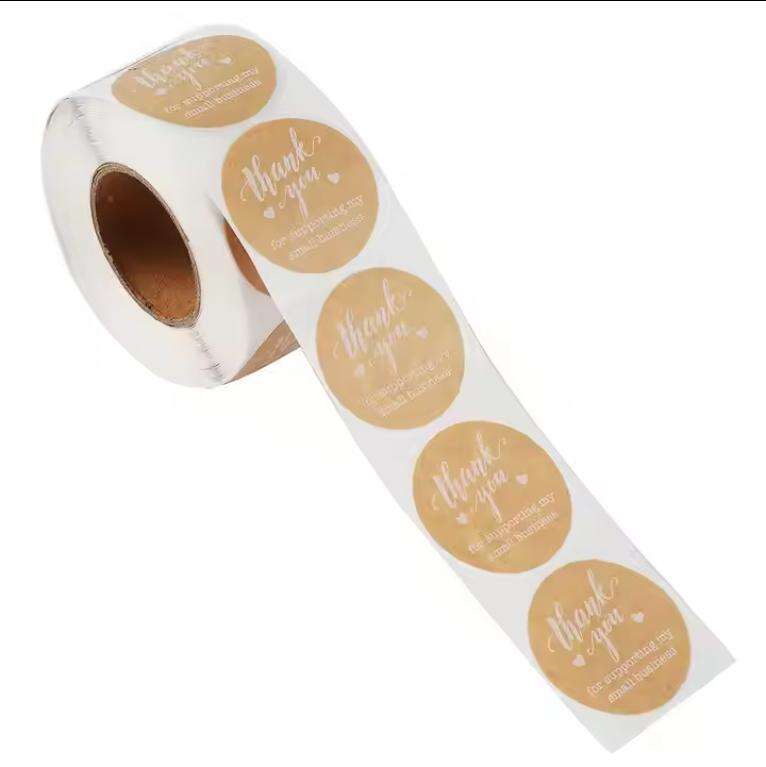
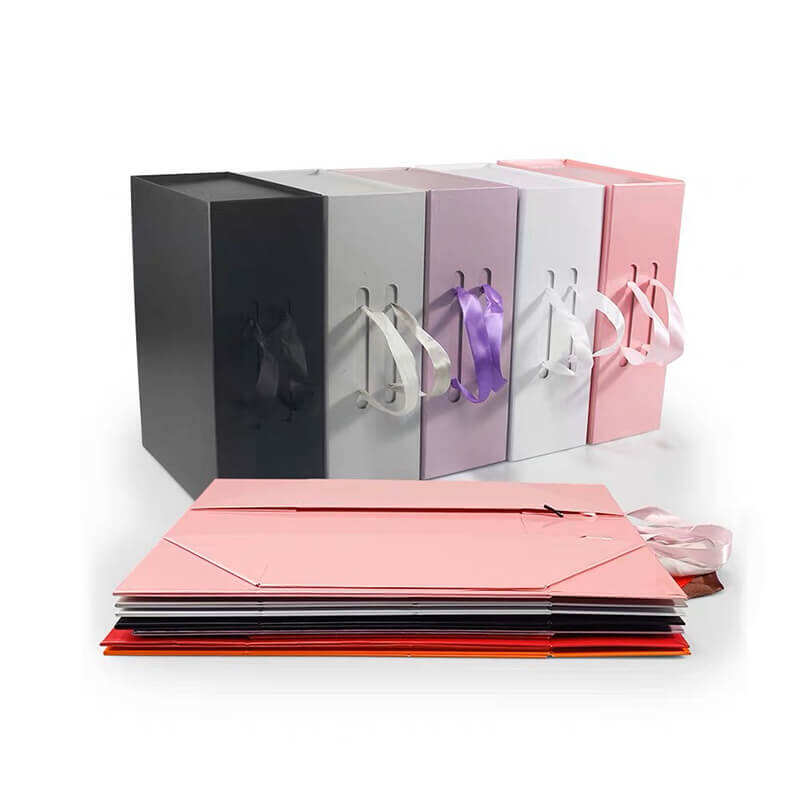
The remarkable adaptability of kraft wrapping to various customization techniques provides businesses with extensive opportunities to create distinctive packaging that reinforces brand identity and delivers memorable customer experiences while maintaining the practical protective functions essential for product integrity. The natural surface characteristics of kraft wrapping readily accept multiple printing technologies including flexographic, offset, and digital printing methods, allowing you to add logos, product information, usage instructions, and decorative designs that transform simple packaging into effective marketing tools. The slightly textured surface of kraft wrapping provides excellent ink adhesion, ensuring printed elements remain sharp and legible throughout handling and distribution processes without smudging or fading. The neutral brown tone of kraft wrapping serves as an ideal background that makes colored inks and designs stand out prominently, creating visual impact that captures attention and communicates professionalism. Businesses can leverage this contrast effect by using bright colors for key branding elements while allowing the natural kraft appearance to convey rustic authenticity and environmental consciousness. Stamp and sticker applications work exceptionally well on kraft wrapping, offering cost-effective customization for small businesses or limited production runs where full printing setups prove economically impractical. Hand-applied stamps create artisanal charm that resonates with consumers seeking authentic, personally crafted products rather than mass-produced uniformity. The material accepts both water-based and oil-based inks from stamps without bleeding or feathering, maintaining clean impressions that look intentional rather than amateur. String, twine, and ribbon embellishments attach securely to kraft wrapping through simple tying or adhesive application, enabling decorative finishing touches that elevate perceived value and create Instagram-worthy unboxing moments that customers eagerly share on social media platforms. These textile additions provide textural variety and color accents that complement the paper base while offering practical closure methods that eliminate need for excessive tape. Window cutouts and die-cut shapes can be incorporated into kraft wrapping designs, allowing glimpses of products inside while maintaining protective coverage over most surfaces. These strategic openings create intrigue and allow customers to verify product appearance before purchase in retail settings. Embossing and debossing techniques create raised or recessed designs in kraft wrapping that add tactile interest and premium feel to packaging, communicating quality and attention to detail that justifies higher price points. The fiber structure of kraft wrapping responds well to these dimensional customization methods without tearing or weakening. Perforations can be added to kraft wrapping to create easy-open features that enhance user convenience, demonstrating customer-centric design thinking while maintaining security during distribution. Businesses can incorporate tear strips, perforation lines, or notched edges that guide opening without requiring scissors or tools. The material also accepts labels and adhesive-backed printed elements that provide variable information such as batch numbers, expiration dates, or personalized recipient names while maintaining a cohesive branded appearance. This flexibility supports efficient operations where core packaging remains consistent but specific details change across production runs. Kraft wrapping works equally well in minimalist design approaches that emphasize the natural material beauty with sparse branding elements, or in maximalist applications featuring full-coverage printing and elaborate decorative treatments, giving creative professionals wide latitude to express brand personality through packaging design choices.

 EN
EN