
 EN
EN




The landscape of marketing communication has undergone a dramatic transformation as businesses navigate the intersection of traditional print materials and digital platforms. Understanding the innovative trends shaping brochure and digital content is essential for companies seeking to maintain competitive advantage in an increasingly connected marketplace. Modern organizations must balance tangible printed materials with dynamic online experiences, creating cohesive strategies that leverage the strengths of both mediums while addressing evolving consumer expectations and technological capabilities.
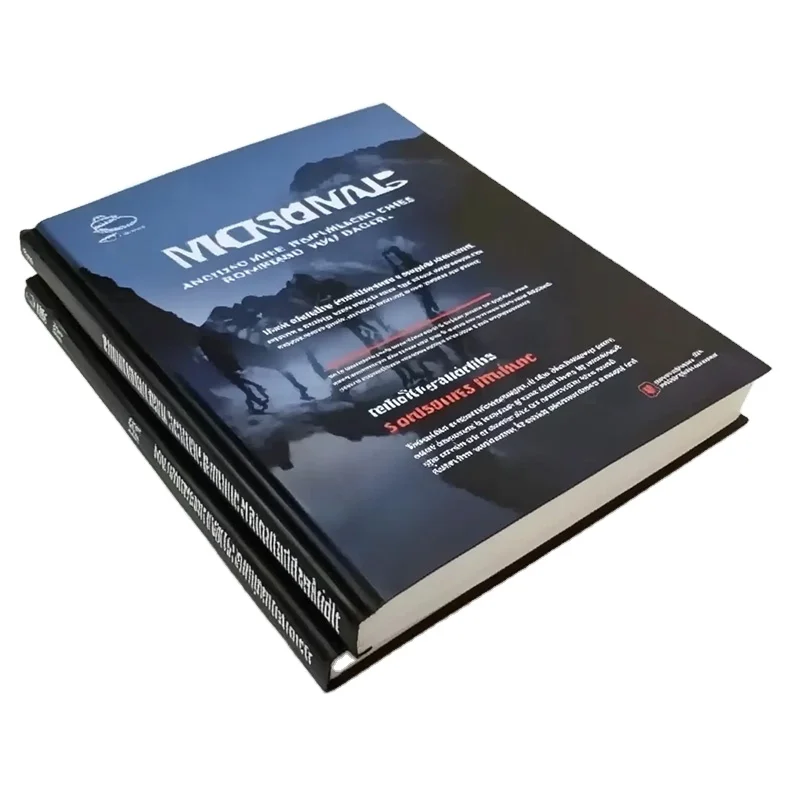
The convergence of physical and digital marketing assets represents more than a simple adaptation to changing technology; it reflects a fundamental shift in how audiences consume information and make purchasing decisions. Contemporary trends in brochure and digital content emphasize personalization, interactivity, sustainability, and seamless cross-channel integration. These innovations enable businesses to deliver more targeted messaging, measure engagement with unprecedented precision, and create memorable brand experiences that resonate across multiple touchpoints. As we explore these emerging patterns, we examine how forward-thinking organizations are reimagining content creation, distribution, and measurement to achieve superior marketing outcomes.
Personalization and Data-Driven Content Customization
Dynamic Content Adaptation Based on User Behavior
One of the most significant trends transforming brochure and digital content involves the use of behavioral data to tailor messaging to individual recipients. Digital platforms now enable marketers to track user interactions, preferences, and browsing patterns, then automatically adjust content presentation based on these insights. This level of customization extends beyond simple demographic segmentation to include psychographic factors, purchase history, and real-time engagement signals. Advanced content management systems can dynamically alter headlines, imagery, product recommendations, and calls-to-action to match the specific interests and needs of each viewer.
The application of personalization principles to printed materials has also evolved considerably. Variable data printing technology allows organizations to customize individual brochures within a single print run, incorporating recipient-specific text, images, and offers. This approach transforms traditional mass-produced materials into highly targeted communication tools that speak directly to each prospect's unique situation. When combined with digital tracking mechanisms such as personalized URLs or QR codes, these customized print pieces bridge the gap between physical and digital experiences while providing valuable data on recipient engagement and response rates.
Predictive Content Recommendations and Audience Segmentation
Artificial intelligence and machine learning algorithms are revolutionizing how organizations develop and distribute brochure and digital content. Predictive analytics tools examine historical engagement patterns to forecast which content types, topics, and formats will resonate most strongly with specific audience segments. These systems continuously refine their recommendations based on ongoing performance data, enabling marketers to optimize content strategies with increasing precision over time. The result is more efficient resource allocation and higher conversion rates as content becomes progressively better aligned with audience preferences.
Advanced segmentation strategies now incorporate multiple data dimensions simultaneously, creating highly refined audience profiles that inform both content creation and distribution decisions. Organizations combine firmographic data, behavioral signals, engagement history, and predictive scoring to identify microsegments with distinct content needs and consumption patterns. This granular approach to audience understanding enables the development of specialized content variations that address the specific concerns, challenges, and decision criteria relevant to each segment, significantly improving the effectiveness of both printed brochures and digital assets.
Interactive and Immersive Content Experiences
Augmented Reality Integration in Print Materials
Augmented reality technology has emerged as a transformative innovation that extends the capabilities of traditional printed brochures by layering digital content onto physical materials. When users scan designated areas of a brochure with their smartphones, they can access three-dimensional product visualizations, animated demonstrations, video testimonials, or interactive configuration tools. This fusion of physical and digital elements creates engaging, memorable experiences that capture attention more effectively than static content alone while providing practical utility that assists in the decision-making process.
The implementation of AR features in brochure and digital content strategies offers substantial benefits beyond novelty appeal. These interactive elements enable organizations to present complex information in more accessible formats, demonstrate product functionality in realistic contexts, and provide virtual try-before-you-buy experiences that reduce purchase hesitation. The technology also generates valuable engagement metrics, revealing which content elements attract the most interest and how long users interact with various features. As AR-capable devices become increasingly ubiquitous and the technology becomes more affordable to implement, this trend is expected to move from cutting-edge innovation to standard practice across numerous industries.
Video Integration and Motion Graphics
Video content has become a dominant force in digital marketing, and its integration into comprehensive content strategies represents a critical trend for organizations developing brochure and digital content. Short-form videos, explainer animations, product demonstrations, and customer testimonials provide dynamic alternatives to text-heavy presentations, catering to audiences who prefer visual learning and have limited attention spans. These motion-based assets can be embedded directly into digital brochures, accessed through QR codes in printed materials, or distributed across social media platforms to extend reach and engagement.
The strategic use of motion graphics and animated infographics enhances information retention and comprehension, particularly when explaining complex concepts, processes, or data relationships. These visual storytelling tools transform abstract ideas into concrete, memorable narratives that resonate emotionally while conveying factual information efficiently. Advanced video analytics provide detailed insights into viewer behavior, including watch time, drop-off points, and repeat viewing patterns, enabling continuous optimization of video content to maximize impact and effectiveness within broader brochure and digital content ecosystems.
Sustainability and Eco-Conscious Production Methods
Sustainable Materials and Green Printing Practices
Environmental consciousness has become a defining trend influencing how organizations approach the production of brochure and digital content. Companies increasingly prioritize sustainable paper sources, including recycled content and materials certified by responsible forestry organizations. Vegetable-based inks, waterless printing technologies, and energy-efficient production processes reduce the environmental footprint of printed materials while maintaining high quality standards. These eco-friendly practices resonate strongly with environmentally conscious consumers and align with corporate sustainability commitments that extend across all business operations.
The shift toward sustainability extends beyond materials selection to encompass the entire lifecycle of printed brochures. Organizations are rethinking print quantities to minimize waste, implementing print-on-demand strategies that eliminate excess inventory, and designing materials for easier recycling at end-of-life. Digital alternatives are being strategically deployed where appropriate, reducing overall print volumes without sacrificing marketing effectiveness. This balanced approach recognizes that printed materials remain valuable for certain applications while acknowledging the environmental advantages of digital distribution for other use cases.
Digital-First Strategies with Selective Print Applications
Contemporary approaches to brochure and digital content increasingly adopt digital-first philosophies that prioritize online delivery while reserving printed materials for situations where physical formats provide distinct advantages. This strategic framework recognizes that digital content offers superior flexibility, real-time updateability, detailed analytics, and lower distribution costs compared to printed alternatives. Organizations develop comprehensive digital content libraries that serve as primary information resources, then selectively produce printed materials for high-value prospects, trade show distribution, sales presentations, or situations where tangible materials create stronger impressions.
The selective use of premium printed materials in digital-first strategies elevates the perceived value and impact of physical brochures. When recipients encounter fewer printed pieces overall, each physical item carries greater significance and receives more attention. This scarcity effect, combined with higher production quality enabled by focused budgets, transforms printed brochures from commodity items into premium touchpoints that differentiate brands and create lasting impressions. Integration mechanisms such as personalized URLs and QR codes ensure that even these selective print applications connect seamlessly to digital ecosystems, enabling comprehensive tracking and follow-up engagement across channels.
Cross-Platform Integration and Omnichannel Coherence
Unified Design Systems and Brand Consistency
Maintaining visual and messaging consistency across diverse platforms represents a critical trend as organizations manage expanding portfolios of brochure and digital content. Unified design systems establish standardized visual elements, typography, color palettes, and component libraries that ensure brand coherence whether content appears in printed brochures, websites, mobile applications, social media, or email campaigns. These systematic approaches streamline content production, reduce design redundancy, and strengthen brand recognition by creating consistent experiences regardless of channel or format.
Advanced content management platforms enable centralized control of brand assets and messaging frameworks, ensuring that updates propagate consistently across all channels. This centralized governance prevents the fragmentation and inconsistency that often plague organizations managing content across multiple teams, departments, and external agencies. When combined with modular content approaches that treat individual content components as reusable building blocks, these systems dramatically improve efficiency while maintaining the flexibility to customize presentations for specific channels, audiences, or campaign objectives.
Seamless Transition Between Physical and Digital Touchpoints
Creating frictionless transitions as prospects move between printed brochures and digital content represents a sophisticated trend that acknowledges the non-linear nature of modern customer journeys. Organizations implement bridging technologies that connect physical and digital experiences seamlessly, including QR codes, near-field communication tags, augmented reality triggers, and personalized URLs. These mechanisms enable recipients of printed materials to instantly access additional information, video content, product configurators, or purchasing options without disrupting their engagement flow or requiring manual search efforts.
The strategic orchestration of touchpoints ensures that each interaction builds upon previous engagements, creating progressive narratives that guide prospects through awareness, consideration, and decision stages. Content strategies map specific brochure and digital content assets to particular journey stages, delivering appropriate information depth and calls-to-action based on where prospects are in their evaluation process. Sophisticated marketing automation platforms track cross-channel engagement, enabling responsive content delivery that adapts to individual behavior patterns and accelerates progression toward conversion objectives.
Advanced Analytics and Performance Measurement
Comprehensive Engagement Tracking Across Formats
The evolution of analytics capabilities has transformed how organizations measure the effectiveness of brochure and digital content. Digital platforms provide granular data on user behavior, including page views, time on page, scroll depth, click patterns, video engagement, download rates, and conversion actions. When printed materials incorporate tracking mechanisms such as unique URLs, QR codes, or promotional codes, organizations gain visibility into physical brochure performance that was previously impossible to measure. This comprehensive data collection enables evidence-based optimization of content strategies and clearer demonstration of marketing return on investment.
Advanced attribution modeling helps organizations understand how different content touchpoints contribute to conversion outcomes, recognizing that prospects typically interact with multiple assets across various channels before making purchase decisions. Multi-touch attribution frameworks assign appropriate credit to each interaction point, revealing which combinations of brochure and digital content elements most effectively drive desired outcomes. These insights inform strategic decisions about content investment priorities, channel selection, and creative approaches, ensuring resources flow toward the highest-performing tactics and formats.
Continuous Optimization Through Testing and Iteration
Data-driven optimization has become a defining characteristic of sophisticated brochure and digital content programs. Organizations implement systematic testing protocols that compare alternative headlines, imagery, layouts, messaging frameworks, and calls-to-action to identify which variations generate superior engagement and conversion results. Digital environments enable rapid A/B testing with statistically significant sample sizes, while print applications use sequential testing approaches or split runs to evaluate alternative creative executions. The cumulative knowledge gained through continuous testing cycles compounds over time, progressively improving content effectiveness and marketing efficiency.
Iterative refinement processes ensure that brochure and digital content strategies remain responsive to changing market conditions, competitive dynamics, and audience preferences. Organizations establish regular review cadences to analyze performance data, identify improvement opportunities, and implement refinements based on empirical evidence rather than subjective opinions. This disciplined approach to optimization creates sustainable competitive advantages as content programs become increasingly attuned to what actually drives results rather than what marketers assume will work.
FAQ
How do organizations balance investment between printed brochures and digital content in modern marketing strategies?
Organizations increasingly adopt digital-first approaches that prioritize online content development while strategically deploying printed materials for high-value applications where physical formats provide distinct advantages. Budget allocation typically reflects audience preferences, with B2B companies serving technical buyers often maintaining stronger print investments compared to consumer brands targeting digital-native demographics. The key is implementing tracking mechanisms across both formats to measure comparative effectiveness and adjust investment ratios based on actual performance data rather than assumptions. Many successful organizations find that integrated strategies combining both formats outperform single-channel approaches, as different audience segments respond preferentially to different media types depending on context and decision stage.
What technologies are most transformative for creating innovative brochure and digital content experiences?
Augmented reality stands out as particularly transformative, enabling printed brochures to trigger interactive digital experiences that dramatically extend the information and engagement capabilities of physical materials. Artificial intelligence and machine learning technologies drive personalization at scale, enabling dynamic content customization based on individual user characteristics and behaviors. Advanced analytics platforms that track engagement across multiple touchpoints and attribute conversion credit appropriately provide the insights necessary for continuous optimization. Variable data printing technology allows mass customization of printed materials, while content management systems with modular architecture enable efficient production and consistent distribution of content across diverse channels and formats.
How can smaller organizations with limited budgets implement innovative content trends effectively?
Smaller organizations should prioritize digital content development, which typically offers lower production costs, greater flexibility, and more accessible analytics compared to printed materials. Free or low-cost tools for video creation, graphic design, and content management enable professional-quality digital asset production without significant capital investment. When printed materials are necessary, digital printing technologies allow economical short runs with variable data capabilities, eliminating the waste and upfront costs associated with traditional offset printing. Focusing on a few high-impact innovations rather than attempting to implement all emerging trends simultaneously allows resource-constrained organizations to achieve meaningful differentiation without overextending budgets. Strategic partnerships with specialized service providers can also provide access to advanced capabilities on project-specific bases without requiring permanent infrastructure investments.
What metrics should organizations track to evaluate the effectiveness of integrated brochure and digital content strategies?
Comprehensive measurement frameworks should track engagement metrics including content views, time spent, interaction rates, and social sharing for digital assets, while using unique tracking codes, personalized URLs, and response mechanisms to measure printed material performance. Conversion metrics such as lead generation, sales pipeline contribution, and revenue attribution provide ultimate measures of business impact. Cross-channel metrics that reveal how prospects move between physical and digital touchpoints help optimize the orchestration of integrated campaigns. Cost efficiency measures including cost per engagement, cost per lead, and customer acquisition cost enable comparison of alternative tactics and inform budget allocation decisions. Organizations should also monitor qualitative indicators such as brand perception, message comprehension, and purchase intent to capture impacts that may not immediately translate to transaction metrics but influence longer-term business outcomes.
Table of Contents
- Personalization and Data-Driven Content Customization
- Interactive and Immersive Content Experiences
- Sustainability and Eco-Conscious Production Methods
- Cross-Platform Integration and Omnichannel Coherence
- Advanced Analytics and Performance Measurement
-
FAQ
- How do organizations balance investment between printed brochures and digital content in modern marketing strategies?
- What technologies are most transformative for creating innovative brochure and digital content experiences?
- How can smaller organizations with limited budgets implement innovative content trends effectively?
- What metrics should organizations track to evaluate the effectiveness of integrated brochure and digital content strategies?