Kraft Printing Solutions: Eco-Friendly, Durable Custom Packaging and Branding Services

Get a Free Quote

Our representative will contact you soon.
Email
Name
Company Name
Message
0/1000

kraft printing

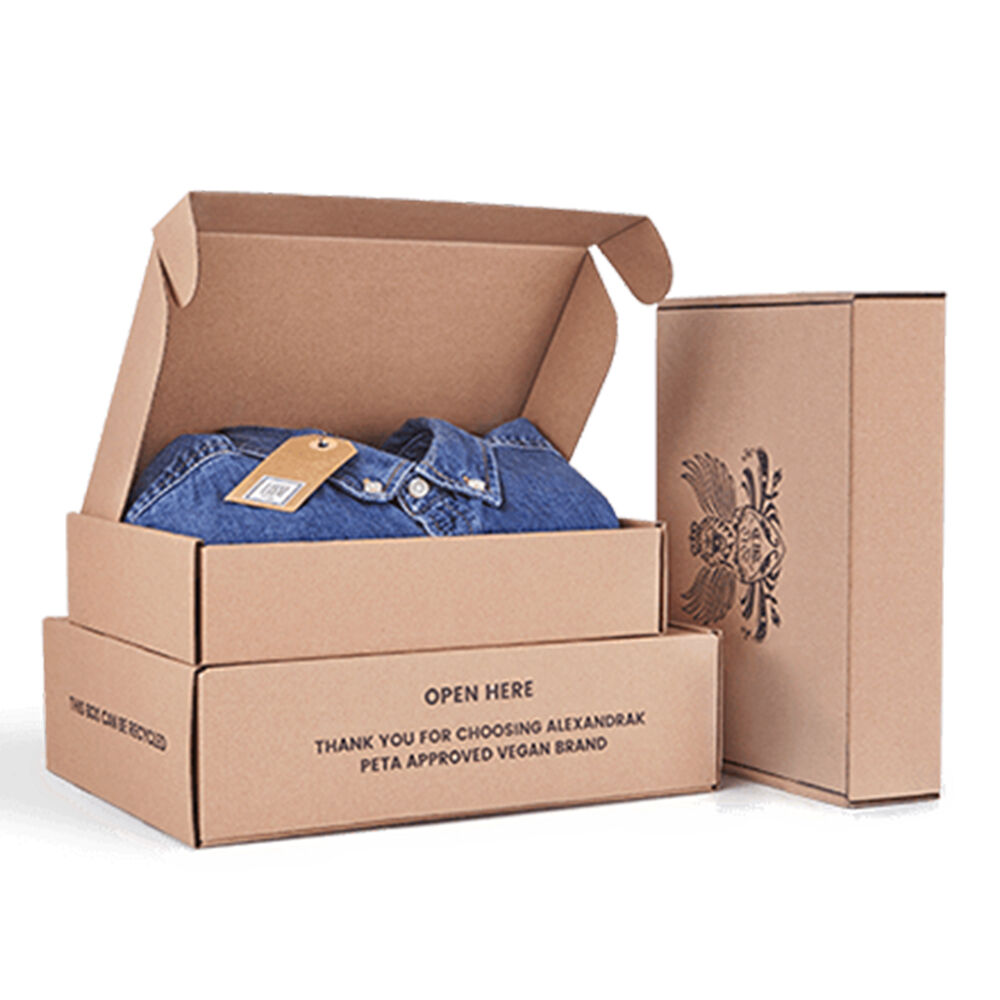
Kraft printing represents a sophisticated manufacturing process that combines traditional paper production methods with modern printing technologies to create durable, eco-friendly printed materials on kraft paper substrates. This specialized printing technique has gained tremendous popularity across multiple industries due to its unique aesthetic appeal and environmental credentials. The main functions of kraft printing encompass producing packaging materials, promotional items, labels, shopping bags, corrugated boxes, and various marketing collateral that require both visual impact and structural integrity. Technologically, kraft printing employs several advanced methods including flexographic printing, offset lithography, digital printing, and screen printing, each offering distinct advantages for different production requirements. The process begins with kraft paper, manufactured through the kraft pulping method which uses chemical solutions to extract lignin from wood chips, resulting in stronger fibers compared to conventional paper production. This foundational strength makes kraft printing ideal for applications demanding durability and longevity. The technological features of kraft printing include excellent ink adhesion properties, superior tensile strength, resistance to tearing and puncturing, and the ability to maintain print quality across various environmental conditions. Modern kraft printing operations integrate computer-aided design systems, precision color matching technology, and automated quality control mechanisms to ensure consistency and accuracy throughout production runs. Applications span numerous sectors including retail packaging, food service industry, e-commerce shipping materials, artisanal product packaging, promotional merchandise, and corporate branding initiatives. The natural brown color of kraft paper provides an authentic, rustic appearance that resonates with contemporary consumer preferences for sustainable and environmentally conscious products. Kraft printing technology accommodates both small batch custom orders and large-scale commercial production, offering flexibility that suits businesses of all sizes. The versatility of kraft printing extends to accepting various finishing options such as embossing, foil stamping, die-cutting, and lamination, enabling brands to create distinctive packaging solutions that stand out in competitive marketplaces while maintaining their commitment to environmental responsibility.

New Product Releases

Choosing kraft printing for your business needs delivers numerous practical benefits that directly impact your bottom line and brand perception. First and foremost, kraft printing offers exceptional cost-effectiveness compared to alternative printing substrates, as kraft paper production requires less processing and bleaching than white paper, translating to lower material costs that benefit your budget without compromising quality. The inherent strength of kraft paper means your printed materials withstand rough handling during shipping and storage, reducing product damage and associated replacement costs. This durability factor proves especially valuable for e-commerce businesses where packages endure multiple touchpoints before reaching customers. Environmental advantages represent another compelling reason to select kraft printing, as the process uses biodegradable and recyclable materials that align with growing consumer demand for sustainable business practices. Your brand immediately communicates environmental consciousness when customers receive products in kraft printed packaging, enhancing corporate reputation and customer loyalty. The natural aesthetic of kraft printing creates an authentic, handcrafted appearance that differentiates your products from competitors using conventional packaging, particularly appealing to demographics valuing organic and artisanal qualities. Kraft printing accepts various ink types including water-based and soy-based options, further reducing environmental impact while maintaining vibrant color reproduction. The printing process accommodates rapid turnaround times, enabling businesses to respond quickly to market demands, seasonal promotions, or limited edition releases without lengthy production delays. Customization capabilities allow you to create unique designs that reflect brand identity, with options for single-color printing that maintains elegance while controlling costs, or full-color printing that delivers maximum visual impact. The versatility of kraft printing extends across product categories, making it suitable for food packaging that meets safety standards, retail bags that enhance shopping experiences, shipping boxes that protect contents, and promotional materials that generate customer engagement. Businesses benefit from the universal appeal of kraft printing across demographic segments, as the material resonates equally with budget-conscious consumers appreciating practical packaging and premium market segments valuing authentic, sustainable materials. The printing surface accepts various finishing techniques, allowing you to add texture, shine, or protective coatings that enhance functionality and appearance. Kraft printing maintains print quality over extended periods, ensuring your branding remains clear and professional throughout the product lifecycle. The material performs well in diverse storage conditions, resisting moisture and temperature fluctuations better than many alternatives, protecting your investment in printed materials and ensuring consistent brand presentation regardless of distribution challenges.

Tips And Tricks

How to Test Shipping Box Pressure Capacity Under Stacking?

06

May

How to Test Shipping Box Pressure Capacity Under Stacking?

Understanding how to test shipping box pressure capacity under stacking is critical for businesses that rely on efficient warehousing and transportation logistics. When corrugated boxes are stacked in warehouses or transport vehicles, they must withs...
View More
What Are the Eco Benefits of Shipping Box in Circular Logic?

06

May

What Are the Eco Benefits of Shipping Box in Circular Logic?

The global shift toward sustainable packaging has placed the humble shipping box at the center of environmental innovation, particularly within circular economy frameworks. As businesses face mounting pressure to reduce their carbon footprint and min...
View More
Why Do Patent Printing Techs Make Brochure Image Details Stunning?

06

May

Why Do Patent Printing Techs Make Brochure Image Details Stunning?

In the competitive landscape of corporate marketing and brand communication, the visual impact of printed brochures can determine whether a prospective client engages with your message or discards it within seconds. Businesses investing in high-quali...
View More
How to Define Brand Tone via Magazine Paper Texture and Binding?

06

May

How to Define Brand Tone via Magazine Paper Texture and Binding?

Brand tone is not merely communicated through words and images—it extends deeply into the tactile and visual qualities of the physical materials you choose for your printed publications. When readers hold a magazine, catalog, or brochure, the magazin...
View More

Get a Free Quote

Our representative will contact you soon.
Email
Name
Company Name
Message
0/1000

kraft printing

Superior Environmental Sustainability and Eco-Friendly Production Methods

Superior Environmental Sustainability and Eco-Friendly Production Methods

The environmental benefits of kraft printing extend far beyond simple recyclability, representing a comprehensive approach to sustainable manufacturing that addresses multiple ecological concerns simultaneously. Kraft printing utilizes paper produced through the kraft pulping process, which recovers and reuses nearly all chemicals involved in production, creating a closed-loop system that minimizes waste and environmental discharge. This chemical recovery system distinguishes kraft production from other paper manufacturing methods, as facilities capture sodium hydroxide and sodium sulfide for repeated use, dramatically reducing the consumption of raw materials and preventing harmful substances from entering waterways. The kraft printing process generates significantly lower carbon emissions compared to producing bleached white paper alternatives, as the manufacturing eliminates energy-intensive bleaching stages that require chlorine compounds and substantial water resources. Businesses adopting kraft printing actively reduce their environmental footprint, a factor increasingly important to consumers who research company sustainability practices before making purchasing decisions. The biodegradability of kraft printed materials means products naturally decompose when disposed of properly, avoiding the persistent environmental problems associated with plastic packaging that remains in landfills for centuries. Forest management practices supporting kraft paper production have evolved substantially, with most manufacturers sourcing wood fibers from certified sustainable forests where harvesting follows strict replanting protocols ensuring long-term forest health. This responsible sourcing creates a renewable cycle where kraft printing actually supports forest conservation rather than contributing to deforestation. The energy efficiency of kraft printing operations continues improving as facilities adopt renewable energy sources including biomass generators that burn organic waste materials from the pulping process, effectively making production facilities partially self-sustaining. Water usage in kraft printing has decreased through technological advances in closed-loop water recycling systems that purify and reuse water multiple times before discharge, addressing concerns about industrial water consumption. The compatibility of kraft printing with eco-friendly inks, particularly water-based and vegetable-based formulations, eliminates volatile organic compounds found in traditional petroleum-based inks, improving air quality in production facilities and reducing harmful emissions. Businesses communicating their use of kraft printing tap into powerful marketing narratives about corporate responsibility, environmental stewardship, and commitment to sustainable practices that resonate across consumer demographics. The lifecycle assessment of kraft printed materials demonstrates superior environmental performance from raw material extraction through end-of-life disposal, providing businesses with credible sustainability claims supported by scientific evaluation. Organizations seeking environmental certifications find kraft printing helps meet requirements for sustainable packaging standards, facilitating access to green business designations that open new market opportunities.
Exceptional Durability and Material Strength for Demanding Applications

Exceptional Durability and Material Strength for Demanding Applications

The mechanical properties of kraft printing materials deliver unmatched strength characteristics that directly translate to superior product protection and extended service life across diverse applications. Kraft paper possesses exceptional tensile strength resulting from longer cellulose fibers preserved during the kraft pulping process, which maintains fiber integrity rather than breaking down structural components as occurs in conventional paper production. This fundamental strength advantage means kraft printed packaging withstands significantly greater stress during handling, stacking, and transportation without tearing, puncturing, or losing structural integrity. Businesses shipping products benefit enormously from this durability, as reduced package failures translate directly to lower replacement costs, fewer customer complaints, and enhanced brand reputation for quality and reliability. The burst strength of kraft printing materials exceeds alternative substrates, providing critical protection for products with sharp edges, irregular shapes, or substantial weight that might compromise weaker packaging materials. This characteristic proves particularly valuable in industries shipping tools, hardware, automotive parts, or dense products where packaging must absorb impacts and resist punctures throughout the distribution chain. Kraft printing maintains performance across temperature variations, neither becoming brittle in cold conditions nor losing strength in heat, ensuring consistent protection regardless of climate zones, seasonal variations, or storage conditions products encounter during distribution. The moisture resistance of kraft printed materials, especially when enhanced with appropriate coatings or treatments, protects contents from humidity and minor water exposure that would compromise many packaging alternatives. This moisture handling capability extends shelf life for packaged goods and maintains print quality even when materials encounter condensation or brief water contact during storage or shipping. The fold endurance of kraft printing substrates allows repeated flexing without cracking or failing, essential for bags, folders, and packaging designs requiring multiple folds or closures that customers open and close repeatedly. Tear resistance represents another critical advantage, as kraft printed materials resist propagation of small tears or cuts, preventing minor damage from expanding into package failure, unlike materials where small punctures rapidly enlarge under stress. The stiffness and rigidity of kraft printing materials provide excellent stacking strength, allowing packaged products to be stacked multiple units high without crushing lower boxes, maximizing warehouse storage efficiency and reducing damaged inventory. This stacking capability becomes economically significant for retailers and distributors managing large inventories where floor space represents substantial operational costs. The surface strength of kraft printed materials prevents fiber picking and dusting, maintaining clean production environments and ensuring printed graphics remain crisp and professional without degradation from surface fiber loss. Businesses benefit from the long-term stability of kraft printed materials, which resist yellowing, brittleness, and deterioration better than many alternatives, ensuring products maintain professional appearance throughout extended storage periods before sale. The puncture resistance of kraft printing protects contents from external protrusions during shipping and warehousing, where stacked products, handling equipment, or securing methods might penetrate weaker packaging materials.
Versatile Branding Opportunities and Distinctive Visual Appeal

Versatile Branding Opportunities and Distinctive Visual Appeal

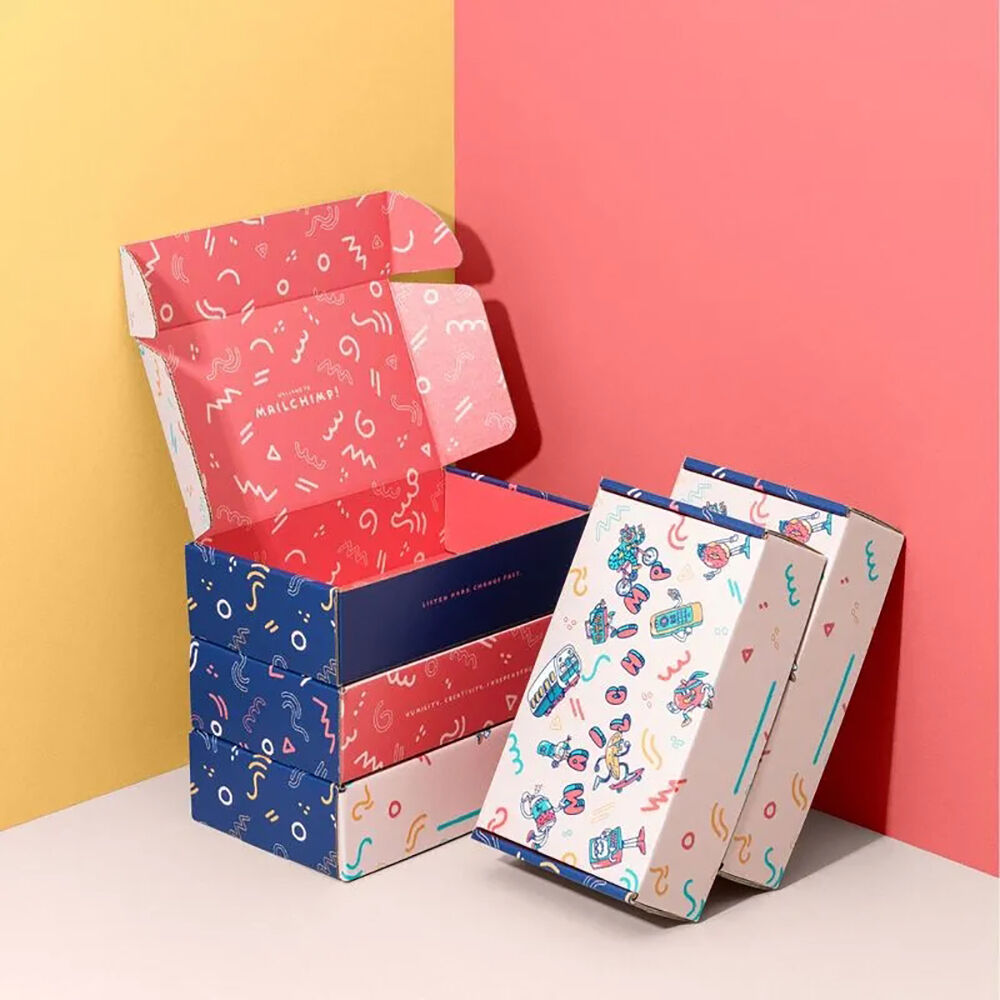
Kraft printing offers remarkable creative flexibility that enables businesses to develop distinctive brand identities through unique visual presentations unavailable with conventional printing substrates. The natural brown color of kraft paper provides an inherently warm, organic foundation that creates immediate visual differentiation on retail shelves dominated by white packaging, helping products capture consumer attention in crowded marketplaces. This authentic appearance communicates values of naturalness, simplicity, and environmental consciousness without requiring explicit messaging, as consumers instinctively associate kraft materials with eco-friendly and artisanal qualities. The contrast between the kraft printing substrate and applied inks creates striking visual effects, particularly when using white, black, or bright colors that pop dramatically against the natural brown background, delivering maximum impact with minimal ink coverage. This contrast efficiency reduces printing costs while achieving bold graphics that command attention and communicate brand messages effectively. Kraft printing accommodates diverse design aesthetics from rustic and handcrafted looks that appeal to artisanal markets, to sleek modern designs using geometric patterns and contemporary typography that attract style-conscious demographics. The texture of kraft printed materials adds tactile dimension to customer experiences, as the slightly rougher surface compared to coated papers creates sensory engagement that enhances brand memorability and perceived product value. Businesses can leverage kraft printing for premium positioning despite the economical substrate cost, as thoughtful design execution on kraft materials conveys authenticity and quality that justifies higher price points. The printing surface accepts various graphic techniques including minimalist single-color prints that exude elegance and sophistication, full-color process printing that reproduces photographs and complex graphics, and spot color applications that ensure perfect brand color matching. Kraft printing enables creative finishing options that enhance visual appeal and functionality, including embossing that adds dimensional elements drawing fingers and eyes to key design features, foil stamping that introduces metallic accents suggesting luxury and premium quality, and die-cutting that creates unique shapes distinguishing products from standard rectangular packaging. The material works beautifully with window cutouts that reveal products while maintaining structural integrity, combining visual appeal with practical consumer desire to inspect purchases before buying. Kraft printing supports variable data printing for personalized packaging that addresses customers by name or includes customized messages, creating emotional connections that drive brand loyalty and social media sharing. The substrate accepts diverse printing methods including digital printing for short runs and rapid prototyping, flexographic printing for long production runs with consistent quality, and screen printing for specialty applications requiring heavy ink deposits or unique effects. Businesses benefit from kraft printing versatility across product lines, using consistent substrate while varying graphics to maintain brand cohesion across different products, creating family resemblance that reinforces brand recognition. The material photography beautifully, ensuring kraft printed packaging appears attractive in e-commerce product images, social media posts, and unboxing videos that influence purchasing decisions in digital marketplaces. Design possibilities include retro aesthetics that evoke nostalgia and heritage brand positioning, contemporary minimalism that appeals to modern sensibilities, and intricate illustrations that showcase craftsmanship and attention to detail.

Get a Free Quote

Our representative will contact you soon.
Email
Name
Company Name
Message
0/1000