
 EN
EN




In the competitive world of printed stationery and educational publishing, hardcover craft has emerged as one of the most reliable differentiators that professional notebook firms use to elevate perceived value, extend product lifespan, and command stronger margins. The decision to invest in premium binding and cover construction is not merely aesthetic — it reflects a deliberate business strategy rooted in quality signaling, durability engineering, and market positioning. For firms that produce notebooks, journals, children's story books, and educational materials at scale, mastering hardcover craft is increasingly the line between a commodity product and a premium offering that buyers return to repeatedly.
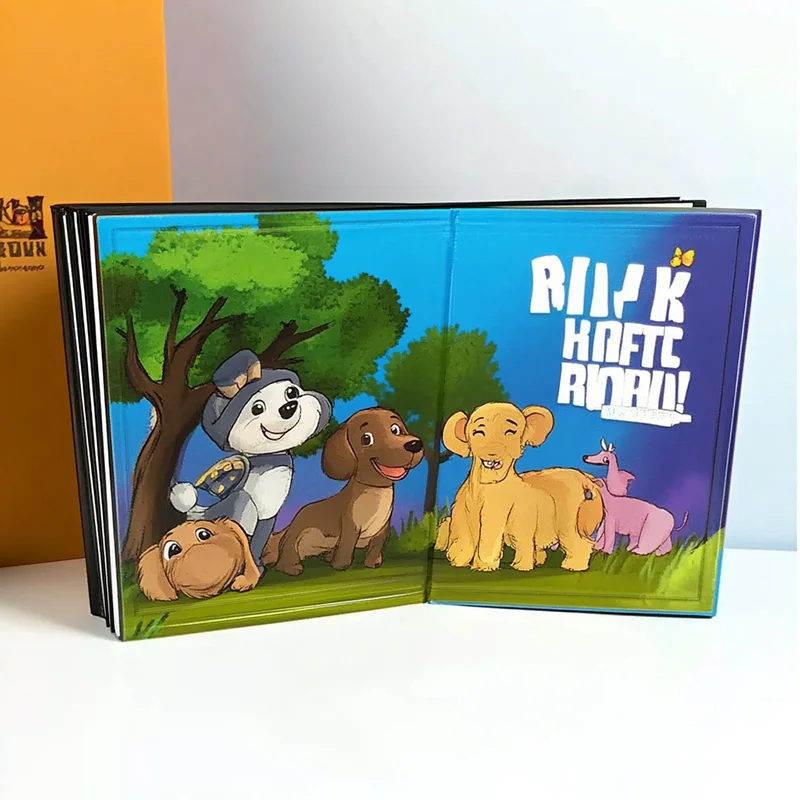
Understanding how professional notebook firms actually leverage hardcover craft to boost value requires looking beyond surface-level design choices. It means examining the materials selected, the production techniques applied, the structural decisions made during binding, and how all of these elements translate into tangible commercial advantages. This article explores the mechanisms through which hardcover craft creates measurable value — for manufacturers, for brand owners, and ultimately for the end users who interact with these products every day. Whether you are sourcing notebooks for retail, educational institutions, or corporate gifting, the principles of hardcover craft directly shape what you receive and what you can charge.
The Structural Foundation of Hardcover Craft in Notebook Manufacturing
Why Cover Board Selection Defines the Product
At the heart of any serious hardcover craft operation is the selection of cover board material. Professional notebook firms typically work with duplex cardboard, greyboard, or laminated chipboard, each offering a different balance of rigidity, weight, and printability. Duplex cardboard, for instance, is widely used in children's story books and educational notebooks because it provides a firm, protective shell while remaining light enough for young readers to handle comfortably. The choice of board thickness — measured in grams per square meter or millimeters — directly affects how the finished product feels in the hand and how well it survives repeated use.
Professional firms do not treat board selection as a cost-cutting exercise. Instead, they treat it as a value-engineering decision. A slightly heavier board may add marginal material cost but dramatically improves the tactile impression a buyer forms when first picking up the notebook. This first-touch experience is a critical moment in retail and B2B purchasing decisions, and experienced manufacturers understand that hardcover craft begins with getting the substrate right before any printing or finishing takes place.
The interaction between board type and printing technique also matters significantly. Offset printing on duplex cardboard, for example, produces sharper color reproduction and more consistent ink laydown than digital printing on lower-grade materials. When professional firms combine quality board with the right printing method, the result is a cover that looks premium, resists scuffing, and holds its color over time — all of which contribute to the perceived and actual value of the finished notebook.
Binding Methods That Reinforce Structural Integrity
The binding method chosen by a professional notebook firm is inseparable from the quality of its hardcover craft. Case binding, also known as edition binding, is the gold standard for hardcover notebooks and books. In this process, the interior pages are sewn or glued into a text block, which is then attached to the hardcover case using endpapers and a spine lining. This creates a book that can be opened flat without cracking the spine, withstands thousands of open-and-close cycles, and maintains its structural integrity across years of use.
Smyth sewing, a specific form of case binding, is particularly valued in professional notebook production because it allows the book to lie completely flat when open. This is especially important for notebooks used in writing-intensive applications, where a book that springs shut or resists lying flat becomes a practical frustration. Professional firms that invest in Smyth-sewn hardcover craft are delivering a functional benefit that users notice immediately and appreciate over the long term.
Perfect binding with a hardcover case is another approach used for thinner notebooks and journals. While it does not offer the same longevity as sewn binding, it is more cost-effective for shorter print runs and still delivers the premium appearance associated with hardcover craft. The key is that professional firms match the binding method to the intended use case, ensuring that the structural choices align with the product's purpose and the buyer's expectations.
How Printing Techniques Amplify the Value of Hardcover Craft
Offset Printing as the Industry Benchmark
Offset printing remains the dominant technique for high-volume hardcover craft production because it delivers consistent color accuracy, fine detail reproduction, and cost efficiency at scale. In offset printing, ink is transferred from a plate to a rubber blanket and then onto the substrate, allowing for precise control over ink density and color matching. For professional notebook firms producing branded journals, educational books, or children's story books, this consistency is non-negotiable — every unit in a print run must look identical to maintain brand integrity.
The combination of offset printing with high-quality duplex cardboard covers is a hallmark of professional hardcover craft. The smooth, coated surface of duplex board accepts offset inks cleanly, resulting in vivid imagery and sharp typography that elevate the product's visual appeal. For children's story books in particular, where full-color illustrations are central to the product's value, offset printing on a well-prepared hardcover surface makes a significant difference in how the finished book is perceived by parents, educators, and young readers alike.
Professional firms also use offset printing to achieve consistent results across large orders, which is critical for clients who need hundreds or thousands of identical units. The setup costs for offset printing are higher than digital methods, but the per-unit cost drops substantially at volume, making it the economically rational choice for serious hardcover craft production. This cost structure rewards firms and buyers who commit to meaningful order quantities, reinforcing the professional, large-scale nature of the market.
Digital Printing's Role in Flexible Hardcover Production
While offset printing dominates volume production, digital printing has carved out an important role in hardcover craft for shorter runs, personalized editions, and rapid prototyping. Digital printing eliminates the need for printing plates, reducing setup time and cost for small batches. This makes it viable for custom notebooks, limited-edition journals, and educational materials that need to be produced quickly or in small quantities without sacrificing the premium appearance of a hardcover format.
Professional notebook firms that offer both offset and digital printing capabilities can serve a wider range of clients and order sizes. A corporate client ordering 500 personalized hardcover notebooks for an event can be served efficiently through digital printing, while a publisher ordering 10,000 children's story books benefits from the consistency and economy of offset. The ability to apply hardcover craft across both production methods is a mark of a sophisticated manufacturer with genuine technical depth.
The integration of digital and offset techniques within a single production workflow also enables hybrid approaches, where covers are printed digitally for customization while interiors are produced via offset for cost efficiency. This kind of production flexibility is increasingly valued by B2B buyers who need to balance customization requirements with budget constraints, and it demonstrates how hardcover craft is not a fixed formula but an adaptable set of skills and capabilities.
Finishing Processes That Elevate Hardcover Craft to Premium Status
Lamination, Embossing, and Surface Treatments
The finishing stage is where hardcover craft transitions from functional to genuinely premium. Lamination — applying a thin film of plastic to the cover surface — protects the printed design from moisture, abrasion, and UV fading while adding a tactile quality that buyers associate with quality. Matte lamination creates a soft, sophisticated feel that is popular for professional journals and corporate notebooks, while gloss lamination enhances color vibrancy and is often preferred for children's books and retail-facing products.
Embossing and debossing add a three-dimensional quality to hardcover surfaces that cannot be replicated by printing alone. A debossed logo or title on a notebook cover communicates craftsmanship and attention to detail in a way that immediately elevates the product's perceived value. Professional firms that offer these finishing options are providing clients with tools to differentiate their products in crowded markets, and the investment in embossing dies and equipment reflects a serious commitment to hardcover craft as a value-creation discipline.
Foil stamping is another finishing technique widely used in premium hardcover craft. Metallic or holographic foil applied to cover text or design elements creates a visual impact that signals luxury and exclusivity. For gift notebooks, limited editions, and high-end educational materials, foil stamping is often the detail that justifies a higher retail price and makes the product memorable. Professional firms that master foil application alongside their core printing and binding capabilities can offer clients a genuinely comprehensive premium product.
Spine and Corner Reinforcement for Long-Term Durability
Durability is a core promise of hardcover craft, and professional firms reinforce this promise through careful attention to spine construction and corner protection. The spine of a hardcover notebook must flex repeatedly without cracking or delaminating, which requires the right combination of spine lining material, adhesive selection, and cover board flexibility. Firms that cut corners on spine construction produce books that look premium initially but fail quickly under regular use — a reputational risk that serious manufacturers actively avoid.
Corner rounding is a finishing detail that serves both aesthetic and functional purposes. Rounded corners resist the dog-earing and fraying that sharp corners are prone to, extending the notebook's presentable lifespan. For children's story books and educational materials, rounded corners also reduce the risk of minor injuries from sharp edges, making them a practical safety consideration as well as a quality signal. Professional firms that include corner rounding as a standard part of their hardcover craft process are demonstrating a holistic approach to product quality.
Ribbon bookmarks, elastic closures, and expandable inner pockets are additional elements that professional notebook firms incorporate to enhance the functional value of their hardcover products. Each of these details adds cost, but each also adds perceived and actual value that buyers are willing to pay for. The cumulative effect of these finishing choices is a product that feels considered, complete, and worth the premium it commands — which is precisely the commercial outcome that skilled hardcover craft is designed to achieve.
Commercial and Market Value Generated by Hardcover Craft Expertise
Pricing Power and Margin Improvement
One of the most direct commercial benefits of investing in hardcover craft is the pricing power it creates. Hardcover notebooks and books consistently command higher retail and wholesale prices than their softcover equivalents, and buyers across retail, education, and corporate markets have demonstrated consistent willingness to pay this premium. For professional notebook firms, this means that the investment in better materials, more sophisticated binding, and premium finishing translates directly into improved gross margins — not just higher revenues.
The margin improvement from hardcover craft is not simply a function of charging more for the same product. It reflects the genuine value that skilled production delivers: longer product lifespan, better user experience, stronger brand association, and reduced return rates due to quality failures. Buyers who receive a well-crafted hardcover notebook are less likely to return it, more likely to reorder, and more likely to recommend the supplier to others. These downstream commercial effects compound the direct margin benefit of premium pricing.
Professional firms that have built genuine expertise in hardcover craft also benefit from reduced price sensitivity among their clients. When a buyer has experienced the quality difference between a professionally crafted hardcover product and a cheaper alternative, they become less focused on unit price and more focused on total value. This shift in buyer psychology is one of the most valuable commercial outcomes of consistent investment in hardcover craft quality.
Brand Differentiation and Client Retention
In a market where many notebook manufacturers offer similar specifications on paper, hardcover craft expertise becomes a genuine differentiator that is difficult for competitors to replicate quickly. Building the skills, equipment, and quality systems required for consistent premium hardcover production takes years of investment and refinement. Firms that have made this investment possess a competitive moat that protects their client relationships and market position.
Client retention is directly linked to the consistency and quality of hardcover craft delivery. B2B buyers — whether they are publishers, educational institutions, or corporate procurement teams — value suppliers who deliver the same quality reliably across every order. A professional firm that can produce a hardcover craft product to the same standard on the tenth order as on the first has built something genuinely valuable: a reputation for reliability that clients are reluctant to risk by switching suppliers.
The ability to offer customization within a premium hardcover craft framework further strengthens client relationships. When a firm can take a client's brand identity, color palette, and content requirements and translate them into a beautifully crafted hardcover notebook or book, it becomes a strategic partner rather than a commodity supplier. This partnership dynamic is the ultimate commercial expression of hardcover craft expertise, and it is what separates the most successful professional notebook firms from the rest of the market.
FAQ
What makes hardcover craft more valuable than softcover production for notebook firms?
Hardcover craft delivers superior durability, stronger perceived value, and higher pricing power compared to softcover production. The combination of rigid cover boards, professional binding methods, and premium finishing creates a product that lasts longer, looks more impressive, and commands better margins. For professional notebook firms, this translates into stronger client relationships, reduced return rates, and a defensible market position that is difficult for lower-quality competitors to undercut.
Which printing technique is best suited for hardcover notebook production?
Offset printing is the industry benchmark for high-volume hardcover craft production because it delivers consistent color accuracy and cost efficiency at scale. Digital printing is better suited for shorter runs, personalized editions, and rapid prototyping. Professional firms often use both techniques depending on order size and customization requirements, applying each method where it delivers the best combination of quality and economy.
How does duplex cardboard contribute to hardcover craft quality?
Duplex cardboard is a preferred cover board material in professional hardcover craft because it offers a strong balance of rigidity, printability, and weight. Its smooth surface accepts offset and digital inks cleanly, producing sharp imagery and consistent color. It is also durable enough to protect interior pages across extended use, making it particularly well-suited for children's story books, educational notebooks, and journals that need to withstand regular handling.
Can small or mid-sized notebook firms realistically invest in hardcover craft capabilities?
Yes, but the approach matters. Smaller firms can access hardcover craft quality by partnering with specialized manufacturers that already have the equipment, skills, and quality systems in place, rather than building all capabilities in-house. This allows smaller operations to offer premium hardcover products to their clients without the capital investment required for full in-house production. As order volumes grow, firms can progressively internalize more of the production process while maintaining the quality standards that hardcover craft demands.
Table of Contents
- The Structural Foundation of Hardcover Craft in Notebook Manufacturing
- How Printing Techniques Amplify the Value of Hardcover Craft
- Finishing Processes That Elevate Hardcover Craft to Premium Status
- Commercial and Market Value Generated by Hardcover Craft Expertise
-
FAQ
- What makes hardcover craft more valuable than softcover production for notebook firms?
- Which printing technique is best suited for hardcover notebook production?
- How does duplex cardboard contribute to hardcover craft quality?
- Can small or mid-sized notebook firms realistically invest in hardcover craft capabilities?