Premium Reusable Paper Bags - Eco-Friendly Sustainable Shopping Solutions

Get a Free Quote

Our representative will contact you soon.
Email
Name
Company Name
Message
0/1000

reusable paper bags

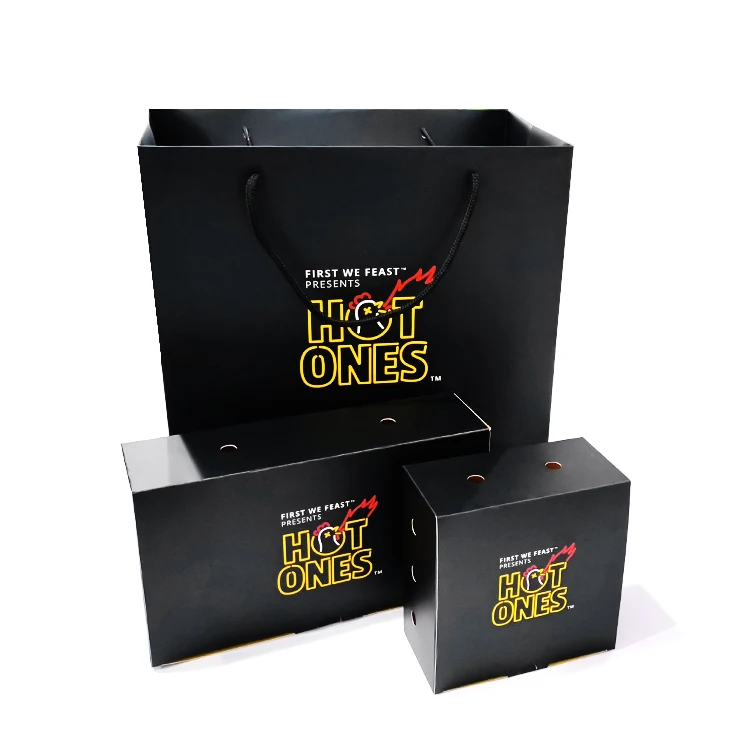
Reusable paper bags represent an innovative evolution in sustainable packaging solutions, combining environmental responsibility with practical functionality for modern consumers and businesses. These bags are engineered from high-quality kraft paper materials that undergo specialized treatment processes to enhance durability and longevity, allowing them to withstand multiple uses unlike conventional single-use paper bags. The primary function of reusable paper bags centers on providing a reliable carrying solution for groceries, retail purchases, and various personal items while significantly reducing waste generation. Technologically, these bags feature reinforced construction techniques including multi-layer paper lamination, strengthened handles with riveted or glued attachment points, and water-resistant coatings that protect contents from moisture exposure. The manufacturing process incorporates recycled paper fibers combined with virgin pulp to create a balance between strength and sustainability, resulting in bags that maintain structural integrity through repeated use cycles. Applications for reusable paper bags span across retail environments, grocery stores, boutique shops, farmers markets, promotional events, and personal everyday carrying needs. Many designs incorporate flat-bottom construction for enhanced stability when loaded, while side gussets expand to accommodate varying item sizes and shapes. The paper composition allows for excellent printability, making these bags ideal for brand customization through logos, messaging, and decorative designs that serve marketing purposes. Environmental benefits form a core aspect of their design philosophy, as reusable paper bags decompose naturally when eventually discarded, unlike plastic alternatives that persist in ecosystems for centuries. The renewable nature of paper sourced from managed forests ensures a lower carbon footprint throughout the product lifecycle. Consumers appreciate the aesthetic appeal of paper bags, which convey a natural, eco-conscious image aligned with contemporary sustainability values. Businesses benefit from compliance with plastic bag bans and environmental regulations increasingly implemented across municipalities worldwide, positioning reusable paper bags as both a practical necessity and strategic choice for forward-thinking organizations committed to reducing environmental impact while maintaining functional packaging standards.

New Products

The advantages of reusable paper bags extend far beyond simple carrying functionality, offering tangible benefits that impact both users and the broader environment in meaningful ways. First and foremost, these bags deliver exceptional environmental benefits by drastically reducing the accumulation of single-use packaging waste in landfills and natural ecosystems. Each reusable paper bag replaces dozens or even hundreds of disposable bags throughout its lifespan, creating a multiplier effect that significantly decreases resource consumption and waste generation. The biodegradable nature of paper means that when a bag finally reaches the end of its useful life, it breaks down naturally within months rather than lingering for decades like plastic alternatives, returning organic materials to the soil without releasing harmful microplastics or toxic chemicals. From an economic perspective, consumers save money over time by investing in durable bags that eliminate the need for repeatedly purchasing disposable options or paying bag fees now common at many retail locations. Businesses discover cost efficiencies through bulk purchasing of quality bags that serve dual purposes as functional packaging and mobile advertising platforms, with branded designs turning every customer into a walking billboard for their establishment. The strength characteristics of reusable paper bags prove superior to standard paper bags, with reinforced handles and multi-ply construction supporting heavier loads without tearing or handle separation, providing users with confidence that their purchases will arrive home safely. This reliability eliminates the frustrating experience of bag failures that damage products and create inconvenience. Health-conscious consumers appreciate that paper bags do not leach chemicals into food items, unlike some plastic bags that may contain additives with potential health concerns. The breathable nature of paper also prevents moisture accumulation that can spoil fresh produce, extending the freshness of fruits and vegetables during transport. Aesthetic advantages position reusable paper bags as stylish accessories that complement eco-friendly lifestyles, with their natural appearance and customizable designs appealing to consumers who want their choices to reflect personal values. Businesses enhance brand perception by offering attractive, high-quality bags that customers willingly reuse, creating repeated brand exposure in diverse settings from offices to gyms to social gatherings. The versatility of these bags accommodates various uses beyond shopping, including gift packaging, storage organization, craft projects, and lunch carrying, maximizing value through multi-purpose functionality. Compliance advantages help retailers meet increasingly stringent environmental regulations and avoid penalties associated with single-use plastic distribution, while simultaneously appealing to the growing demographic of environmentally conscious consumers who actively seek out businesses demonstrating sustainability commitment. The ease of recycling worn-out paper bags through existing municipal programs adds convenience, as users simply place them in paper recycling bins rather than requiring specialized disposal methods.

Practical Tips

How to Maintain Stored Shipping Box to Prevent Weakening?

06

May

How to Maintain Stored Shipping Box to Prevent Weakening?

Maintaining stored shipping boxes in optimal condition is critical for businesses that rely on packaging inventory to fulfill orders efficiently and protect products during transit. When shipping boxes are stored improperly or for extended periods, t...
View More
How to Measure the Flexible Production of Shipping Box Firms?

06

May

How to Measure the Flexible Production of Shipping Box Firms?

In the modern packaging industry, evaluating the flexible production of shipping box firms has become a critical factor for businesses seeking reliable manufacturing partners. As customer demands shift toward customization, faster turnaround times, a...
View More
How to Define Brand Tone via Magazine Paper Texture and Binding?

06

May

How to Define Brand Tone via Magazine Paper Texture and Binding?

Brand tone is not merely communicated through words and images—it extends deeply into the tactile and visual qualities of the physical materials you choose for your printed publications. When readers hold a magazine, catalog, or brochure, the magazin...
View More
What Are the Innovative Trends for Brochure and Digital Content?

06

May

What Are the Innovative Trends for Brochure and Digital Content?

The landscape of marketing communication has undergone a dramatic transformation as businesses navigate the intersection of traditional print materials and digital platforms. Understanding the innovative trends shaping brochure and digital content is...
View More

Get a Free Quote

Our representative will contact you soon.
Email
Name
Company Name
Message
0/1000

reusable paper bags

Superior Durability Through Advanced Construction Technology

Superior Durability Through Advanced Construction Technology

The exceptional durability of reusable paper bags stems from sophisticated manufacturing processes that transform ordinary paper into remarkably resilient carrying solutions capable of withstanding the demands of repeated use. Unlike conventional paper bags constructed from single-layer material prone to tearing and moisture damage, reusable paper bags incorporate multi-layer lamination techniques that bond several paper plies together, creating a composite structure with significantly enhanced tensile strength and tear resistance. This engineering approach distributes stress forces across multiple layers, preventing the catastrophic failure points that plague standard bags when subjected to weight or sharp objects. The handle attachment represents a critical structural element where manufacturers employ reinforced connection methods including heat-sealed patches, metal rivets, or high-strength adhesive bonds that secure twisted paper handles or fabric alternatives to the bag body. These connection points undergo rigorous testing to ensure they support weight capacities often exceeding twenty pounds, accommodating everything from heavy grocery loads to books and hardware items without separation or discomfort during carrying. Water resistance treatment adds another dimension to durability, with specialized coatings or wax impregnation protecting the paper fibers from moisture absorption that would otherwise weaken structural integrity. This treatment allows reusable paper bags to perform reliably in light rain conditions or when carrying items with condensation, maintaining form and function where untreated paper would rapidly deteriorate. The base construction typically features flat-bottom designs with corner reinforcements that distribute weight evenly and prevent bulging or splitting when loaded with multiple items. Side gussets incorporate fold lines engineered for expansion flexibility, allowing the bag to accommodate varying contents while returning to its original shape when empty, contributing to longevity through dimensional stability. Material selection proves crucial to durability outcomes, with manufacturers utilizing kraft paper derived from long-fiber pulp sources that provide inherent strength properties superior to short-fiber alternatives. The brown coloration common in many reusable paper bags actually indicates less chemical processing compared to bleached white paper, resulting in fibers that retain more of their natural strength characteristics. Quality control measures during production ensure consistent paper weight, typically ranging from 100 to 150 grams per square meter, striking an optimal balance between adequate strength and reasonable bag weight. Some premium designs incorporate internal support structures or cardboard bottom inserts that further enhance load-bearing capacity and prevent sagging. The cumulative effect of these construction technologies enables reusable paper bags to complete dozens of shopping trips, transforming what was once considered a disposable item into a genuinely reusable product that delivers measurable environmental and economic returns through extended service life.
Comprehensive Environmental Benefits For Sustainable Living

Comprehensive Environmental Benefits For Sustainable Living

Reusable paper bags deliver profound environmental advantages that address multiple ecological challenges simultaneously, positioning them as cornerstone products for individuals and organizations committed to reducing their environmental footprint. The renewable resource foundation distinguishes paper bags fundamentally from petroleum-based plastic alternatives, as paper originates from trees cultivated in managed forests where responsible forestry practices ensure continuous regeneration through replanting programs that maintain forest coverage for future generations. This renewable cycle means the raw material base replenishes naturally, contrasting sharply with finite fossil fuel resources required for plastic production. Carbon sequestration during tree growth captures atmospheric carbon dioxide and stores it within the paper fibers, creating products that essentially lock away greenhouse gases throughout their useful life, contributing to climate change mitigation efforts. When reusable paper bags eventually reach end-of-life, their biodegradable composition enables natural decomposition facilitated by microorganisms that break down cellulose fibers into organic matter, typically completing this process within several months in appropriate conditions. This biological integration contrasts dramatically with plastic bags requiring centuries to fragment into persistent microplastics that contaminate soil and water systems while entering food chains with unknown long-term consequences. The ability to compost paper bags transforms waste into valuable soil amendment, closing the nutrient loop and supporting agricultural or gardening applications. Recycling infrastructure widely accommodates paper products, with established collection and processing systems diverting used bags from landfills and reincorporating the fibers into new paper products, extending material utility through multiple lifecycle iterations. Manufacturing energy requirements for paper production, particularly when utilizing recycled content, prove competitive with or favorable compared to plastic production, especially considering advancements in mill efficiency and renewable energy adoption within the paper industry. Water usage during papermaking, while significant, occurs in closed-loop systems at modern facilities where treatment and recycling minimize freshwater withdrawal and prevent pollution discharge. The absence of toxic additives in quality reusable paper bags eliminates concerns about chemical leaching into ecosystems, protecting wildlife and water quality from contamination risks associated with plastic stabilizers and colorants. Marine ecosystem protection represents a particularly compelling benefit, as paper bags that escape proper disposal rapidly break down in aquatic environments rather than accumulating in ocean gyres or endangering marine life through ingestion and entanglement. The visual pollution reduction achieved through paper adoption improves community aesthetics, as degrading paper disappears from landscapes far more quickly than plastic litter that mars natural beauty for years. Local wildlife benefits from reduced synthetic material presence in habitats, avoiding nest contamination and feeding disruption caused by persistent plastic debris. Consumer adoption of reusable paper bags creates ripple effects through behavioral change, fostering environmental awareness and encouraging additional sustainable choices across purchasing decisions and lifestyle habits.
Versatile Branding Opportunities And Marketing Effectiveness

Versatile Branding Opportunities And Marketing Effectiveness

Reusable paper bags function as powerful marketing instruments that extend brand visibility far beyond the initial point of purchase, offering businesses exceptional promotional value through mobile advertising that reaches diverse audiences in varied settings. The natural printability of paper surfaces accommodates virtually unlimited design possibilities, from simple one-color logos to full-color photographic imagery, gradient effects, and intricate patterns that capture attention and communicate brand identity with visual impact. Advanced printing technologies including flexography, offset lithography, and digital printing enable reproduction of precise brand colors and fine details, ensuring consistent representation of corporate visual standards across all bag quantities. The substantial surface area provided by bag panels creates canvas space for comprehensive messaging that extends beyond basic logo placement to include taglines, product information, social media handles, sustainability statements, and promotional offers that engage customers and drive specific actions. Unlike disposable bags quickly discarded and forgotten, the reusable nature ensures extended brand exposure as customers carry bags repeatedly through offices, public transportation, shopping districts, recreational facilities, and social gatherings, generating thousands of impressions throughout the bag's lifespan. This repeated visibility occurs in premium environments where the bag accompanies the customer rather than remaining hidden in storage, placing brand messaging at eye level for observers in diverse demographic segments. The positive brand associations created through provision of quality, environmentally responsible bags enhance corporate reputation and strengthen customer relationships, as consumers appreciate businesses that align with sustainability values and provide functional items rather than wasteful packaging. Market research consistently demonstrates that branded reusable bags generate favorable brand perception and increase customer loyalty, with recipients viewing companies more positively when receiving useful, eco-friendly items. The walking billboard effect proves particularly valuable for local businesses targeting community visibility, as bags circulating throughout neighborhoods create geographic brand penetration and recognition that supports customer acquisition and retention objectives. Event marketing applications leverage branded paper bags as attractive giveaway items that attendees willingly accept and use, spreading event awareness and sponsor visibility throughout extended networks of friends, family, and colleagues who observe the bags in use. The premium feel of quality paper bags elevates perceived value compared to cheap plastic alternatives, positioning brands as quality-focused and customer-oriented organizations worthy of trust and preference. Customization flexibility accommodates seasonal campaigns, special promotions, limited editions, and collaborative designs that create collectibility and excitement around bag acquisition, transforming functional packaging into desirable items customers actively seek. Retail environments benefit from cohesive brand experiences when packaging aesthetics align with store design and product positioning, reinforcing brand identity through every customer touchpoint. The tactile qualities of paper create sensory engagement that enhances memorability, with the texture, weight, and sound of paper bags contributing to distinctive brand experiences that differentiate businesses in competitive markets. Cost-effectiveness emerges through the dual functionality of providing necessary packaging while simultaneously delivering sustained advertising value, essentially making marketing investment work continuously rather than existing as momentary exposure like traditional advertising channels. Small businesses particularly benefit from accessible entry points, as minimum order quantities and production costs for custom printed paper bags remain manageable compared to other promotional product categories, democratizing professional branding opportunities across business sizes and budgets.


Get a Free Quote

Our representative will contact you soon.
Email
Name
Company Name
Message
0/1000