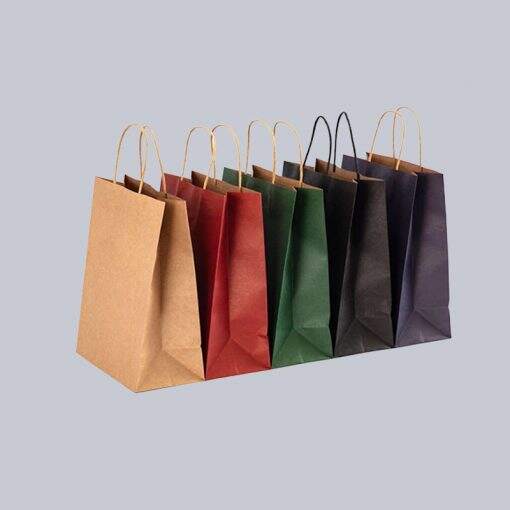
Premium Recycled Paper Bags - Sustainable Packaging Solutions for Eco-Conscious Businesses

Get a Free Quote

Our representative will contact you soon.
Email
Name
Company Name
Message
0/1000

recycled paper bags

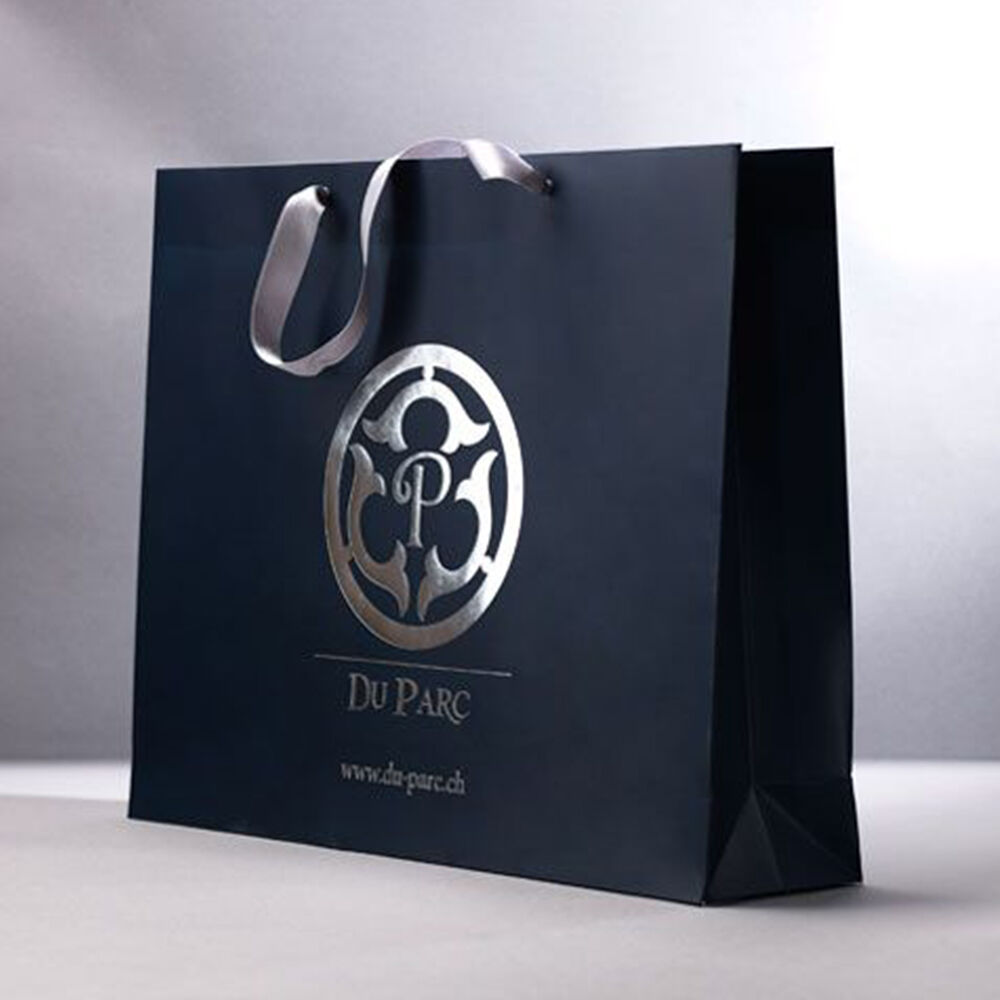
Recycled paper bags represent an innovative and environmentally responsible packaging solution that combines sustainability with functionality. These bags are manufactured from post-consumer waste paper and cardboard materials that have been collected, sorted, and processed through advanced recycling technologies. The main function of recycled paper bags is to provide reliable carrying and storage solutions for retail businesses, grocery stores, boutiques, and various commercial establishments while significantly reducing environmental impact. These bags offer excellent load-bearing capacity and durability, making them suitable for transporting goods ranging from lightweight items to moderately heavy products. The technological features of recycled paper bags include reinforced handles that distribute weight evenly, multi-layered construction for enhanced strength, and customizable printing surfaces that allow businesses to showcase their branding effectively. The manufacturing process involves pulping recycled paper materials, removing contaminants, bleaching or leaving natural kraft color, forming sheets, and finally converting them into bags through specialized machinery. Modern production techniques ensure that recycled paper bags maintain consistent quality standards while utilizing significantly less energy and water compared to virgin paper production. Applications for recycled paper bags span numerous industries including fashion retail, food service, pharmacy, bookstores, gift shops, and farmers markets. They serve as shopping bags, gift bags, takeout packaging, and promotional merchandise carriers. The versatility of recycled paper bags makes them an ideal choice for businesses committed to sustainable practices without compromising on functionality or aesthetic appeal. These bags can be produced in various sizes, from small jewelry pouches to large grocery bags, and can feature different handle options including twisted paper handles, flat handles, or die-cut handles. The surface of recycled paper bags provides an excellent canvas for custom printing, embossing, or stamping, allowing brands to create memorable unboxing experiences for their customers while demonstrating their commitment to environmental stewardship.


New Product Releases

Choosing recycled paper bags delivers substantial benefits that extend beyond basic packaging needs, offering practical advantages for both businesses and consumers. First and foremost, these bags demonstrate a genuine commitment to environmental protection by reducing landfill waste and conserving natural resources. Every recycled paper bag prevents additional trees from being harvested, helping preserve forests and the ecosystems they support. The production process for recycled paper bags consumes approximately sixty percent less energy compared to manufacturing bags from virgin materials, resulting in a smaller carbon footprint and reduced greenhouse gas emissions. This energy efficiency translates into real environmental benefits that customers increasingly value when making purchasing decisions. From a business perspective, recycled paper bags enhance brand reputation by aligning companies with sustainable values that resonate with environmentally conscious consumers. Studies show that customers are more likely to support businesses that demonstrate environmental responsibility through tangible actions like using recycled packaging materials. The cost-effectiveness of recycled paper bags has improved significantly as recycling infrastructure has expanded, making them a financially viable option for businesses of all sizes. These bags offer excellent printability, allowing companies to create eye-catching designs that turn every bag into a mobile advertisement for their brand. Unlike plastic bags that often end up as litter, recycled paper bags naturally biodegrade when exposed to environmental conditions, breaking down into harmless organic matter within weeks or months. This biodegradability means that even if improperly disposed of, recycled paper bags will not persist in the environment for decades like synthetic alternatives. The tactile quality of paper provides a premium feel that enhances the perceived value of products, making them particularly suitable for upscale retail establishments and specialty stores. Recycled paper bags are also reusable, encouraging customers to repurpose them for storage, crafts, or future shopping trips, extending their useful life and maximizing resource efficiency. The strength and durability of modern recycled paper bags rival traditional packaging options, with reinforced bottoms and handles capable of supporting substantial weight without tearing or breaking. Many regions have implemented regulations restricting single-use plastic bags, making recycled paper bags a compliant alternative that helps businesses avoid penalties while meeting legal requirements. The customization options available for recycled paper bags enable businesses to create packaging that reflects their unique brand identity, from minimalist designs to colorful graphics that capture attention. Consumer acceptance of recycled paper bags is high, with many shoppers preferring them over plastic alternatives due to their environmental benefits and aesthetic appeal. These bags also support circular economy principles by keeping materials in use for longer periods and reducing the demand for virgin resources, creating a more sustainable economic model that benefits society as a whole.

Tips And Tricks

How to Embed AR Tech into Calendar for Better Brand Interaction?

06

May

How to Embed AR Tech into Calendar for Better Brand Interaction?

Augmented reality is transforming how brands connect with their audiences, moving beyond passive visual experiences to create immersive touchpoints that drive engagement and recall. For businesses seeking innovative ways to maintain year-round brand ...
View More
How to Maintain Stored Shipping Box to Prevent Weakening?

06

May

How to Maintain Stored Shipping Box to Prevent Weakening?

Maintaining stored shipping boxes in optimal condition is critical for businesses that rely on packaging inventory to fulfill orders efficiently and protect products during transit. When shipping boxes are stored improperly or for extended periods, t...
View More
How to Test Shipping Box Pressure Capacity Under Stacking?

06

May

How to Test Shipping Box Pressure Capacity Under Stacking?

Understanding how to test shipping box pressure capacity under stacking is critical for businesses that rely on efficient warehousing and transportation logistics. When corrugated boxes are stacked in warehouses or transport vehicles, they must withs...
View More
What Are the Eco Benefits of Shipping Box in Circular Logic?

06

May

What Are the Eco Benefits of Shipping Box in Circular Logic?

The global shift toward sustainable packaging has placed the humble shipping box at the center of environmental innovation, particularly within circular economy frameworks. As businesses face mounting pressure to reduce their carbon footprint and min...
View More

Get a Free Quote

Our representative will contact you soon.
Email
Name
Company Name
Message
0/1000

recycled paper bags

Superior Environmental Sustainability Through Closed-Loop Recycling

Superior Environmental Sustainability Through Closed-Loop Recycling

The environmental sustainability of recycled paper bags stands as their most compelling feature, addressing critical ecological concerns that affect our planet. These bags participate in a closed-loop recycling system where post-consumer paper waste is transformed into new functional products rather than ending up in landfills or incinerators. The recycling process begins when consumers dispose of used paper products in designated recycling bins, which are then collected by waste management services and transported to recycling facilities. At these facilities, paper materials undergo sorting to remove contaminants, followed by pulping where fibers are separated and cleaned. This recovered fiber is then processed into new paper sheets that become the raw material for recycled paper bags. This circular approach dramatically reduces the environmental burden associated with packaging production. Traditional paper production requires harvesting trees, which disrupts forest ecosystems, destroys wildlife habitats, and reduces the planet's capacity to absorb carbon dioxide. In contrast, recycled paper bags preserve these vital natural resources by utilizing materials that have already served their initial purpose. The energy savings achieved through recycling are substantial, with recycled paper production requiring fifty to seventy percent less energy than creating paper from virgin wood pulp. This energy reduction directly correlates to decreased fossil fuel consumption and lower greenhouse gas emissions, making recycled paper bags a powerful tool in combating climate change. Water conservation represents another significant environmental advantage, as recycling paper uses considerably less water than conventional paper manufacturing processes. The reduction in water usage helps protect aquatic ecosystems and conserves this precious resource for other essential needs. Recycled paper bags also contribute to waste reduction by diverting millions of tons of paper from landfills annually, where decomposing paper can produce methane, a potent greenhouse gas. By choosing recycled paper bags, businesses and consumers actively participate in waste management solutions that benefit communities and the environment. The biodegradability of recycled paper bags ensures that even if they escape proper disposal channels, they will naturally decompose without leaving persistent pollutants or microplastics that contaminate soil and waterways. This natural breakdown process returns organic matter to the earth, completing the biological cycle without causing long-term environmental harm. Furthermore, the recycled paper bag industry supports recycling infrastructure development, creating jobs in collection, sorting, and processing facilities while fostering innovation in sustainable materials technology.
Exceptional Versatility and Customization Options for Brand Enhancement

Exceptional Versatility and Customization Options for Brand Enhancement

Recycled paper bags offer remarkable versatility that makes them suitable for countless applications across diverse industries and business sectors. This adaptability stems from the inherent properties of recycled paper as a material and the sophisticated manufacturing techniques that allow for extensive customization. Businesses can select from numerous size options ranging from small bags perfect for jewelry and cosmetics to large formats capable of holding clothing, books, or grocery items. The structural design possibilities include flat bottom bags that stand upright for easy filling and display, gusseted bags that expand to accommodate bulky items, and specialty shapes tailored to specific product requirements. Handle configurations provide additional customization opportunities, with choices including twisted paper handles that offer comfortable grip and elegant appearance, flat handles that provide a streamlined look, ribbon handles for luxury applications, and die-cut handles integrated directly into the bag structure for minimalist designs. The surface of recycled paper bags serves as an ideal medium for brand expression through various printing and finishing techniques. Companies can apply their logos, marketing messages, product information, and decorative graphics using methods such as flexographic printing for cost-effective large runs, offset printing for high-quality detailed images, screen printing for bold colors and special effects, and digital printing for short runs with variable data. The natural texture of recycled paper provides an authentic, eco-friendly aesthetic that appeals to consumers seeking genuine sustainable products rather than greenwashed alternatives. Businesses can choose between unbleached kraft paper that showcases the recycled content through its characteristic brown color and natural fiber specks, or bleached white paper for a cleaner canvas that allows vibrant color reproduction. Finishing options further enhance the visual appeal and functionality of recycled paper bags, including matte or gloss coating for surface protection and enhanced appearance, embossing to create raised designs that add tactile dimension, foil stamping for metallic accents that convey luxury, and spot UV coating for selective highlighting of specific design elements. This extensive range of customization options enables businesses to create packaging that aligns perfectly with their brand identity, target audience preferences, and product positioning. Small boutiques can develop distinctive bags that become recognizable brand symbols, while large retailers can maintain consistent packaging across multiple locations and product categories. The ability to customize recycled paper bags also supports seasonal promotions, special events, and limited edition releases, providing marketing flexibility that helps businesses stay relevant and engaging.
Practical Durability and User-Friendly Performance for Everyday Use

Practical Durability and User-Friendly Performance for Everyday Use

Despite being manufactured from recycled materials, modern recycled paper bags deliver impressive durability and practical performance that meets the demanding requirements of everyday commercial use. Advanced manufacturing processes and engineering innovations have transformed recycled paper bags from simple carriers into robust packaging solutions capable of handling substantial loads without failure. The strength of recycled paper bags derives from multiple factors including fiber quality, multi-layer construction, and strategic reinforcement in stress-bearing areas. During production, recycled fibers are carefully processed to maintain their structural integrity while removing weaknesses caused by previous use. Manufacturers often blend recycled fibers with a small percentage of virgin fibers or use longer recycled fibers to enhance overall strength without significantly compromising sustainability credentials. The layering technique employed in quality recycled paper bag production creates bags with two, three, or even more paper plies bonded together, multiplying the load-bearing capacity and tear resistance. Critical stress points such as bag bottoms and handle attachments receive additional reinforcement through extra paper layers, cardboard inserts, or specialized folding techniques that distribute weight forces evenly across the structure. Handle strength represents a crucial performance factor, and modern recycled paper bags feature handles engineered to withstand repeated use and heavy loads. Twisted paper handles, created by tightly rolling paper strips into rope-like forms, provide comfortable hand grip while offering surprising strength that allows users to carry multiple items comfortably. Flat handles maintain aesthetic appeal while delivering adequate strength for lighter to medium weight products. The overall construction quality of recycled paper bags has improved significantly as manufacturers have refined production techniques and quality control measures. Seams are securely glued using food-safe adhesives that create bonds stronger than the paper itself, preventing separation during use. Bottom folds are precisely executed to ensure bags stand upright when filled, improving packing efficiency and presentation at point of sale. The user experience with recycled paper bags is overwhelmingly positive, with customers appreciating the ease of carrying, the professional appearance, and the guilt-free disposal options. Unlike plastic bags that can stretch and become difficult to carry, recycled paper bags maintain their shape and handle position throughout use. The breathable nature of paper prevents moisture accumulation inside bags, reducing the risk of mold growth on organic products and maintaining product quality during transport. Recycled paper bags also facilitate easy storage, as they can be folded flat when not in use, occupying minimal space in retail environments or home storage areas. Their stackability simplifies inventory management and shipping logistics for businesses. The practical performance of recycled paper bags extends to their end-of-life disposal, where users can simply place them in curbside recycling bins for reprocessing or composting, eliminating the confusion and guilt associated with disposing of non-recyclable packaging materials.

Get a Free Quote

Our representative will contact you soon.
Email
Name
Company Name
Message
0/1000