Quick Book Printing Services - Fast Professional Book Production On Demand

Get a Free Quote

Our representative will contact you soon.
Email
Name
Company Name
Message
0/1000

quick book printing

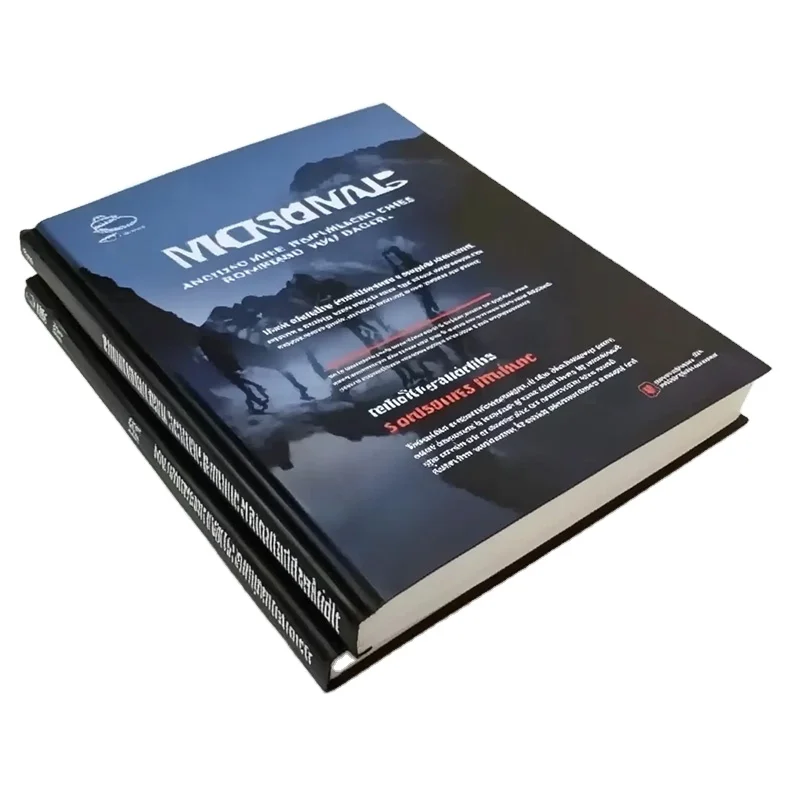
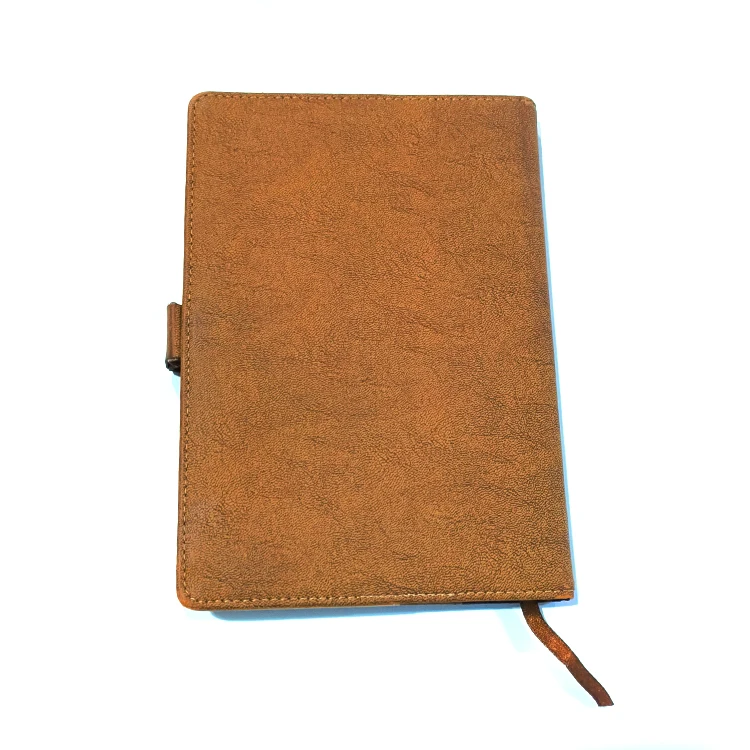
Quick book printing represents a revolutionary advancement in modern publishing technology that enables authors, businesses, educators, and organizations to produce high-quality printed books in minimal timeframes. This innovative service combines cutting-edge digital printing equipment with streamlined production workflows to deliver professionally bound volumes without the traditional delays associated with conventional printing methods. Quick book printing utilizes sophisticated digital printing technology that eliminates the need for expensive printing plates and lengthy setup procedures, allowing for immediate production initiation once files are approved. The main functions of quick book printing encompass on-demand publishing, small to medium batch production, rapid prototype creation, and customized book manufacturing tailored to specific client requirements. The technological features supporting this service include high-resolution digital presses capable of producing vibrant color reproductions and crisp text clarity, automated binding systems that ensure durability and professional finishing, and advanced color management software that maintains consistency across every printed copy. Quick book printing applications span numerous sectors including independent authors seeking to self-publish their manuscripts, educational institutions requiring course materials and textbooks, corporations producing training manuals and company documentation, marketing agencies creating presentation materials and portfolios, event organizers printing commemorative publications, and small businesses developing product catalogs and promotional literature. The flexibility inherent in quick book printing allows customers to order quantities ranging from single copies to several thousand units, making it economically viable for projects of virtually any scale. This technology has democratized the publishing landscape by removing financial barriers that previously prevented emerging authors and small organizations from accessing professional printing services. Modern quick book printing facilities offer various binding options including perfect binding, saddle stitching, spiral binding, and hardcover construction, providing clients with comprehensive choices to match their aesthetic preferences and functional requirements. The integration of online ordering systems and digital file submission platforms has further streamlined the quick book printing process, enabling customers to manage projects remotely and receive real-time production updates throughout the manufacturing cycle.

New Product Recommendations

The advantages of quick book printing extend far beyond simple speed, offering practical benefits that transform how individuals and organizations approach their publishing needs. First and foremost, the turnaround time represents a game-changing benefit, with most projects completing within three to ten business days compared to traditional offset printing which often requires four to eight weeks. This rapid production schedule proves invaluable when facing tight deadlines for book launches, conferences, academic semesters, or marketing campaigns. The cost-effectiveness of quick book printing becomes apparent particularly for smaller quantities, as there are no expensive plate-making fees or minimum order requirements that force customers to purchase more copies than needed. This financial flexibility allows authors to test market reception with initial small runs before committing to larger inventories, significantly reducing financial risk. The ability to make last-minute corrections and updates before printing provides another substantial advantage, as digital files can be modified right up until production begins, ensuring the final product contains the most current and accurate information. Quick book printing delivers exceptional print quality that rivals traditional methods, with modern digital presses producing sharp text, vibrant photographs, and accurate color reproduction that meets professional publishing standards. Environmental sustainability represents another meaningful advantage, as quick book printing generates less waste through precise quantity production, eliminating surplus inventory that often ends up discarded. The technology also typically uses eco-friendly inks and papers, appealing to environmentally conscious customers. Inventory management becomes dramatically simplified since books can be printed as needed rather than storing large quantities in warehouses, reducing storage costs and eliminating concerns about unsold stock becoming outdated. Customization capabilities offer tremendous creative freedom, allowing each book to be personalized with unique content, covers, or dedications without incurring additional setup charges. This feature proves particularly valuable for corporate clients creating region-specific materials or authors offering signed personalized editions. The accessibility of quick book printing empowers independent creators who might lack connections to traditional publishers, providing direct access to professional manufacturing without intermediary gatekeepers. Testing different cover designs, formats, or content variations becomes economically feasible, enabling data-driven decisions based on actual market feedback rather than speculation. Geographic convenience has expanded as quick book printing services have proliferated, with many providers offering nationwide shipping and local pickup options that accommodate various logistical preferences. The technical support typically accompanying these services helps customers navigate file preparation requirements, binding selections, and paper choices, ensuring optimal results even for those without publishing experience. Overall, quick book printing transforms publishing from an exclusive, resource-intensive endeavor into an accessible, flexible, and responsive service that adapts to diverse needs and circumstances.

Latest News

Why Do Comprehensive Firms Provide Better Magazine Layouts?

06

May

Why Do Comprehensive Firms Provide Better Magazine Layouts?

In the competitive world of print media and corporate communication, the quality of magazine layouts can make or break reader engagement and brand perception. Business decision-makers increasingly recognize that comprehensive firms—those offering int...
View More
How to Measure the Flexible Production of Shipping Box Firms?

06

May

How to Measure the Flexible Production of Shipping Box Firms?

In the modern packaging industry, evaluating the flexible production of shipping box firms has become a critical factor for businesses seeking reliable manufacturing partners. As customer demands shift toward customization, faster turnaround times, a...
View More
Why Do Patent Printing Techs Make Brochure Image Details Stunning?

06

May

Why Do Patent Printing Techs Make Brochure Image Details Stunning?

In the competitive landscape of corporate marketing and brand communication, the visual impact of printed brochures can determine whether a prospective client engages with your message or discards it within seconds. Businesses investing in high-quali...
View More
How to Define Brand Tone via Magazine Paper Texture and Binding?

06

May

How to Define Brand Tone via Magazine Paper Texture and Binding?

Brand tone is not merely communicated through words and images—it extends deeply into the tactile and visual qualities of the physical materials you choose for your printed publications. When readers hold a magazine, catalog, or brochure, the magazin...
View More

Get a Free Quote

Our representative will contact you soon.
Email
Name
Company Name
Message
0/1000

quick book printing

Lightning-Fast Production Without Quality Compromise

Lightning-Fast Production Without Quality Compromise

Quick book printing revolutionizes the traditional publishing timeline by delivering completed books in mere days rather than weeks or months, all while maintaining exceptional quality standards that satisfy even the most discerning readers and professionals. This remarkable speed stems from sophisticated digital printing infrastructure that bypasses time-consuming processes inherent in conventional offset printing. Traditional methods require creating metal or polymer plates for each page, a procedure that alone can consume several days before actual printing even begins. Quick book printing eliminates this bottleneck entirely through direct digital-to-press technology that transmits your manuscript files immediately to printing equipment, initiating production within hours of file approval. The production velocity extends throughout the entire manufacturing process, with automated cutting systems precisely trimming pages to specification, high-speed binding equipment assembling volumes with consistent accuracy, and quality control checkpoints ensuring every book meets established standards. Despite this accelerated timeline, quick book printing maintains rigorous quality benchmarks through advanced color calibration systems that ensure accurate reproduction of images and graphics, high-resolution printing capabilities that render text with razor-sharp clarity suitable for extended reading, and premium paper stocks that provide satisfying tactile experiences and durability. The speed advantage proves transformative for numerous scenarios including authors launching books to coincide with speaking engagements or media appearances, professors preparing course materials just before semester begins with updated content, businesses producing annual reports that reflect the most recent financial data, and organizations creating event programs containing last-minute schedule adjustments. This rapid turnaround eliminates the anxiety associated with extended production timelines and provides flexibility to respond to changing circumstances without compromising publication goals. The technology supporting quick book printing continues advancing, with newer equipment achieving even faster production rates while simultaneously improving output quality, expanding color gamut accuracy, and enhancing binding durability. Customers benefit from this continuous innovation without bearing equipment acquisition costs, as professional quick book printing services invest in the latest technology and pass efficiency gains directly to clients through competitive pricing and superior results. The combination of speed and quality creates opportunities previously impossible, such as producing limited edition books for exclusive events, creating presentation copies for important meetings scheduled days away, or fulfilling unexpected demand spikes without maintaining speculative inventory.
Economical Small-Batch Production That Eliminates Waste

Economical Small-Batch Production That Eliminates Waste

Quick book printing fundamentally transforms the economics of publishing by making small production runs financially viable, eliminating the wasteful practices that traditional printing models imposed on authors, businesses, and organizations. Conventional offset printing achieves cost-efficiency only at high volumes, typically requiring minimum orders of 500 to 1000 copies to justify the setup expenses associated with plate creation, press calibration, and production line configuration. This volume requirement forced publishers and authors into uncomfortable choices: either commit substantial capital to inventory that might never sell, or forego printing altogether. Quick book printing dismantles these barriers through per-unit pricing models that remain consistent regardless of quantity, meaning printing ten copies costs proportionally the same as printing ten thousand. This pricing structure liberates customers to order precisely the quantity needed for immediate purposes, whether that means five copies for a family history project, fifty copies for a corporate training session, or five hundred copies for an initial market test. The elimination of setup fees removes financial gambling from the publishing equation, allowing conservative initial orders followed by reprint runs as demand materializes. This approach proves particularly valuable for niche publications serving specialized audiences where demand patterns remain uncertain, enabling publishers to gauge interest without risking significant capital. Environmental benefits accompany the economic advantages, as print-on-demand capabilities through quick book printing eliminate the tons of unsold books that traditional publishing generates annually. Industry estimates suggest that conventional publishing results in approximately thirty percent of printed books eventually being pulped or recycled without ever reaching readers, representing enormous waste of paper, ink, energy, and transportation resources. Quick book printing addresses this ecological concern by producing books only when confirmed demand exists, dramatically reducing the publishing industry's environmental footprint. The financial predictability of quick book printing enables more accurate budgeting and resource allocation, as organizations can forecast costs with precision based on actual needs rather than estimating volumes and hoping for favorable economies of scale. Storage cost elimination represents another often-overlooked economic benefit, as warehousing hundreds or thousands of books incurs ongoing expenses for climate-controlled space, inventory management systems, and handling logistics. Quick book printing allows virtual inventory maintenance where books exist as digital files until orders materialize, at which point they manifest as physical products shipped directly to end users. This model proves especially advantageous for content that updates frequently, such as technical manuals, regulatory compliance documentation, or educational materials, where traditional printing would result in obsolete inventory whenever revisions occur.
Unlimited Customization Capabilities For Personalized Publishing

Unlimited Customization Capabilities For Personalized Publishing

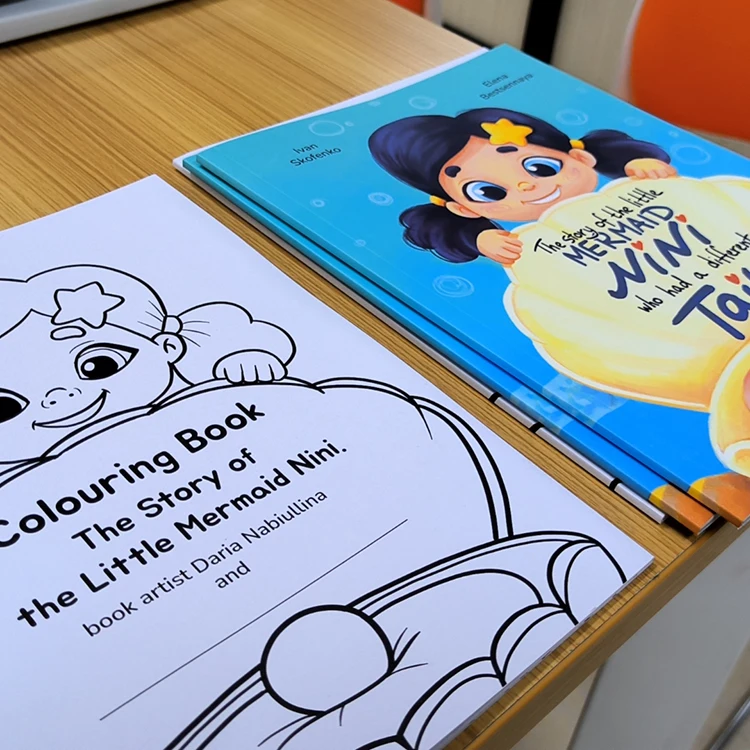
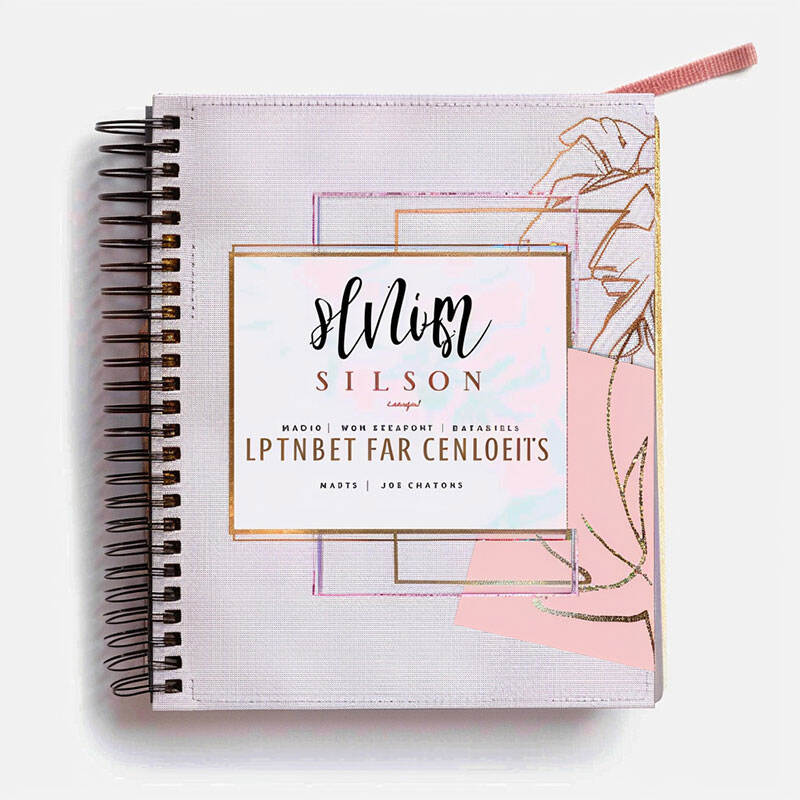
Quick book printing unlocks unprecedented customization possibilities that empower creators to produce truly personalized publications tailored to specific audiences, individual recipients, or unique requirements without incurring the prohibitive costs that would accompany such specialization in traditional printing environments. This customization capability operates at multiple levels, from broad design variations to individualized content modifications that make each copy unique. At the fundamental level, quick book printing accommodates diverse binding styles, paper selections, cover finishes, and trim sizes within single production runs, allowing customers to experiment with different physical formats to determine which presentation best serves their content and audience expectations. More sophisticated applications leverage variable data printing technology integrated into quick book printing workflows, enabling automated insertion of personalized elements such as recipient names, custom dedications, regional information, or targeted content variations throughout the book. Educational institutions utilize this capability to produce customized textbooks that include campus-specific information, departmental guidelines, or professor-selected supplementary chapters alongside core curriculum content. Corporate clients create training manuals where company-specific policies, regional procedures, or role-specific instructions integrate seamlessly with general educational content, ensuring each employee receives precisely relevant information. Authors offer premium editions featuring personalized signed pages, custom acknowledgments mentioning individual readers, or special content accessible only to specific supporter tiers, creating enhanced value propositions that strengthen reader relationships and justify premium pricing. Wedding and event planners commission quick book printing services to produce guest books, ceremony programs, or commemorative albums incorporating attendee names, personal messages, and customized layouts that transform generic publications into cherished keepsakes. The technological infrastructure supporting these customization capabilities includes sophisticated database integration systems that pull personalized information from spreadsheets or customer relationship management platforms, automated quality control systems that verify correct data insertion for each copy, and flexible workflow management that accommodates simultaneous production of multiple variations without production bottlenecks. Quick book printing customization extends beyond content to encompass aesthetic dimensions, with customers selecting from extensive paper stock libraries ranging from economical uncoated sheets to luxurious textured stocks, choosing among matte, gloss, or soft-touch lamination options for covers, and specifying special finishes such as foil stamping, embossing, or spot UV coating that elevate perceived value and visual impact. This comprehensive customization capability democratizes premium publishing options previously accessible only to major publishers with substantial budgets, enabling independent authors and small organizations to compete aesthetically with established players while expressing unique creative visions that distinguish their publications in crowded marketplaces.


Get a Free Quote

Our representative will contact you soon.
Email
Name
Company Name
Message
0/1000