Professional Paperback Book Printing Services - Affordable, High-Quality Book Production Solutions

Get a Free Quote

Our representative will contact you soon.
Email
Name
Company Name
Message
0/1000

paperback book printing

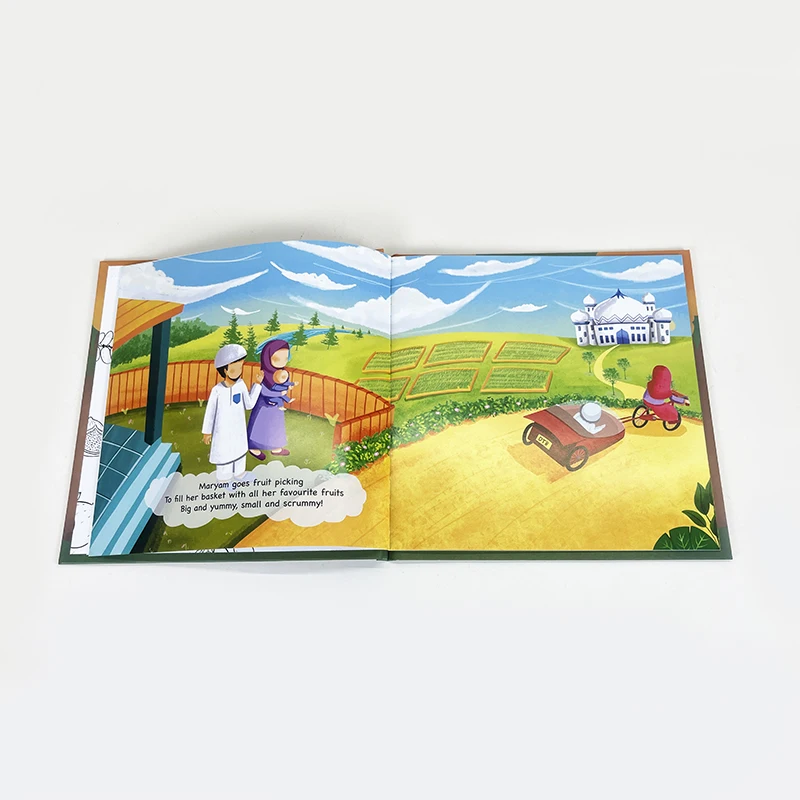
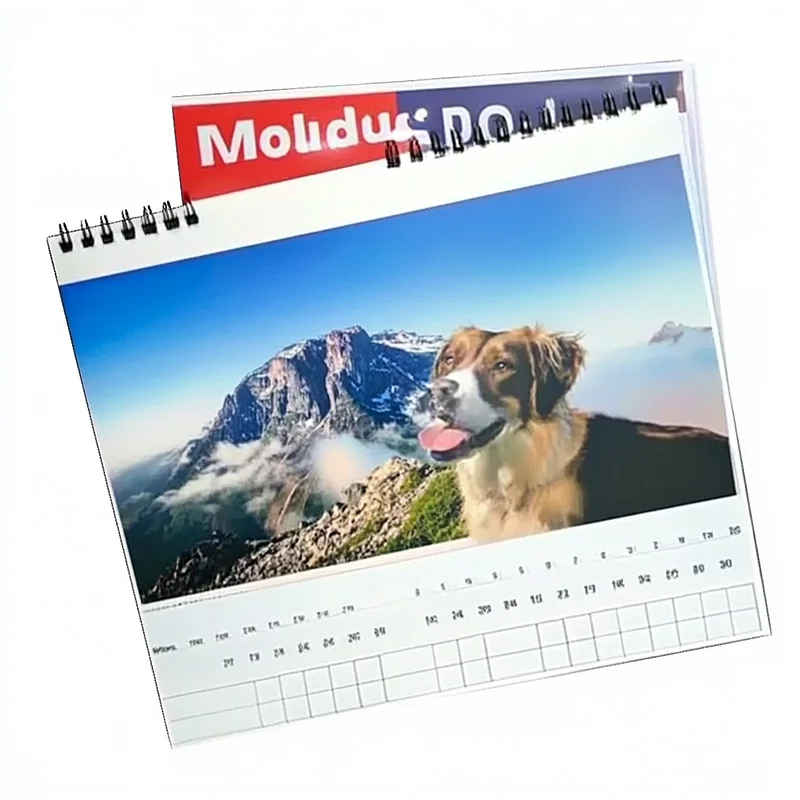
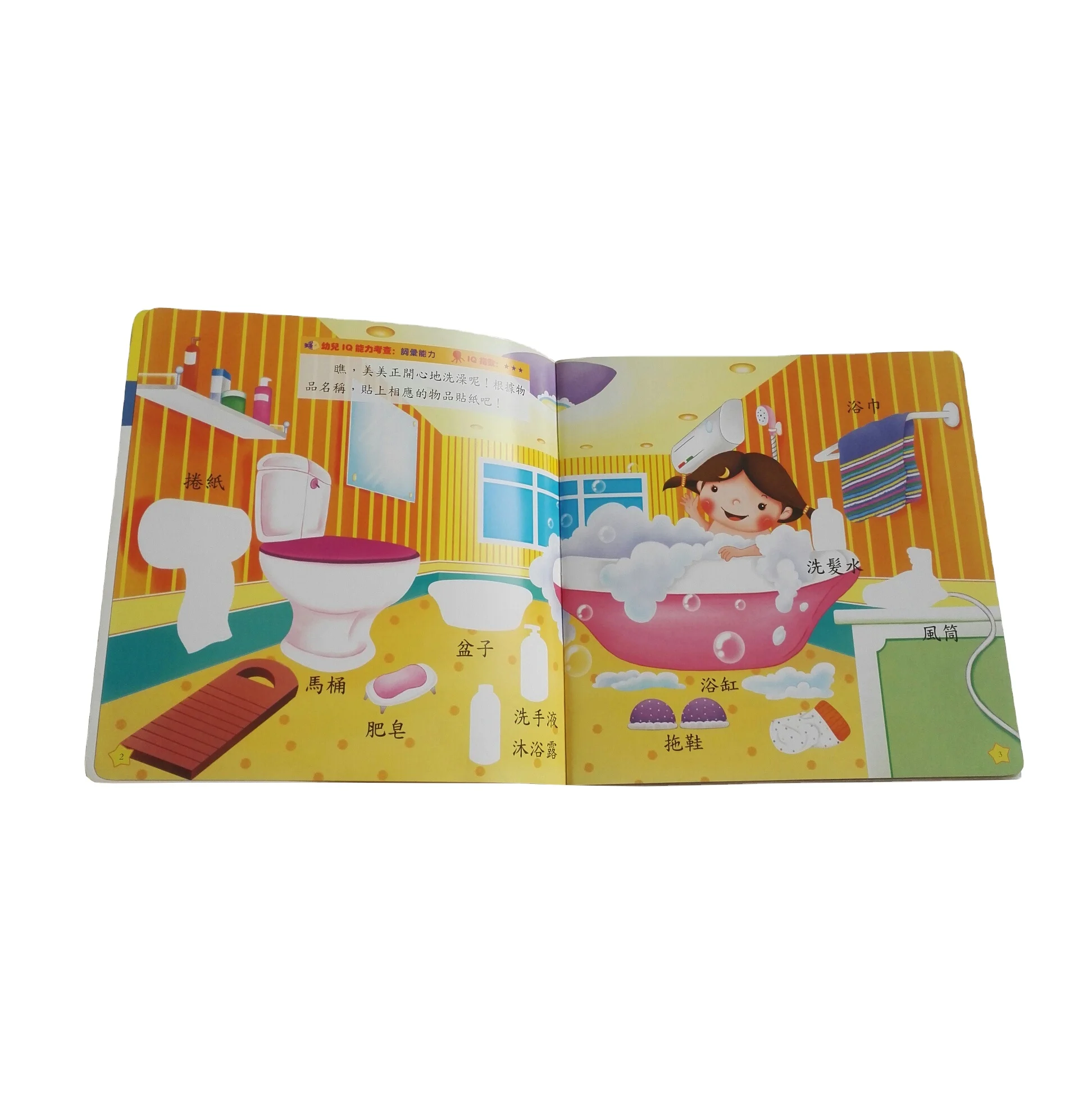
Paperback book printing represents a versatile and economical publishing solution that has revolutionized the accessibility of literature and information worldwide. This printing method produces books with flexible covers made from thick paper or cardstock, distinguished from their hardcover counterparts by their lightweight construction and cost-effective production process. The main functions of paperback book printing encompass producing novels, textbooks, manuals, catalogs, journals, and various educational materials that require professional presentation without excessive manufacturing costs. Modern paperback book printing utilizes advanced digital and offset printing technologies that deliver exceptional print quality, vibrant color reproduction, and crisp text clarity across every page. The technological features of contemporary paperback book printing include high-resolution printing capabilities reaching 2400 dpi or higher, automated binding systems that ensure consistent quality, and sophisticated color management systems that maintain accuracy throughout production runs. These printing services accommodate various book sizes, from compact pocket editions to larger format publications, with binding options including perfect binding, saddle stitching, and spiral binding to suit different project requirements. The applications of paperback book printing extend across multiple industries and purposes, serving independent authors seeking self-publishing opportunities, educational institutions producing course materials, businesses creating training manuals and product catalogs, religious organizations distributing devotional texts, and publishers managing both small print runs and large-scale distributions. The flexibility of paperback book printing allows for rapid turnaround times, making it ideal for time-sensitive projects, limited edition releases, and on-demand printing scenarios. This printing method supports sustainable practices through efficient material usage and the option to print smaller quantities, reducing waste and storage requirements while maintaining professional standards that meet reader expectations and industry specifications for durability and aesthetic appeal.

New Product Releases

Paperback book printing offers numerous practical benefits that make it an attractive choice for authors, publishers, and businesses seeking professional publication solutions. The foremost advantage lies in its exceptional affordability, as paperback book printing costs significantly less than hardcover production, enabling publishers to keep retail prices accessible while maintaining healthy profit margins. This cost efficiency stems from simpler materials and streamlined manufacturing processes that reduce both production expenses and shipping costs due to lighter weight. The lightweight nature of paperback book printing creates additional advantages for distribution, as shipping multiple copies becomes more economical and readers appreciate the portability for travel, commuting, and everyday reading situations. Production flexibility represents another substantial benefit, as paperback book printing accommodates orders ranging from single copies to thousands, supporting print-on-demand business models that eliminate inventory risks and storage costs. Modern paperback book printing technology delivers outstanding visual quality with sharp text reproduction, accurate color rendering for covers and interior images, and professional finishing options that create impressive first impressions. The faster production timeline of paperback book printing means projects move from manuscript to finished product more quickly than traditional hardcover printing, allowing publishers to respond rapidly to market demands, launch timely publications, and reduce time-to-market for new releases. Environmental considerations favor paperback book printing as well, since the reduced material usage and lower shipping weight translate to smaller carbon footprints throughout the supply chain. Readers often prefer paperback book printing for certain genres and purposes, viewing these editions as more approachable for leisure reading, classroom use, and situations where book condition matters less than content accessibility. The versatility of paperback book printing extends to customization options, including various paper stocks, lamination choices for covers, multiple binding styles, and diverse trim sizes that accommodate specific design visions and functional requirements. Publishers benefit from the ability to test market reception with smaller initial print runs through paperback book printing before committing to larger investments, reducing financial risk while gathering valuable sales data. The durability of modern paperback book printing has improved dramatically with advanced binding techniques and quality materials that withstand repeated reading, proper shelf storage, and normal handling, dispelling outdated perceptions about fragility. For educational markets, paperback book printing enables affordable textbook production that reduces student costs while maintaining pedagogical effectiveness through clear layouts and functional design.

Latest News

Why Do Comprehensive Firms Provide Better Magazine Layouts?

06

May

Why Do Comprehensive Firms Provide Better Magazine Layouts?

In the competitive world of print media and corporate communication, the quality of magazine layouts can make or break reader engagement and brand perception. Business decision-makers increasingly recognize that comprehensive firms—those offering int...
View More
How to Maintain Stored Shipping Box to Prevent Weakening?

06

May

How to Maintain Stored Shipping Box to Prevent Weakening?

Maintaining stored shipping boxes in optimal condition is critical for businesses that rely on packaging inventory to fulfill orders efficiently and protect products during transit. When shipping boxes are stored improperly or for extended periods, t...
View More
How to Measure the Flexible Production of Shipping Box Firms?

06

May

How to Measure the Flexible Production of Shipping Box Firms?

In the modern packaging industry, evaluating the flexible production of shipping box firms has become a critical factor for businesses seeking reliable manufacturing partners. As customer demands shift toward customization, faster turnaround times, a...
View More
What Are the Eco Benefits of Shipping Box in Circular Logic?

06

May

What Are the Eco Benefits of Shipping Box in Circular Logic?

The global shift toward sustainable packaging has placed the humble shipping box at the center of environmental innovation, particularly within circular economy frameworks. As businesses face mounting pressure to reduce their carbon footprint and min...
View More

Get a Free Quote

Our representative will contact you soon.
Email
Name
Company Name
Message
0/1000

paperback book printing

Cost-Effective Production That Maximizes Publishing Budgets

Cost-Effective Production That Maximizes Publishing Budgets

Paperback book printing stands as the most economically advantageous option for bringing written content to market, offering substantial financial benefits that impact every stage of the publishing process. The production costs associated with paperback book printing average 40 to 60 percent lower than hardcover alternatives, primarily due to simpler cover construction using durable cardstock rather than rigid boards, cloth, and dust jackets. This fundamental cost difference enables publishers, independent authors, and organizations to allocate budgets more strategically, investing savings into marketing campaigns, editorial improvements, or broader distribution networks that ultimately enhance commercial success. The manufacturing efficiency of paperback book printing extends beyond materials to include faster setup times, streamlined binding processes, and reduced labor requirements that collectively lower per-unit costs, especially noticeable in medium to large print runs. For self-publishing authors working with limited budgets, paperback book printing removes financial barriers to publication, allowing talented writers to share their work professionally without prohibitive upfront investments or minimum order quantities that strain personal finances. The weight advantage of paperback book printing creates cascading economic benefits throughout distribution channels, as lighter shipments mean lower freight costs whether sending review copies to media outlets, fulfilling online orders to individual customers, or stocking bookstore shelves across multiple locations. This shipping efficiency becomes particularly significant for international distribution, where weight-based postal rates can dramatically impact profitability margins on cross-border sales. Educational institutions appreciate how paperback book printing enables affordable course material production, reducing student textbook expenses while maintaining academic quality standards that support learning objectives effectively. Publishers managing backlist titles find paperback book printing invaluable for keeping older works available without maintaining expensive inventory, as digital printing technology supports small batch production that matches actual demand patterns rather than requiring speculative warehouse stock. The financial accessibility of paperback book printing democratizes publishing opportunities, empowering diverse voices, niche topics, and specialized content that might not justify hardcover investment but deserve professional presentation and widespread availability in the literary marketplace.
Versatile Applications Across Multiple Publishing Scenarios

Versatile Applications Across Multiple Publishing Scenarios

The adaptability of paperback book printing makes it suitable for an extraordinarily diverse range of publishing projects, content types, and distribution strategies across multiple industries and creative disciplines. Fiction publishers rely heavily on paperback book printing for genre novels, literary fiction, and mass-market editions that prioritize reader accessibility and impulse purchase appeal in bookstore displays and online marketplaces. The format proves equally valuable for non-fiction categories including memoirs, self-help guides, business books, historical accounts, and biographical works where content value supersedes premium presentation. Academic publishers utilize paperback book printing extensively for scholarly monographs, conference proceedings, dissertation publications, and supplementary course readings that serve specialized audiences seeking affordability alongside intellectual rigor. Corporate applications of paperback book printing include employee training manuals, product documentation, company histories, annual reports, and brand storytelling publications that communicate organizational narratives professionally without excessive production budgets. Religious organizations depend on paperback book printing for devotional materials, study guides, denominational literature, and spiritual texts that require widespread distribution at accessible price points to serve congregational needs effectively. Independent publishers and small presses find paperback book printing essential for launching debut authors, experimental works, poetry collections, and regional interest titles that target specific reader communities rather than mass audiences. The cookbook and recipe book segment benefits from paperback book printing through practical, kitchen-friendly formats that withstand culinary environments while remaining affordable enough for home cooks to build extensive collections. Travel guide publishers choose paperback book printing for its portability and durability during trips, creating lightweight companions that travelers can easily pack, reference frequently, and replace inexpensively if damaged during adventures. Art books, photography collections, and exhibition catalogs increasingly appear in paperback book printing formats that democratize visual culture access while maintaining reproduction quality sufficient for appreciating creative works. Children's book publishers utilize paperback book printing for early readers, chapter books, and educational series that parents and schools can afford in quantities supporting literacy development and reading habit formation among young audiences.
Advanced Printing Technology Delivering Professional Quality Results

Advanced Printing Technology Delivering Professional Quality Results

Contemporary paperback book printing leverages sophisticated manufacturing technologies that produce exceptionally high-quality results rivaling traditional premium printing methods in visual appeal and structural integrity. Modern digital printing systems employed in paperback book printing utilize advanced inkjet and laser technologies capable of rendering text with razor-sharp clarity, reproducing fine typography details, maintaining consistent density across pages, and ensuring readability that meets exacting professional standards. Color reproduction in paperback book printing has achieved remarkable fidelity through calibrated color management systems, expanded gamut inks, and precise registration controls that accurately render cover artwork, interior photographs, illustrations, and graphic elements with vibrant hues and smooth gradations. The binding quality of paperback book printing has evolved considerably through automated perfect binding equipment that applies hot-melt or cold-set adhesives with precision, creating secure page attachment that withstands repeated opening, extended reading sessions, and normal shelf life without premature deterioration. Cover finishing options in paperback book printing include matte and gloss lamination that protect against wear, enhance visual appeal, and provide tactile qualities that influence purchasing decisions, alongside spot UV coating, embossing, and foil stamping that add premium touches when budgets allow enhancement. Paper selection flexibility in paperback book printing accommodates various project requirements, offering options from economy offset stocks for cost-conscious projects to premium cream or white papers that improve reading comfort, reduce eye strain, and convey quality appropriate for literary works and professional publications. Interior layout capabilities of paperback book printing support complex formatting including multi-column designs, integrated images, charts, tables, footnotes, headers, and specialized typography that maintain design integrity while ensuring functional readability throughout the publication. Quality control measures integrated into paperback book printing workflows include automated inspection systems that detect defects, color consistency monitoring across print runs, and sampling protocols that verify conformance to specifications before finalizing production. Environmental responsibility in paperback book printing advances through vegetable-based inks, FSC-certified paper options, energy-efficient equipment, and waste reduction practices that minimize ecological impact while delivering products meeting sustainability expectations of environmentally conscious readers and publishers.


Get a Free Quote

Our representative will contact you soon.
Email
Name
Company Name
Message
0/1000