
 EN
EN


In the competitive world of print media and corporate communication, the quality of magazine layouts can make or break reader engagement and brand perception. Business decision-makers increasingly recognize that comprehensive firms—those offering integrated design, production, and printing services—consistently deliver superior magazine layouts compared to specialized or fragmented service providers. This superiority stems from their holistic approach to design coordination, technical expertise across multiple production stages, and deep understanding of how visual elements translate from concept to finished product. When organizations invest in professional publications, whether for internal communications, client-facing materials, or retail distribution, the choice of service provider directly impacts the final product's effectiveness and professional appeal.
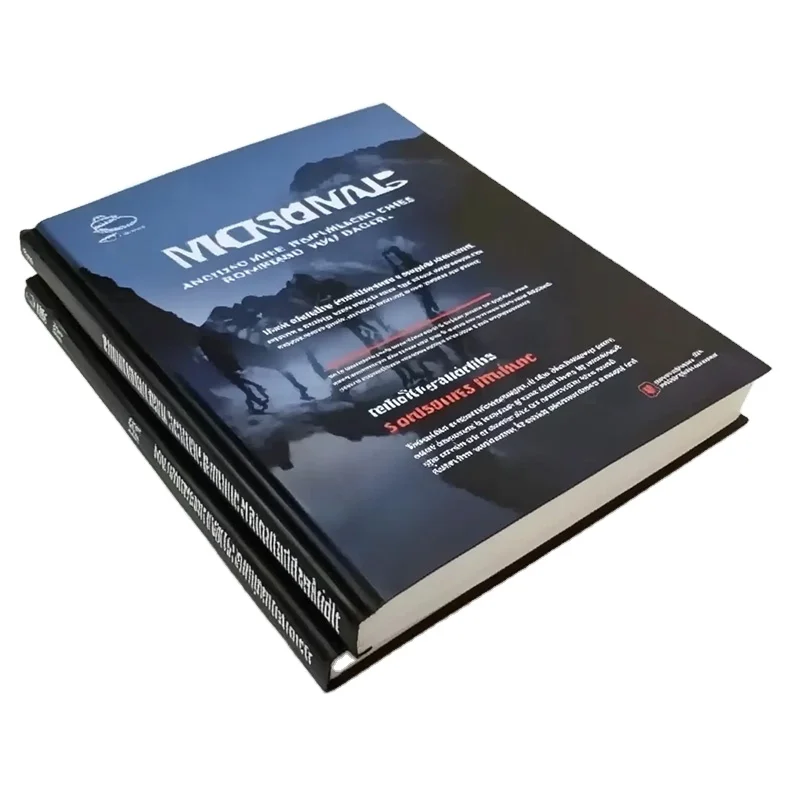
Comprehensive firms bring together creative talent, technical knowledge, and manufacturing capabilities under one operational umbrella, enabling them to control every aspect of magazine layout development and execution. This integrated structure eliminates the communication gaps and quality inconsistencies that often plague projects managed across multiple vendors. From initial concept discussions through final binding and finishing, these full-service providers maintain continuous oversight of how design decisions affect production outcomes, ensuring that creative vision aligns perfectly with technical feasibility. The result is magazine layouts that not only look visually impressive but also function effectively within printing constraints, maintain consistency across all pages, and deliver the intended reader experience without compromise.
Integrated Design and Production Knowledge Creates Superior Layouts
Cross-Functional Expertise Drives Layout Excellence
Comprehensive firms employ teams where designers, prepress technicians, and production specialists work collaboratively rather than in isolation. This cross-functional structure means that magazine layouts are developed with immediate input from printing experts who understand paper characteristics, ink behavior, and binding limitations. When designers create page compositions, they receive real-time feedback about which color combinations will reproduce accurately, which font sizes remain legible after printing, and which layout structures will survive the trimming and folding processes. This immediate technical validation prevents the common problem of beautiful designs that fail during production or require costly last-minute revisions.
The seamless knowledge transfer within comprehensive firms also accelerates the refinement process for magazine layouts. Instead of waiting days for external vendors to review files and report technical issues, internal teams can iterate rapidly, testing multiple layout variations and making informed decisions about which approaches best balance creative impact with production efficiency. This velocity advantage becomes particularly valuable when working under tight publication deadlines or when market conditions demand quick turnaround for time-sensitive content. The integrated workflow enables comprehensive firms to deliver polished magazine layouts faster without sacrificing quality or creative ambition.
Material Selection Influences Layout Design Decisions
Comprehensive firms maintain extensive knowledge about paper stocks, coatings, and specialty substrates, allowing them to guide clients toward material choices that enhance specific layout characteristics. Magazine layouts designed for glossy coated paper require different approaches to color density and image placement compared to those intended for uncoated or textured stocks. Full-service providers can demonstrate how various paper weights affect page turn experience, how different finishes influence photograph reproduction, and how substrate choices impact overall publication feel and durability. This material expertise becomes embedded in the layout design process from the earliest stages.
When designers at comprehensive firms create magazine layouts, they consider how paper opacity affects show-through between pages, ensuring that heavy ink coverage on one side doesn't create distracting shadows visible from the reverse. They understand how grain direction influences how pages lie flat when opened, informing decisions about gutter margins and cross-page image placement. They know which binding methods work best with specific page counts and paper weights, allowing them to optimize magazine layouts for the intended binding style rather than discovering compatibility issues after design completion. This material-aware approach to layout design eliminates surprises and ensures that the finished publication performs exactly as intended.
Color Management Systems Ensure Layout Consistency
Comprehensive firms invest in calibrated color management workflows that connect design workstations directly to press output, ensuring that magazine layouts appear on printed pages exactly as designers intended. This end-to-end color control eliminates the frustrating discrepancies that occur when design files move between uncoordinated vendors using different color standards and calibration methods. When creating magazine layouts, designers can trust that the subtle color gradients, brand-specific hues, and photographic tones they specify will reproduce faithfully in the final product, allowing them to make precise creative decisions without safety margins or compromises.
The color consistency achieved by comprehensive firms extends beyond individual pages to ensure uniformity across entire publications and even across multiple print runs. Magazine layouts benefit enormously from this reliability, as readers expect visual coherence from cover to cover and from issue to issue. Full-service providers implement proofing systems that accurately predict final press results, allowing clients to approve magazine layouts with confidence that what they see in proofs matches what they'll receive in finished publications. This predictability reduces revision cycles, prevents costly reprints, and builds client trust in the layout development process.
Strategic Layout Architecture Enhances Reader Engagement
Information Hierarchy Guides Visual Flow
Comprehensive firms employ designers trained in editorial design principles who understand how to structure magazine layouts that guide readers naturally through content. These professionals create visual hierarchies using strategic placement of headlines, subheadings, body text, and images to establish clear reading paths that feel intuitive rather than confusing. By controlling typography, white space, and compositional balance, they craft magazine layouts that communicate information priority at a glance, allowing readers to quickly identify featured articles, supporting content, and supplementary material without conscious effort.
The sophisticated understanding of reader psychology that comprehensive firms bring to magazine layouts manifests in subtle design choices that dramatically improve content accessibility. Designers position key messages in visual hot zones where eye-tracking research shows readers naturally focus first, they use contrast and scale to differentiate content categories, and they employ grid systems that create visual rhythm across pages while accommodating diverse content types. This strategic approach transforms magazine layouts from mere containers for text and images into active communication tools that enhance comprehension and retention.
Grid Systems Provide Flexible Structure
Professional magazine layouts developed by comprehensive firms rely on sophisticated grid systems that establish consistent structure while allowing creative flexibility. These underlying frameworks define column widths, margin proportions, and baseline alignments that create visual coherence across all pages, ensuring that publications feel professionally unified rather than haphazardly assembled. The grid systems used by experienced firms accommodate various content types—long-form articles, photo essays, data visualizations, and advertising—without compromising the overall design integrity that makes magazine layouts recognizable and trustworthy.
Comprehensive firms customize grid structures to match specific publication goals and reader expectations. Magazine layouts intended for technical audiences might employ denser grids with multiple columns and precise alignment points that support detailed diagrams and specifications, while lifestyle publications might use more relaxed grids that emphasize large imagery and generous white space. This tailored approach ensures that the underlying structure of magazine layouts actively supports content objectives rather than imposing generic templates that fight against editorial intent.
Typography Choices Impact Readability and Brand Identity
Comprehensive firms bring typographic expertise to magazine layouts that extends far beyond font selection. Their designers understand how typeface characteristics affect reading speed and comprehension, how letter spacing and line height influence text accessibility, and how typographic contrast creates visual interest without sacrificing legibility. This deep knowledge enables them to craft magazine layouts where typography functions as both a practical reading tool and a distinctive brand element, simultaneously serving functional communication needs and aesthetic ambitions.
The typographic sophistication evident in professionally developed magazine layouts includes careful attention to hierarchical relationships between different text elements. Comprehensive firms establish clear distinctions between headlines, decks, body text, captions, and pull quotes through coordinated variations in weight, size, spacing, and positioning. They ensure that typographic choices remain legible across the entire size range used in magazine layouts, from small captions to large display headlines, and that text maintains readability when printed on various paper stocks and viewed under different lighting conditions. This comprehensive approach to typography elevates magazine layouts from adequate to exceptional.
Technical Precision Prevents Production Problems
Bleed and Margin Management Protects Design Integrity
Comprehensive firms build magazine layouts with precise understanding of bleed requirements, safety margins, and trim tolerances that protect design elements from production casualties. Their designers extend background colors and images beyond trim lines to ensure clean edges after cutting, they keep critical text and logos within safe zones that account for binding and trimming variations, and they structure magazine layouts to accommodate the mechanical realities of high-speed production without visible compromise. This technical precision prevents the amateur mistakes that plague publications designed without production expertise, such as text cut off at page edges or images with unsightly white slivers along borders.
The margin management practiced by comprehensive firms also considers how readers physically interact with publications. Magazine layouts include adequate gutter margins that prevent text from disappearing into bindings, they provide sufficient outer margins that accommodate comfortable thumb placement without covering content, and they maintain consistent margin proportions that create visual stability across all pages. This reader-focused approach to technical specifications ensures that magazine layouts function beautifully not just as design concepts but as physical objects that people hold, turn, and read comfortably over extended periods.
Image Resolution and Color Space Standards
Comprehensive firms enforce strict image quality standards in magazine layouts, requiring sufficient resolution for sharp reproduction at intended print sizes and proper color space conversion for accurate press output. Their prepress teams review every image placement to verify pixel dimensions, identify problematic low-resolution files, and optimize color profiles before layouts advance to production. This quality control prevents the blurry photographs and color-shifted graphics that result when images are improperly prepared, ensuring that visual content in magazine layouts appears crisp, vibrant, and professionally produced.
The image handling protocols used by comprehensive firms also address transparency, layering, and special effects that can create unexpected results during printing. Designers working on magazine layouts receive guidance about which Photoshop effects translate reliably to print, which transparency modes cause problems with specific ink combinations, and which image formats best preserve quality through the production workflow. This proactive technical support prevents the frustrating situation where magazine layouts look perfect on screen but exhibit defects when printed, saving time and preventing costly reprints caused by technical oversights.
File Preparation and Preflight Processes
Comprehensive firms implement rigorous preflight procedures that catch technical errors before magazine layouts enter production. Automated checking systems verify font embedding, validate color assignments, confirm image resolution, detect missing elements, and flag potential printing problems that could compromise output quality. These systematic reviews ensure that magazine layouts meet all technical specifications required for successful printing, eliminating the delays and quality issues that occur when files contain hidden problems discovered only after press setup begins.
The preflight discipline maintained by comprehensive firms extends to establishing standardized file formats and naming conventions that streamline magazine layout management across projects and production runs. Clear organizational systems prevent version confusion, ensure that correct files reach production, and enable efficient archiving for future reprints or updates. This operational rigor may seem mundane compared to creative design work, but it directly impacts the reliability and consistency of magazine layouts as they move from concept to finished product, preventing the chaos and errors that plague less organized workflows.
Collaborative Workflow Optimizes Creative and Technical Balance
Client Communication Shapes Layout Development
Comprehensive firms structure their magazine layout development process around systematic client collaboration that captures requirements accurately and incorporates feedback efficiently. They conduct thorough discovery sessions to understand publication objectives, audience characteristics, brand guidelines, and content strategies before beginning layout design. This front-loaded communication ensures that magazine layouts align with client vision from the start rather than requiring major revisions after substantial work is complete. Regular review milestones throughout the design process keep clients informed and engaged, allowing course corrections while maintaining project momentum.
The client collaboration practiced by comprehensive firms also includes education about how design choices affect production outcomes and costs. When discussing magazine layouts, account managers explain how page count affects binding options, how color choices impact printing expenses, and how schedule decisions influence material availability and rush charges. This transparent communication empowers clients to make informed decisions about where to invest resources for maximum impact and where practical compromises make sense, resulting in magazine layouts that balance creative ambition with budget realities and timeline constraints.
Editorial and Design Team Coordination
Comprehensive firms facilitate close coordination between editorial teams developing content and designers creating magazine layouts, ensuring that text and visual elements work together harmoniously. This collaboration begins early in the content development cycle, with designers providing guidance about optimal article lengths, image requirements, and content structures that support compelling layouts. By involving layout designers in editorial planning, comprehensive firms prevent the common problem of finished content that doesn't fit intended designs or requires awkward adaptations that compromise visual impact.
The editorial-design integration practiced by comprehensive firms also improves the coherence and polish evident in finished magazine layouts. Designers understand story priorities and thematic connections between articles, allowing them to create visual continuity that reinforces editorial messaging. They collaborate with writers and editors to develop complementary headlines, pull quotes, and captions that enhance page compositions while serving editorial purposes. This partnership approach produces magazine layouts where content and design feel intentionally unified rather than awkwardly forced together after separate development.
Production Team Involvement in Layout Review
Comprehensive firms include production specialists in magazine layout reviews, bringing manufacturing expertise directly into creative decision-making. Press operators, bindery supervisors, and finishing technicians examine proposed layouts to identify potential production challenges, suggest optimizations that improve efficiency without compromising design, and validate that creative concepts can be executed reliably at scale. This production perspective prevents designers from creating magazine layouts that look impressive but prove impractical to manufacture consistently or that require exotic techniques that increase costs disproportionately to their visual benefit.
The production input integrated into comprehensive firms' layout development also identifies opportunities to enhance finished quality through manufacturing techniques that designers might not independently consider. Production teams might suggest specialty coatings that make certain design elements more tactile and engaging, recommend die-cutting or embossing that adds dimensional interest to magazine layouts, or propose binding alternatives that improve how publications open and display. This collaborative approach ensures that manufacturing capabilities actively contribute to creative excellence rather than merely imposing constraints on design ambition.
Quality Control Systems Maintain Layout Standards
Proof Review and Approval Protocols
Comprehensive firms implement structured proofing systems that give clients opportunities to review magazine layouts at critical development stages while maintaining project schedules. Digital proofs allow efficient review of overall layout composition, content flow, and design treatments, while physical press proofs provide accurate representation of final colors, paper textures, and finishing effects. This multi-stage review process ensures that clients approve magazine layouts with full understanding of how they will appear in finished form, preventing unpleasant surprises and reducing the need for costly corrections after production begins.
The proof approval discipline maintained by comprehensive firms also includes clear documentation of what each proof stage represents and what types of changes remain feasible at each review point. Clients receive guidance about when color adjustments can be made without schedule impact versus when layout revisions would require returning to earlier production stages. This transparent communication about approval implications helps clients make informed decisions about requested changes, balancing perfectionism with practical constraints to keep magazine layout projects moving forward efficiently.
Press Checks Ensure Production Accuracy
Comprehensive firms offer press check opportunities where clients can view magazine layouts being printed and approve color accuracy, registration precision, and overall quality before full production runs continue. These on-press reviews provide final validation that digital designs translate correctly to physical output and that any last-minute adjustments achieve desired results. For publications where color fidelity is critical or where brand standards must be met precisely, press checks offer invaluable assurance that magazine layouts will meet expectations across entire print runs.
The press check protocols used by comprehensive firms balance thoroughness with production efficiency, focusing client attention on elements where human judgment adds value while relying on automated quality control for routine technical specifications. Experienced production teams guide clients through what to examine during press checks, explaining normal variation ranges and highlighting when adjustments are warranted versus when observed differences fall within acceptable tolerances. This expert guidance helps clients make confident approval decisions without unnecessary delays or perfectionist paralysis that can derail production schedules.
Post-Production Inspection and Delivery
Comprehensive firms conduct final quality inspections after magazine layouts complete printing and finishing, verifying that bound publications meet specifications for trim accuracy, binding integrity, page sequence, and overall construction quality. These final checks catch any production anomalies before shipment, ensuring that clients receive only publications that meet established quality standards. Random sampling protocols examine representative copies from different points in production runs, detecting any quality drift that might occur as large quantities are manufactured.
The delivery systems used by comprehensive firms also protect magazine layouts during shipment, using appropriate packaging that prevents damage during handling and transit. Careful attention to packing specifications ensures that publications arrive in pristine condition, ready for distribution without requiring sorting to remove damaged copies. This end-to-end quality focus extends the comprehensive firm advantage beyond design and production into final delivery, ensuring that magazine layouts reach end readers in the condition that designers and clients intended.
FAQ
What specific advantages do comprehensive firms offer for magazine layout projects compared to working with separate designers and printers?
Comprehensive firms provide integrated workflows where designers and production specialists collaborate continuously throughout magazine layout development, ensuring that creative concepts align perfectly with manufacturing capabilities. This eliminates the communication gaps and quality inconsistencies common when design and printing are handled by separate vendors who don't coordinate closely. Clients benefit from single-point accountability, streamlined project management, faster turnaround times, and layouts optimized for both visual impact and production efficiency. The seamless knowledge transfer within comprehensive firms also prevents costly revisions caused by designs that prove impractical to print as originally conceived.
How do comprehensive firms ensure color accuracy throughout the magazine layout process?
Comprehensive firms implement calibrated color management systems that connect design workstations directly to printing presses using standardized color profiles and regular equipment calibration. This end-to-end color control ensures that magazine layouts appear on printed pages exactly as designers intended, with predictable and consistent reproduction of brand colors, photographic tones, and graphic elements. Advanced proofing technologies provide accurate previews of final press results, allowing clients to approve colors with confidence before production begins. The color expertise within comprehensive firms also guides material selection, as different paper stocks and coatings affect how colors appear in finished publications.
Can comprehensive firms handle urgent magazine layout projects with tight deadlines?
Comprehensive firms are particularly well-suited for tight-deadline projects because their integrated structure eliminates handoff delays between separate vendors. Design teams can rapidly iterate layouts with immediate production feedback, prepress preparation happens concurrently with final design refinements, and printing schedules can be optimized based on real-time knowledge of layout completion status. The compressed timeline capabilities of comprehensive firms stem from internal coordination advantages and established workflows that minimize review cycles and approval delays. However, realistic expectations about what's achievable within specific timeframes remain important, and comprehensive firms provide transparent guidance about minimum lead times required for quality results.
How do comprehensive firms approach magazine layouts for specialized industries with unique technical requirements?
Comprehensive firms develop industry-specific expertise by working repeatedly with clients in particular sectors, building deep understanding of technical content presentation, regulatory compliance requirements, and audience expectations unique to those industries. Their designers learn specialized terminology, appropriate visual treatments for technical subjects, and layout conventions that enhance credibility with expert audiences. Production teams become familiar with special requirements such as archival paper stocks for legal publications, specific color standards for medical imaging, or security features for financial documents. This accumulated expertise enables comprehensive firms to create magazine layouts that meet both general design excellence standards and industry-specific technical requirements that generic service providers might overlook.
Table of Contents
- Integrated Design and Production Knowledge Creates Superior Layouts
- Strategic Layout Architecture Enhances Reader Engagement
- Technical Precision Prevents Production Problems
- Collaborative Workflow Optimizes Creative and Technical Balance
- Quality Control Systems Maintain Layout Standards
-
FAQ
- What specific advantages do comprehensive firms offer for magazine layout projects compared to working with separate designers and printers?
- How do comprehensive firms ensure color accuracy throughout the magazine layout process?
- Can comprehensive firms handle urgent magazine layout projects with tight deadlines?
- How do comprehensive firms approach magazine layouts for specialized industries with unique technical requirements?