Premium Plastic Paper Bags - Durable Moisture-Resistant Packaging Solutions for Retail and Food Service

Get a Free Quote

Our representative will contact you soon.
Email
Name
Company Name
Message
0/1000

plastic paper bags

Plastic paper bags represent an innovative packaging solution that combines the durability of plastic with the traditional appeal of paper materials. These hybrid bags have emerged as a versatile option for businesses seeking reliable, cost-effective packaging that meets modern consumer expectations. The main function of plastic paper bags is to provide secure containment and transportation for various products while offering enhanced resistance to moisture, tearing, and environmental factors. Unlike conventional paper bags that may deteriorate when exposed to humidity or liquids, plastic paper bags maintain their structural integrity under challenging conditions. The technological features of these bags include multi-layer construction that bonds plastic polymers with paper fibers, creating a composite material that leverages the strengths of both components. This fusion process utilizes advanced lamination techniques that ensure the plastic layer adheres firmly to the paper substrate without compromising the bag's flexibility or printability. The outer paper surface provides an excellent canvas for branding, graphics, and product information, while the inner plastic lining prevents leakage and protects contents from external contaminants. Applications for plastic paper bags span numerous industries including retail, food service, agriculture, construction materials, and consumer goods. Grocery stores utilize them for packaging fresh produce, bakery items, and general merchandise. Restaurants and takeout establishments rely on plastic paper bags to safely deliver meals while maintaining food quality during transit. Industrial suppliers package hardware components, chemical products, and building materials in these bags because they offer superior protection compared to standard paper alternatives. The agricultural sector employs plastic paper bags for seed storage, fertilizer distribution, and harvested crop containment. Medical and pharmaceutical industries appreciate their hygienic properties and barrier protection capabilities. The versatility of plastic paper bags makes them suitable for both lightweight items and moderately heavy products, with weight capacities ranging from small retail purchases to substantial bulk goods.

New Products

Choosing plastic paper bags delivers numerous practical benefits that directly impact your business operations and customer satisfaction. First, these bags provide exceptional moisture resistance that standard paper cannot match, ensuring your products remain dry and intact regardless of weather conditions or accidental spills. When customers carry their purchases through rain or snow, the plastic component prevents water penetration that would otherwise compromise package integrity and damage contents. This reliability builds customer trust and reduces product loss claims. Second, the enhanced durability means plastic paper bags resist tearing even when filled with items that have sharp edges or irregular shapes. You will experience fewer bag failures at checkout counters, which translates to less product damage, reduced replacement costs, and improved customer experience. The reinforced construction allows these bags to carry heavier loads than traditional paper options, enabling customers to consolidate purchases into fewer bags and reducing your overall bag consumption. Third, plastic paper bags offer superior printability compared to pure plastic alternatives, allowing you to display vibrant colors, detailed graphics, and clear text that effectively communicates your brand identity. The paper exterior accepts various printing methods including offset, flexographic, and digital techniques, giving you creative freedom to design eye-catching packaging that functions as a mobile advertisement for your business. Fourth, these bags provide better stacking and storage efficiency in your facility because they maintain their shape and do not collapse like some plastic bags. This characteristic simplifies inventory management and reduces the warehouse space required for bag storage. Fifth, plastic paper bags deliver cost advantages through their extended lifespan and multipurpose functionality. Customers often reuse these bags for various purposes, extending your brand exposure beyond the initial purchase occasion. The bags serve as shopping carriers, lunch containers, storage organizers, and gift wrap alternatives, creating ongoing marketing value. Sixth, handling and filling plastic paper bags proceeds smoothly during checkout processes because they stand upright and remain open, accelerating transaction times and improving staff productivity. Seventh, the combination structure offers a more premium appearance than standard plastic bags while maintaining affordability compared to specialty packaging options. This balance helps position your brand as quality-conscious without significantly increasing packaging expenses. Eighth, these bags accommodate various closure methods including folding, stapling, taping, and tying, providing flexibility for different products and presentation preferences.

Latest News

How to Embed AR Tech into Calendar for Better Brand Interaction?

06

May

How to Embed AR Tech into Calendar for Better Brand Interaction?

Augmented reality is transforming how brands connect with their audiences, moving beyond passive visual experiences to create immersive touchpoints that drive engagement and recall. For businesses seeking innovative ways to maintain year-round brand ...
View More
How to Measure the Flexible Production of Shipping Box Firms?

06

May

How to Measure the Flexible Production of Shipping Box Firms?

In the modern packaging industry, evaluating the flexible production of shipping box firms has become a critical factor for businesses seeking reliable manufacturing partners. As customer demands shift toward customization, faster turnaround times, a...
View More
What Are the Eco Benefits of Shipping Box in Circular Logic?

06

May

What Are the Eco Benefits of Shipping Box in Circular Logic?

The global shift toward sustainable packaging has placed the humble shipping box at the center of environmental innovation, particularly within circular economy frameworks. As businesses face mounting pressure to reduce their carbon footprint and min...
View More
How to Define Brand Tone via Magazine Paper Texture and Binding?

06

May

How to Define Brand Tone via Magazine Paper Texture and Binding?

Brand tone is not merely communicated through words and images—it extends deeply into the tactile and visual qualities of the physical materials you choose for your printed publications. When readers hold a magazine, catalog, or brochure, the magazin...
View More

Get a Free Quote

Our representative will contact you soon.
Email
Name
Company Name
Message
0/1000

plastic paper bags

Advanced Multi-Layer Construction Technology

Advanced Multi-Layer Construction Technology

The sophisticated engineering behind plastic paper bags represents a significant advancement in packaging technology that delivers measurable performance advantages for businesses across diverse sectors. At the core of this innovation lies a carefully designed multi-layer construction process that integrates plastic polymers with cellulose-based paper fibers through specialized lamination techniques. This manufacturing approach creates a composite material that exhibits the beneficial characteristics of both components while minimizing their individual limitations. The process begins with high-quality paper stock that undergoes surface treatment to enhance adhesion properties and ensure uniform bonding with the plastic layer. Manufacturers then apply a thin film of polyethylene, polypropylene, or other suitable plastic materials using heat-activated lamination equipment that operates under precisely controlled temperature and pressure parameters. This thermal bonding creates molecular-level adhesion that prevents delamination during normal use and ensures the layers function as an integrated unit rather than separate components that might separate under stress. The resulting structure features the paper layer on the exterior surface, providing a natural texture and appearance that consumers find aesthetically appealing while offering excellent printability for branding and product information. The interior plastic layer forms a protective barrier that shields contents from moisture infiltration, prevents grease and oil migration, and contains any liquid products without leakage. This barrier function proves particularly valuable for food applications where maintaining freshness and preventing contamination are paramount concerns. The thickness ratio between paper and plastic layers can be adjusted during manufacturing to optimize performance characteristics for specific applications, with heavier-duty bags incorporating thicker plastic films for enhanced strength and moisture resistance. Advanced variations include bags with breathable plastic films that allow air circulation while maintaining moisture barriers, making them ideal for fresh produce that requires ventilation to prevent spoilage. Some specialized plastic paper bags incorporate additional features such as aluminum layers for light blocking in photosensitive product packaging, or antimicrobial additives in the plastic component to inhibit bacterial growth for medical and food safety applications. The multi-layer construction also contributes to improved dimensional stability, meaning the bags maintain their shape during filling and transportation rather than collapsing or distorting under load. This stability facilitates automated filling operations in high-volume production environments and ensures consistent presentation at retail points of sale.
Environmental Adaptability and Product Protection

Environmental Adaptability and Product Protection

Plastic paper bags excel in providing reliable product protection across varying environmental conditions and usage scenarios, making them an intelligent choice for businesses that require dependable packaging performance regardless of external factors. The hybrid construction delivers adaptability that pure paper or plastic alternatives cannot match when confronting real-world challenges such as temperature fluctuations, humidity exposure, physical handling stresses, and contamination risks. Temperature resilience stands as a crucial advantage, with plastic paper bags maintaining structural integrity and protective capabilities across a broad thermal range. Unlike standard paper that becomes brittle in cold conditions or pure plastic that may become overly rigid, the composite construction remains flexible and functional whether stored in refrigerated environments, transported in unheated vehicles during winter, or exposed to warm retail spaces. This thermal stability ensures consistent performance throughout supply chains that involve multiple temperature zones. Moisture management represents another critical protective dimension where plastic paper bags demonstrate superior capabilities. The plastic barrier layer effectively blocks liquid water penetration while the paper component absorbs minor humidity fluctuations, creating a buffering effect that prevents condensation accumulation inside the bag. This dual-action moisture control proves invaluable for products sensitive to both direct water exposure and ambient humidity changes, including baked goods that must maintain specific moisture levels, electronic components that cannot tolerate condensation, and powdered products that clump when exposed to dampness. Physical protection during handling and transportation constitutes a fundamental packaging requirement that plastic paper bags address through their enhanced tear resistance and puncture protection. The plastic reinforcement prevents the catastrophic failures that occur when standard paper bags encounter sharp objects or rough handling, while the paper layer provides abrasion resistance that protects printed graphics and maintains professional appearance throughout the distribution cycle. This durability reduces product loss from packaging failures and minimizes the need for secondary protective packaging that adds cost and material waste. Contamination prevention capabilities make plastic paper bags particularly suitable for applications requiring hygienic barriers between products and external environmental factors. The sealed plastic interior creates a clean surface that prevents dust, dirt, microorganisms, and chemical contaminants from reaching packaged items, while the paper exterior remains easy to sanitize in food preparation and medical environments. This protective barrier maintains product quality and safety from manufacturing through final consumption, reducing waste from contaminated products and protecting consumer health.
Brand Enhancement and Marketing Value

Brand Enhancement and Marketing Value

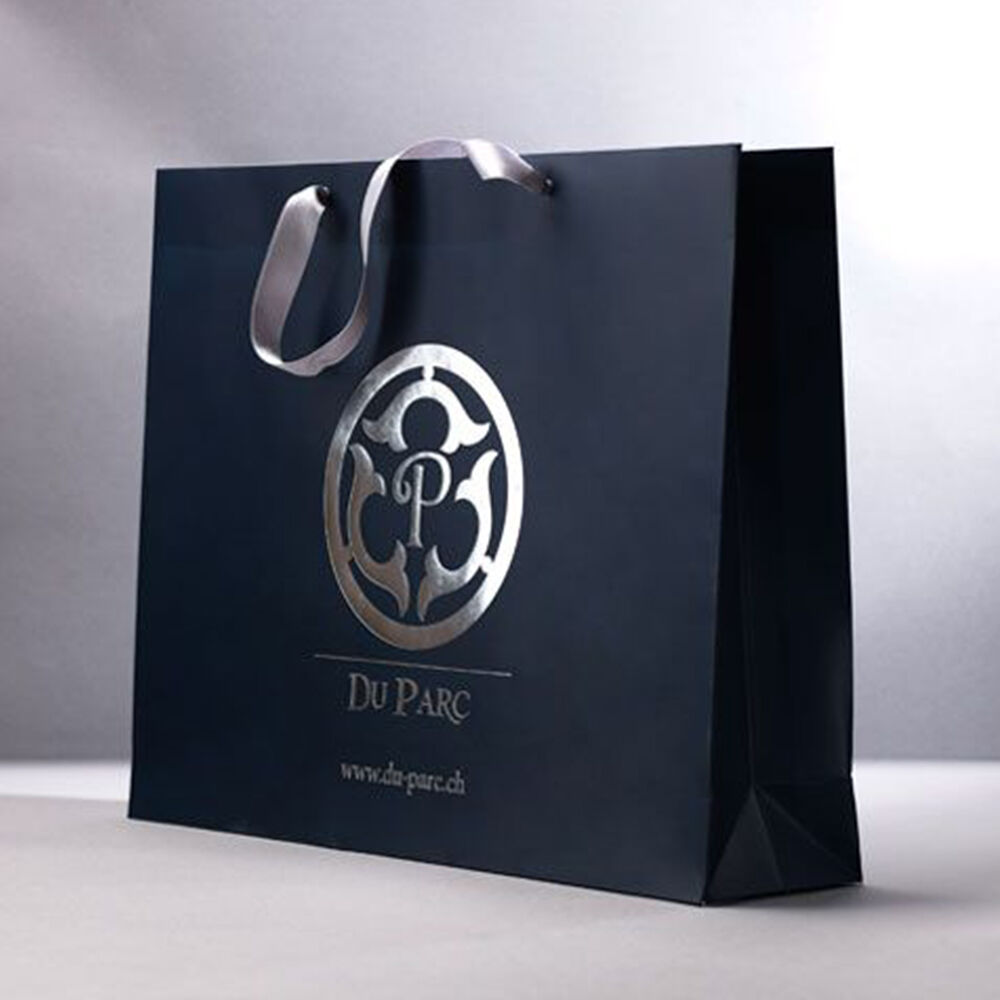
Plastic paper bags function as powerful marketing tools that extend brand visibility and create positive customer impressions far beyond the initial purchase transaction, delivering ongoing promotional value that justifies their selection over generic packaging alternatives. The paper exterior surface provides an ideal canvas for implementing comprehensive branding strategies through high-quality graphics, logos, taglines, and product information that communicate your company identity effectively. Unlike smooth plastic surfaces that present printing challenges and may produce graphics with limited vibrancy, the paper component accepts ink readily and reproduces colors with exceptional fidelity and detail. This printability advantage enables sophisticated designs incorporating photographic images, complex color gradients, fine typography, and intricate patterns that capture consumer attention and differentiate your products from competitors using plain or poorly branded packaging. Professional graphic presentation elevates perceived product quality and positions your brand as detail-oriented and customer-focused, influencing purchasing decisions and building loyalty among discerning consumers who associate packaging quality with product excellence. The tactile experience of paper also contributes to positive brand perception, as consumers generally respond more favorably to natural textures compared to purely synthetic materials, creating subconscious associations with quality, tradition, and environmental consciousness. Beyond the initial purchase, plastic paper bags continue delivering marketing value through their reusability and extended functional lifespan. Customers frequently repurpose these durable bags for lunch carriers, storage containers, book bags, and various household applications, resulting in repeated brand exposure across diverse settings including workplaces, schools, public transportation, and social gatherings. Each reuse occasion presents your branding to new potential customers who observe the bags being used by existing customers, creating organic word-of-mouth marketing opportunities without additional advertising expenditure. The substantial construction quality that enables this extended use directly reflects on brand perception, with consumers associating bag durability with overall company reliability and product quality. Customization options for plastic paper bags enable businesses to implement seasonal marketing campaigns, limited edition designs, and special event promotions that create urgency and collectibility, encouraging customers to retain bags as keepsakes rather than discarding them immediately after use. Some businesses leverage this potential by creating deliberately attractive designs that customers want to display and reuse, effectively transforming packaging into fashion accessories and lifestyle statements that align with target demographic preferences. The combination of professional appearance, practical functionality, and extended usability makes plastic paper bags a cost-effective marketing investment that delivers measurable returns through enhanced brand recognition, improved customer perception, and increased organic visibility in diverse consumer environments.


Get a Free Quote

Our representative will contact you soon.
Email
Name
Company Name
Message
0/1000