Plain Paper Bags - Eco-Friendly Versatile Packaging Solutions for Retail and Food Service

Get a Free Quote

Our representative will contact you soon.
Email
Name
Company Name
Message
0/1000

plain paper bags

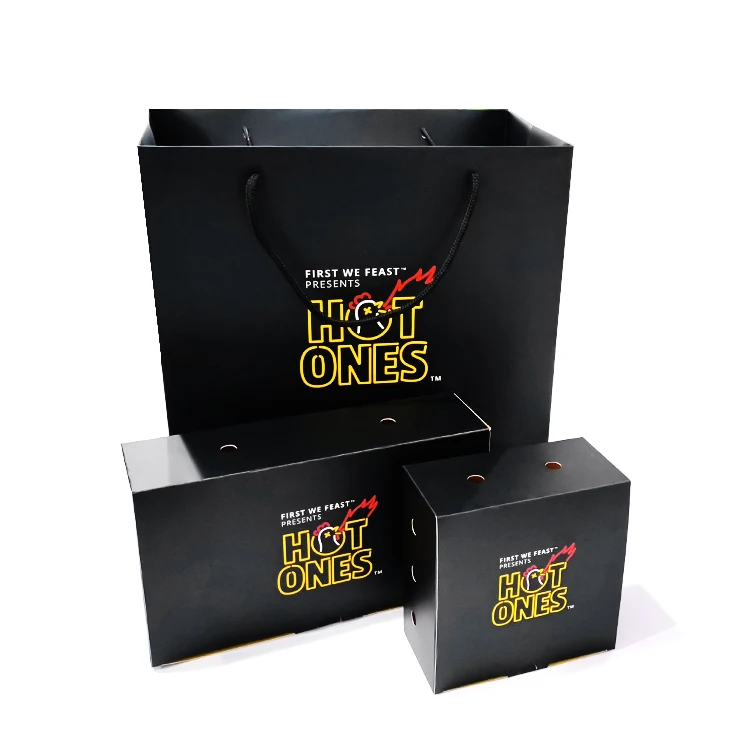
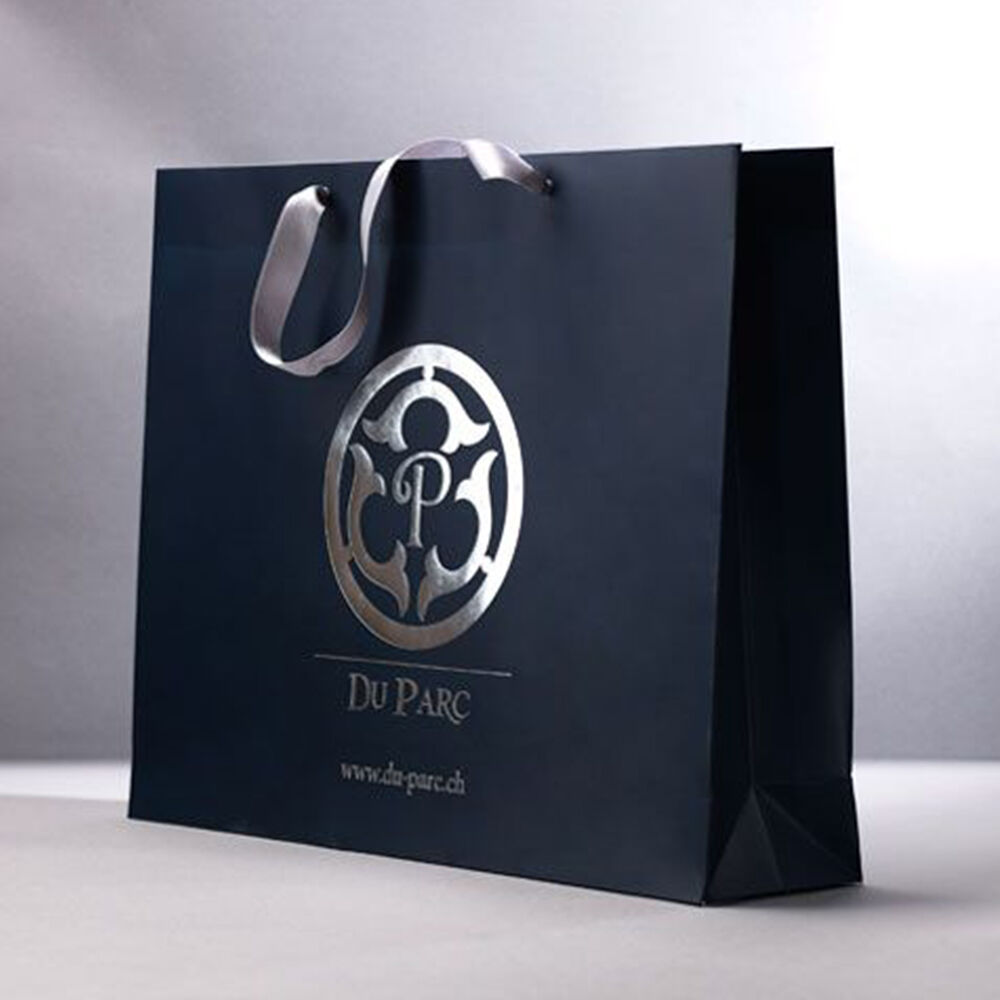
Plain paper bags represent a versatile and environmentally responsible packaging solution that has gained tremendous popularity across retail, food service, and commercial sectors worldwide. These simple yet effective carriers are manufactured from kraft paper or recycled paper materials, offering a biodegradable alternative to plastic bags while maintaining structural integrity and functionality. Plain paper bags serve multiple essential functions in modern commerce, primarily providing a convenient method for transporting purchased goods, groceries, takeout meals, and various products from point of sale to final destination. The technological features behind plain paper bags include advanced paper manufacturing processes that enhance tensile strength, tear resistance, and load-bearing capacity, ensuring these bags can safely carry items ranging from lightweight clothing to moderately heavy groceries. The production process involves carefully selected pulp materials that undergo refining, pressing, and drying stages to create paper with optimal thickness and durability characteristics. Plain paper bags come in numerous sizes and configurations, from small merchandise bags to large grocery carriers, with options for flat handles, twisted handles, or reinforced rope handles depending on intended applications. These bags find extensive use in supermarkets, boutique stores, bakeries, restaurants, farmers markets, gift shops, and promotional events. The applications extend beyond simple carrying purposes, as businesses utilize plain paper bags for brand building through custom printing, creating memorable unboxing experiences, and demonstrating environmental commitment to increasingly eco-conscious consumers. The neutral appearance of plain paper bags provides an excellent canvas for customization while maintaining a clean, professional aesthetic that complements diverse business identities. Modern manufacturing techniques ensure consistent quality standards, uniform dimensions, and reliable performance characteristics that meet commercial demands. Plain paper bags effectively balance functionality with sustainability, addressing growing regulatory pressures to reduce plastic waste while delivering practical benefits that satisfy both business operators and end consumers in various market segments.

Popular Products

Plain paper bags deliver numerous practical benefits that make them an intelligent choice for businesses and consumers seeking reliable, sustainable packaging solutions. The foremost advantage lies in their exceptional environmental credentials, as these bags decompose naturally within weeks when exposed to outdoor conditions, unlike plastic alternatives that persist in landfills for hundreds of years. This biodegradability significantly reduces environmental impact and helps businesses align with corporate sustainability goals while meeting increasingly stringent environmental regulations implemented across many jurisdictions. Plain paper bags offer remarkable versatility in accommodating diverse products, from delicate pastries to sturdy hardware items, with various weight capacities available to match specific requirements. The natural strength of paper fibers, particularly in kraft paper varieties, provides surprising durability that withstands normal handling stresses during transportation and storage. Customers appreciate the comfortable carrying experience these bags provide, as soft paper handles or reinforced options distribute weight evenly and prevent hand discomfort during transport. Plain paper bags present significant cost advantages compared to custom-printed alternatives, allowing businesses to maintain inventory flexibility without committing to large minimum orders of branded packaging, making them ideal for startups, seasonal businesses, or companies testing new markets. The neutral surface accepts stamps, stickers, and labels easily, enabling quick customization for special promotions or personalized gift packaging without expensive printing processes. These bags stack efficiently in storage areas, occupying minimal space compared to rigid packaging alternatives, which reduces warehousing costs and simplifies inventory management. Plain paper bags contribute to positive brand perception, as modern consumers increasingly favor businesses demonstrating environmental responsibility through sustainable packaging choices. The breathable nature of paper prevents moisture accumulation, making these bags particularly suitable for fresh baked goods, produce, and items requiring air circulation to maintain quality. Retailers benefit from the universal appeal of plain paper bags, which complement any store aesthetic without clashing with interior design choices or brand colors. The recyclability of paper bags extends their environmental benefits, as customers can easily include used bags in curbside recycling programs, contributing to circular economy principles. Businesses experience fewer regulatory complications when using plain paper bags, avoiding plastic bag taxes or bans implemented in numerous cities and countries worldwide. The lightweight construction reduces shipping costs when ordering supplies and minimizes the physical burden on staff handling packaging materials throughout busy retail operations. Plain paper bags provide excellent value propositions by combining affordability, functionality, and environmental benefits in a single packaging solution that satisfies diverse stakeholder expectations.

Practical Tips

How to Embed AR Tech into Calendar for Better Brand Interaction?

06

May

How to Embed AR Tech into Calendar for Better Brand Interaction?

Augmented reality is transforming how brands connect with their audiences, moving beyond passive visual experiences to create immersive touchpoints that drive engagement and recall. For businesses seeking innovative ways to maintain year-round brand ...
View More
How to Maintain Stored Shipping Box to Prevent Weakening?

06

May

How to Maintain Stored Shipping Box to Prevent Weakening?

Maintaining stored shipping boxes in optimal condition is critical for businesses that rely on packaging inventory to fulfill orders efficiently and protect products during transit. When shipping boxes are stored improperly or for extended periods, t...
View More
Why Do Patent Printing Techs Make Brochure Image Details Stunning?

06

May

Why Do Patent Printing Techs Make Brochure Image Details Stunning?

In the competitive landscape of corporate marketing and brand communication, the visual impact of printed brochures can determine whether a prospective client engages with your message or discards it within seconds. Businesses investing in high-quali...
View More
How to Define Brand Tone via Magazine Paper Texture and Binding?

06

May

How to Define Brand Tone via Magazine Paper Texture and Binding?

Brand tone is not merely communicated through words and images—it extends deeply into the tactile and visual qualities of the physical materials you choose for your printed publications. When readers hold a magazine, catalog, or brochure, the magazin...
View More

Get a Free Quote

Our representative will contact you soon.
Email
Name
Company Name
Message
0/1000

plain paper bags

Superior Eco-Friendly Composition and Environmental Impact

Superior Eco-Friendly Composition and Environmental Impact

Plain paper bags stand at the forefront of sustainable packaging solutions, manufactured from renewable forest resources that can be responsibly managed through certified forestry programs ensuring continuous regeneration of raw materials. The environmental advantages of plain paper bags extend far beyond their natural origins, encompassing their complete lifecycle from production through disposal. Unlike petroleum-based plastic bags that require fossil fuel extraction and energy-intensive manufacturing processes, plain paper bags utilize wood pulp from sustainably harvested trees, a renewable resource that actively removes carbon dioxide from the atmosphere during growth. The production process for plain paper bags has evolved significantly, with modern mills implementing cleaner technologies that reduce water consumption, minimize chemical usage, and recover energy from manufacturing byproducts. When plain paper bags reach the end of their useful life, they biodegrade naturally in composting environments within just weeks, breaking down into organic matter that enriches soil rather than fragmenting into persistent microplastics that contaminate ecosystems. This biodegradability represents a crucial advantage in addressing the global waste crisis, as plain paper bags do not accumulate in oceans, waterways, or natural habitats where they could harm wildlife. Consumers can dispose of plain paper bags through multiple responsible channels, including municipal recycling programs that reprocess paper fibers into new products, home composting systems where bags decompose alongside organic waste, or general waste streams where natural decomposition occurs in landfills without releasing toxic substances. The recyclability of plain paper bags creates circular economy opportunities, as recovered paper fibers can be reprocessed multiple times before fiber length degrades beyond useful applications. Businesses adopting plain paper bags demonstrate tangible environmental commitment that resonates with increasingly eco-conscious consumers who make purchasing decisions based partly on corporate sustainability practices. This alignment with consumer values translates into competitive advantages, enhanced brand reputation, and stronger customer loyalty. Many regions worldwide have implemented regulatory frameworks that restrict or tax plastic bag usage while encouraging paper alternatives, making plain paper bags not just environmentally preferable but often legally advantageous. The carbon footprint of plain paper bags, when considering responsible forestry and modern manufacturing, compares favorably to alternatives, especially when end-of-life disposal is factored into comprehensive lifecycle assessments. Organizations pursuing environmental certifications or sustainability reporting find plain paper bags contribute positively to metrics tracking packaging waste reduction and renewable material usage.
Exceptional Versatility Across Commercial Applications

Exceptional Versatility Across Commercial Applications

Plain paper bags demonstrate remarkable adaptability across an extensive spectrum of commercial applications, serving businesses ranging from small artisan shops to large retail chains with equal effectiveness. The versatility of plain paper bags manifests in multiple dimensions, including size variations that accommodate everything from small jewelry items to bulk grocery purchases, handle configurations that suit different carrying preferences and weight requirements, and paper weights that balance cost considerations with durability needs. Retail environments particularly benefit from the universal applicability of plain paper bags, as clothing boutiques, bookstores, gift shops, and general merchandise retailers all find these bags suitable for their diverse product ranges. The food service industry relies heavily on plain paper bags for takeout orders, bakery products, and grocery items, as the breathable paper material prevents condensation buildup that could compromise food quality while maintaining structural integrity when carrying moderately heavy or warm items. Farmers markets and organic food vendors favor plain paper bags for their natural aesthetic that aligns with wholesome, environmentally conscious brand positioning, while the bags' strength adequately supports fresh produce, artisanal goods, and packaged products. Event organizers utilize plain paper bags for conference materials, promotional items, and gift bag assemblies, appreciating the neutral appearance that accommodates diverse contents without visual conflicts. The hospitality sector employs plain paper bags for guest amenities, retail shop purchases within hotels, and takeaway services from on-site restaurants. Healthcare facilities find plain paper bags useful for patient belongings, pharmacy dispensing, and hospital gift shop operations, with the clean appearance meeting institutional aesthetic standards. Educational institutions incorporate plain paper bags into bookstore operations, fundraising events, and administrative material distribution. The customization potential of plain paper bags enhances their versatility, as businesses can easily apply stamps, stickers, or ribbon closures to transform basic bags into personalized packaging that reflects specific occasions, seasonal themes, or promotional campaigns. Plain paper bags accommodate both lightweight and moderately heavy items, with reinforced bottom gussets and handle attachments engineered to distribute weight effectively and prevent tearing during normal use. The variety of available sizes ensures optimal fit for different products, reducing unnecessary material usage while providing adequate protection and professional presentation. Businesses appreciate the flexibility plain paper bags offer in inventory management, as standardized sizes serve multiple purposes and reduce the complexity of maintaining extensive packaging assortments. The universal recognition and acceptance of plain paper bags eliminate customer confusion, as recipients immediately understand how to use, carry, and dispose of these familiar items.
Outstanding Cost-Effectiveness and Operational Efficiency

Outstanding Cost-Effectiveness and Operational Efficiency

Plain paper bags deliver exceptional financial value through multiple cost-saving mechanisms that benefit businesses of all scales, from independent entrepreneurs to established enterprises seeking to optimize packaging expenditures. The economic advantages begin with competitive unit pricing, as plain paper bags typically cost significantly less than custom-printed alternatives while still providing fully functional packaging that meets customer needs and protects purchased items during transport. This affordability stems from standardized manufacturing processes that achieve economies of scale, allowing producers to offer attractive pricing on both large volume orders and smaller quantities suitable for businesses with modest requirements. Plain paper bags eliminate the substantial setup costs associated with custom printing, including design fees, printing plate production, and minimum order quantities that often force businesses to purchase excess inventory that may become obsolete before depletion. The financial flexibility plain paper bags provide proves particularly valuable for seasonal businesses, startups testing market reception, or established companies introducing new product lines where packaging needs remain uncertain. Businesses can order plain paper bags as needed, reducing capital tied up in packaging inventory and minimizing storage space requirements for bulky packaging materials. The operational efficiency gains from using plain paper bags extend beyond direct purchase costs to encompass labor savings, as staff can quickly grab appropriately sized bags without sorting through numerous custom options or matching specific bags to particular products. Inventory management simplifies dramatically when businesses maintain a streamlined selection of plain paper bags rather than coordinating multiple custom-printed versions for different departments, seasons, or promotional periods. The lightweight construction of plain paper bags reduces shipping costs when ordering supplies, as transportation expenses correlate directly with package weight and dimensional characteristics. Retailers experience faster checkout processes when using plain paper bags, as the straightforward bagging operation requires minimal training and allows staff to serve customers efficiently during peak traffic periods. The storage efficiency of plain paper bags contributes to operational cost savings, as flat-packed bags occupy minimal warehouse or backroom space compared to rigid boxes or pre-formed containers. Businesses can implement quality customization using cost-effective methods like rubber stamps, adhesive labels, or simple ribbon closures that transform plain paper bags into personalized packaging without the expense of professional printing services. The universal applicability of plain paper bags across diverse products reduces packaging complexity and the associated errors that occur when staff must match specific bags to particular items, decreasing waste from incorrect selections. Plain paper bags support lean inventory practices by serving multiple purposes, allowing businesses to maintain adequate packaging supplies without excessive variety that complicates purchasing decisions and storage logistics. The durability of quality plain paper bags prevents product damage during transport, reducing costs associated with returns, replacements, or customer dissatisfaction resulting from packaging failures. Long-term relationships with plain paper bag suppliers often yield volume discounts and favorable payment terms that further enhance cost-effectiveness while ensuring consistent supply chain reliability that prevents stock-outs during critical business periods.

Get a Free Quote

Our representative will contact you soon.
Email
Name
Company Name
Message
0/1000