
 EN



At an industrial expo, a brochure does more than present company information. It helps a booth earn attention, gives visitors a clear explanation of complex offerings, and leaves them with something useful after a conversation ends. When planned around expo goals, a brochure supports the visitor journey from first glance to considered follow-up, rather than serving as decoration or a generic handout.
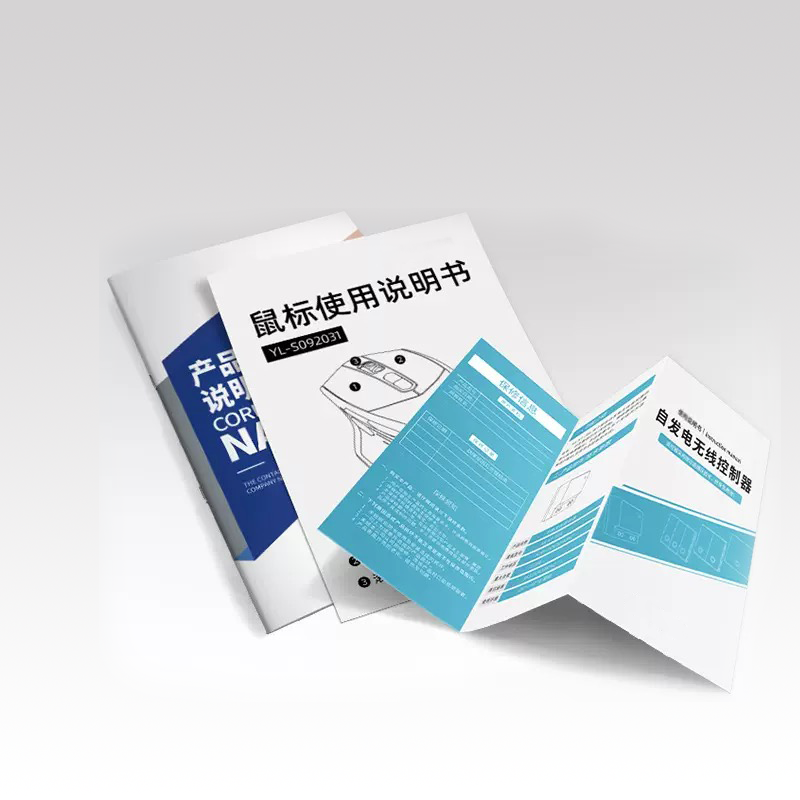
The value of a brochure depends on how well it fits the audience, the exhibit, and the sales process. A strong brochure gives engineers, procurement teams, and operations leaders a practical way to understand what is being offered. It also helps staff tell a consistent story when booth traffic is busy, making the brochure a working part of the exhibit plan.
How a brochure attracts and qualifies visitors
Creating a clear first impression
At a crowded expo, visitors make quick decisions about which displays deserve attention. A brochure can communicate the company’s focus through a clear headline, relevant image, and concise description of the industrial challenge addressed. This makes the brochure a visual invitation, helping a passerby decide whether a conversation is relevant before approaching the booth.
The brochure should make its subject easy to recognize without relying on dense technical copy. A product category, application, or process can be introduced in plain language, followed by details for readers who want more. In this way, a brochure serves both a quick scan and a closer review, while keeping the booth message focused on the visitor’s needs.
Helping staff start useful conversations
A brochure can give booth staff a natural starting point for discussion. A page focused on a specific application invites questions about operating conditions, integration, or project timing. The brochure also helps staff qualify interest by showing which details attract attention, giving the conversation a practical direction instead of relying on a general pitch.
For a technical audience, a brochure can organize information that is difficult to explain in a short exchange. A diagram, process overview, or application summary gives both people a shared reference. That shared reference can make a conversation more specific, and the brochure lets visitors revisit a useful detail without needing to remember every point from the discussion.
How a brochure explains industrial value
Making complex offerings easier to understand
Industrial solutions may involve multiple components, operating stages, or technical requirements. A brochure can arrange these details in a deliberate sequence, beginning with the challenge and moving through the solution, application, and relevant specifications. This structure helps a reader understand the offering at their own pace, while the brochure supports a more coherent explanation from booth staff.
A useful brochure distinguishes essential information from supporting detail. Readers may need an overview first, then capacities, material considerations, compatibility notes, or process information. Clear headings and restrained copy help them navigate these layers. Rather than treating the brochure as a miniature catalog, plan it as a guide to the information expo visitors are most likely to need.
Building confidence with relevant evidence
A brochure can strengthen a claim by connecting it to concrete, approved information. Depending on the offering, this may include process diagrams, documented features, application examples, or clear explanations of service scope. The brochure should avoid unsupported promises and present technical details accurately, so visitors can use it as a credible reference after leaving the exhibit.
Design choices also affect whether a brochure feels dependable. Consistent terminology, legible type, accurate diagrams, and careful proofreading all signal attention to detail. For industrial buyers, the brochure is part of the company’s professional communication, not just a piece of print. The content should therefore match what sales and technical teams can explain and substantiate.
How a brochure extends expo engagement
Giving visitors a useful takeaway
After several booth conversations, visitors may struggle to recall which company discussed each solution. A brochure helps preserve the main message and gives them a physical reminder to review later. Its usefulness increases when the brochure includes a clear next step, such as a relevant web page, contact route, or request for a technical discussion.
The takeaway should reflect the visitor’s likely role. An engineer may value a process explanation, while a purchasing contact may need a concise overview of scope and application. A brochure can serve both audiences if information is organized clearly, but targeted versions may be more helpful when the expo serves distinct markets. Match the brochure to the conversation rather than distributing material without context.
Supporting organized follow-up
A brochure can make post-expo follow-up more relevant when staff connect it to notes from the conversation. A sales representative can refer to a particular page or application and continue from the visitor’s stated interest. The brochure then becomes a shared reference, not a substitute for personal follow-up or a reason to send the same message to every lead.
Planning the brochure alongside lead capture improves continuity. Staff can record which topic mattered, what questions remain, and whether the visitor requested further information. After the event, those notes help determine whether the brochure alone is sufficient or whether a technical call is appropriate. A tailored follow-up makes the brochure more useful and keeps the next interaction tied to the visitor’s priorities.
Production decisions should also reflect how the brochure will be used at the expo. Consider how visitors will carry it, how staff will restock it, and whether the format suits the amount of information included. A compact brochure may be convenient for quick handouts, while a more detailed format can support technical discussions. Select paper, fold, and finish for practical handling and clear reading.
Before approving the brochure, review it from the perspective of a first-time visitor. Can someone identify the subject quickly, understand the main value, and find a next step? Check that technical language is explained where needed and that contact details are current. A focused brochure performs its expo role when its design, message, and follow-up purpose work together.
FAQ
What information should an industrial expo brochure include?
An industrial brochure should explain the offering, relevant applications, and the details visitors need to decide whether to continue the discussion. Include accurate technical information, a clear contact route, and a useful next step. Keep the brochure focused on the expo audience rather than trying to cover every company capability.
Should every expo visitor receive the same brochure?
Not necessarily. A general brochure can introduce the company, but a more focused brochure may better serve visitors with distinct technical or purchasing interests. Staff should use the conversation to choose relevant material and explain why it matters, rather than handing out a brochure without context.
How can a brochure support follow-up after an expo?
Refer to the brochure’s relevant section in a personalized follow-up and connect it to the visitor’s questions or project needs. Pairing the brochure with accurate conversation notes helps staff offer a useful next step, such as a technical meeting or additional information, instead of sending a generic message.