
 EN
EN



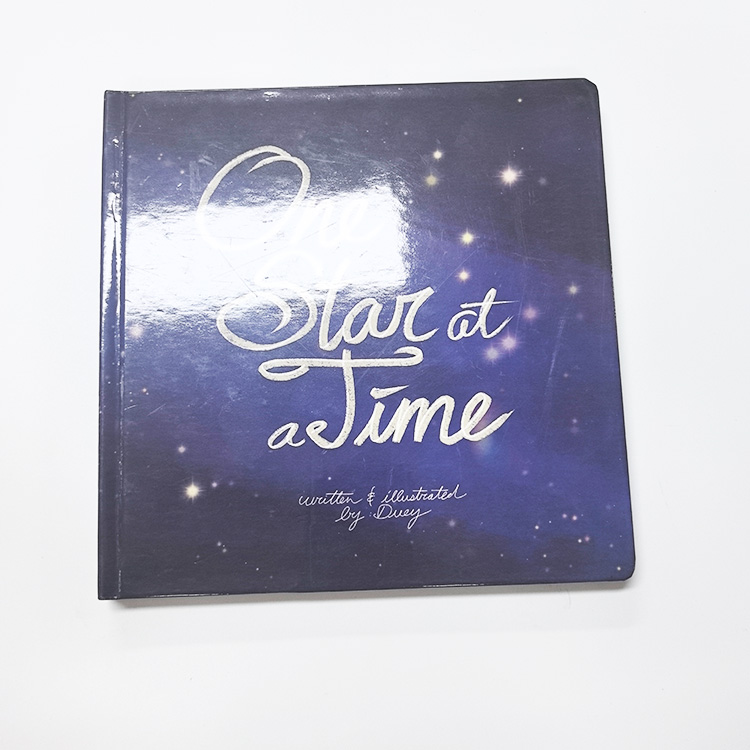
Book printing has long been a cornerstone of how knowledge is shared, but its role in education is evolving well beyond the traditional textbook. Today, schools, tutoring centers, and educational publishers are finding fresh, meaningful ways to use book printing to enrich the learning experience. From custom story books designed for early readers to specialized curriculum guides built for specific grade levels, book printing is giving educators more control, more creativity, and more impact than ever before. Understanding these innovative applications can help institutions make smarter decisions about how they develop and distribute learning materials.
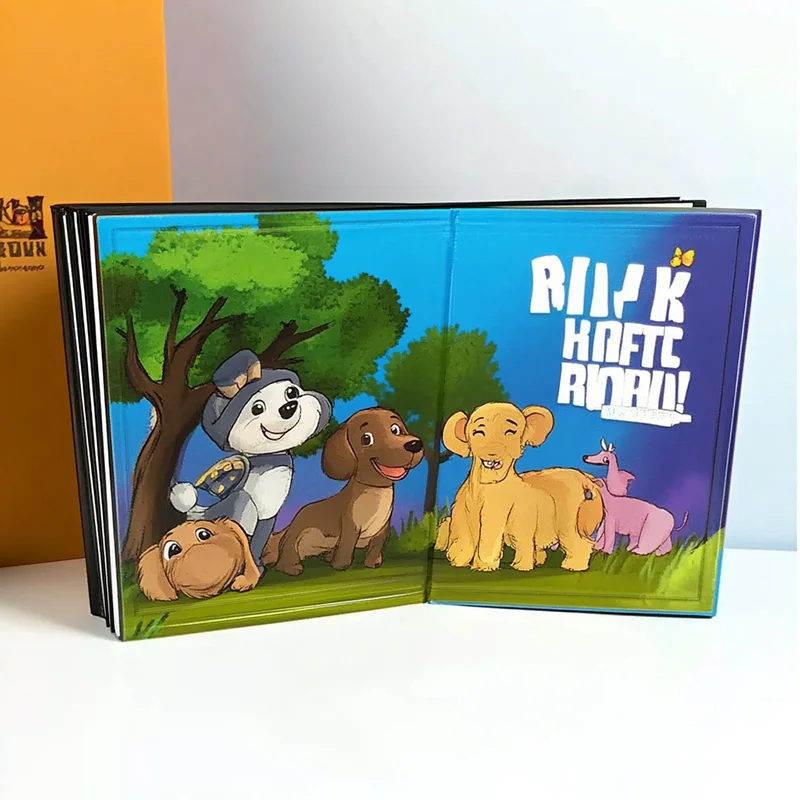
The shift toward customized, purpose-built educational content has made book printing more relevant in classrooms worldwide. Rather than relying solely on mass-produced volumes that may not align with local curricula, educators are turning to targeted book printing solutions to produce materials that speak directly to their students. This article explores the most innovative uses of book printing in education today, covering everything from early childhood literacy to professional teacher training resources.
Book Printing for Early Childhood and Literacy Development
Custom Story Books for Young Learners
One of the most impactful uses of book printing in early education is the production of custom story books tailored to young readers. Book printing allows educators and curriculum designers to create narratives that reflect the cultural backgrounds, languages, and environments of their specific student populations. When children see familiar settings and characters in a printed book, engagement and comprehension improve significantly. Book printing for this age group often uses vivid full-color illustrations, large readable fonts, and durable hardcover bindings that withstand the wear of daily classroom use. A well-crafted book printing solution using digital offset techniques and duplex cardboard can produce high-quality kids story books at A4 or A5 sizes, offering both visual appeal and structural durability.
Beyond storytelling, book printing supports phonics workbooks, alphabet guides, and early math books that teachers can customize by difficulty level. This flexibility makes book printing an essential tool in differentiated instruction, where each student group receives content matched to their current learning stage. Schools that invest in tailored book printing for early childhood programs often report stronger foundational literacy outcomes and higher student confidence.
Interactive Activity Books and Workbooks
Book printing also enables the production of interactive activity books and fill-in workbooks that turn passive reading into active learning. These printed materials can include puzzles, tracing exercises, drawing prompts, and comprehension questions — all formatted specifically for a school's learning objectives. Because book printing allows custom sizing and layout, educators can design workbooks that flow logically from one concept to the next. The physical act of writing and drawing in a printed book reinforces memory and motor skill development in ways that purely digital tools cannot replicate. Book printing for workbooks is often produced in short runs, making it cost-effective even for small classrooms or specialized programs.
Book Printing for Curriculum Customization and Resource Building
Subject-Specific Textbooks and Reference Guides
Beyond primary school, book printing plays a critical role in building subject-specific textbooks and reference guides at the secondary and post-secondary level. Institutions that follow unique or blended curricula often find that standard commercial textbooks do not fully match their teaching sequence or content requirements. Custom book printing solves this problem by allowing schools and universities to produce their own course materials with precisely the right content, in the right order, at the right reading level. Book printing for academic use commonly involves professional layout design, indexed chapters, and high-resolution diagrams that support complex subjects like science, engineering, and history. The ability to update and reprint course materials annually through book printing also means that outdated information can be corrected quickly without waiting for a new commercial edition.
This application of book printing is particularly valuable for vocational training programs, where curriculum changes frequently as industry standards evolve. Technical manuals, safety handbooks, and skills-based guides produced through book printing can be updated each semester, ensuring students always learn from current, relevant content. Book printing at this level requires precise attention to quality, formatting, and binding to maintain a professional appearance.
Teacher Resource Books and Lesson Plan Compilations
Book printing is also being used to create comprehensive teacher resource books that consolidate lesson plans, assessment frameworks, and instructional strategies into one organized reference. Instead of scattered digital files, book printing gives teachers a tangible, easy-to-use guide they can annotate and reference during class. Schools that use book printing for teacher resources often find it improves instructional consistency across departments. Book printing for these compilations typically involves spiral or perfect binding formats, making the books easy to lay flat and browse quickly during active teaching sessions.
Book Printing for Inclusive and Specialized Education
Books for Special Needs and Inclusive Classrooms
Another innovative use of book printing in education is developing materials for students with special educational needs. Book printing can produce large-print editions, high-contrast visual guides, tactile-friendly layouts, and simplified language versions of standard curriculum content. These customized outputs through book printing ensure that no student is left out of the learning process due to accessibility barriers. Educational institutions working with speech therapists, occupational therapists, and special education coordinators often commission specific book printing runs to create materials precisely designed for their students' needs. The result is a more inclusive classroom environment supported by thoughtful, targeted book printing.
Multilingual and Cultural Education Books
Book printing also supports multilingual education programs by producing bilingual or multilingual versions of the same content. Schools with diverse student populations can use book printing to create side-by-side translations, culturally relevant illustrations, and heritage language reading materials. This application of book printing is especially valuable in international schools, community education centers, and language immersion programs. The ability to produce short-run, customized multilingual books through book printing removes the barrier of minimum order requirements that often make commercial publishing impractical for niche educational contexts. Book printing empowers educators to serve every learner with materials that respect their language and background.
FAQ
What formats are commonly used in educational book printing?
Educational book printing commonly uses formats such as A4 and A5 sizes, with options for hardcover, softcover, spiral, and perfect binding. The format chosen in book printing depends on the intended audience, whether the material is a workbook, storybook, or reference guide, and the durability requirements of the classroom environment.
Is book printing cost-effective for small schools or individual classrooms?
Yes, modern book printing technology supports short-run production, which means even small schools or individual teachers can commission book printing without needing to order hundreds of copies. Digital book printing methods have significantly lowered the per-unit cost of small runs, making custom educational materials accessible to institutions of all sizes.
How does book printing support differentiated learning?
Book printing supports differentiated learning by allowing educators to produce multiple versions of the same material at different reading levels, formats, or languages. Through targeted book printing, a teacher can equip advanced students, grade-level learners, and struggling readers with content specifically designed for their individual needs, all within the same lesson plan framework.