
 EN
EN


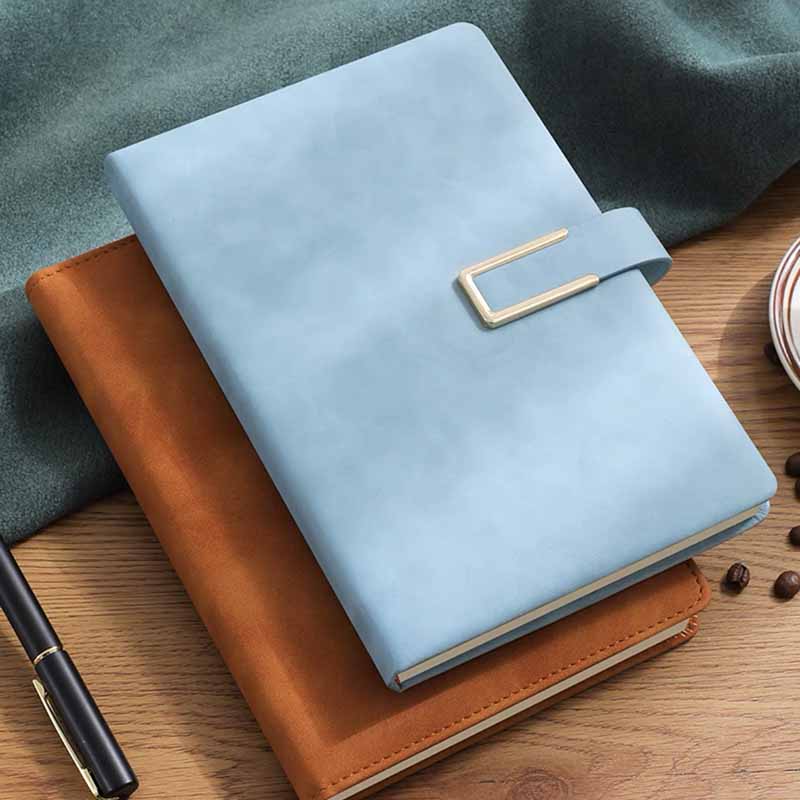
When durability and professional finish matter most in book production, patent binding stands out as a preferred technique among printers and publishers alike. From custom diaries to corporate notebooks, patent binding delivers a structural integrity that ordinary adhesive or staple methods simply cannot match. Understanding why patent binding has become so central to high-quality book printing helps buyers, designers, and print professionals make smarter sourcing decisions.
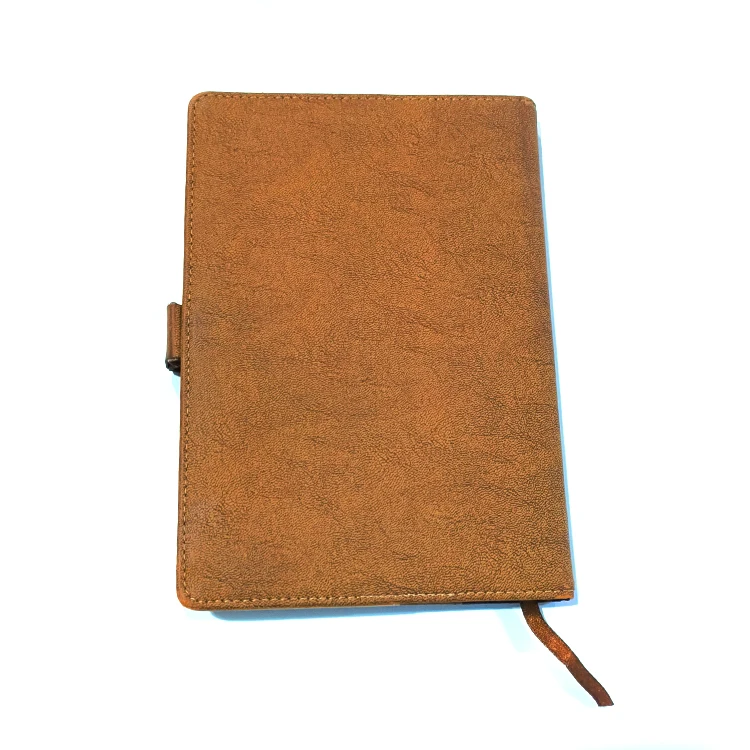
The term patent binding refers to a method of book construction that uses a patented or specialized mechanical process to secure pages firmly within a cover. This approach is widely used in spiral diaries, PVC-covered notebooks, and custom print products where longevity and user experience are non-negotiable priorities. As the print industry evolves, patent binding continues to gain traction because it solves real durability problems that traditional binding methods leave unresolved.
The Structural Advantages of Patent Binding
How Patent Binding Reinforces Page Integrity
One of the most compelling reasons patent binding is favored in professional book printing is its ability to reinforce page integrity across heavy daily use. Traditional adhesive binding tends to crack or peel after repeated opening and closing, especially in products like planners and journals that are used constantly. Patent binding addresses this weakness by securing pages through a mechanically stable system that distributes stress evenly along the spine. This means each page remains firmly attached even after months or years of regular use.
Patent binding also supports lay-flat functionality, which is critical for notebooks and diaries where users write across the full page spread. When a book opens completely flat without resistance, it improves the writing and reading experience significantly. This flat-open performance is a direct result of the flexible yet firm structure that patent binding creates between the cover and the page block.
Patent Binding and Cover Compatibility
Another key structural benefit of patent binding is its compatibility with a wide range of cover materials, including PVC, hardcover board, and flexible kraft stock. Patent binding can be applied to products with custom-designed covers without compromising the binding strength. This flexibility makes patent binding especially valuable for branded print products where aesthetics and durability must work together seamlessly. Publishers and corporate clients who require custom cover designs rely on patent binding to maintain professional quality throughout the product lifecycle.
Why Patent Binding Outperforms Conventional Methods
Comparing Patent Binding to Saddle Stitching and Thread Binding
Saddle stitching and thread binding are both established methods in the printing industry, but they serve different use cases compared to patent binding. Saddle stitching works well for thin booklets and catalogs but loses structural reliability when applied to thicker publications. Thread binding provides good internal cohesion for pages but can be more expensive to produce at scale. Patent binding fills the gap by offering a cost-effective, scalable solution that handles both thin and moderately thick book blocks with consistent quality. For products like custom diaries and spiral notebooks, patent binding delivers a reliability that these alternatives often cannot replicate.
Loose-leaf binding, while highly customizable, lacks the sealed durability of patent binding since pages can be removed and reinserted freely. In contrast, patent binding creates a permanent, stable structure that is ideal for products meant to be used as complete units. Buyers choosing between loose-leaf and patent binding should consider how the end user will interact with the product daily. For items that need to hold together under constant pressure, patent binding remains the superior choice.
The Role of Patent Binding in Long-Term Print Value
From a value perspective, patent binding directly reduces product return rates and customer complaints related to binding failures. A book that falls apart undermines brand credibility, especially for corporate gifting or premium retail markets. Patent binding minimizes this risk by ensuring that the physical product performs as expected throughout its intended lifespan. Print buyers who invest in patent binding upfront typically see better customer satisfaction and fewer replacement costs over time. This long-term value proposition makes patent binding a smart financial decision in addition to a technical one.
Practical Applications of Patent Binding in Custom Print Products
Patent Binding in Diary and Notebook Manufacturing
Custom diaries and spiral notebooks represent some of the most common applications of patent binding in commercial printing. These products are opened and closed hundreds of times, written in daily, and often carried in bags or briefcases where they experience physical stress. Patent binding ensures that the spine and page block remain intact under these conditions. When combined with a PVC or durable hardcover, patent binding creates a finished product that maintains its shape, structure, and functionality from first use to last. This is why many professional printing services recommend patent binding for diary production as a standard quality measure.
Choosing Patent Binding for Custom-Designed Print Orders
For businesses ordering custom-designed books or branded stationery, patent binding offers an important combination of visual appeal and physical resilience. Custom options such as foil stamping, debossing, or spot UV on covers can all be applied to products using patent binding without interfering with the binding mechanism. This means patent binding does not limit creative flexibility but instead supports it by providing a stable foundation for premium finishing techniques. Companies looking to produce high-end branded notebooks, planners, or presentation books will find that patent binding aligns with both their quality standards and their design ambitions. Choosing patent binding for a custom print order signals a commitment to product excellence that customers and end users will notice immediately.
FAQ
What makes patent binding more durable than standard glue binding?
Patent binding uses a mechanically reinforced system that distributes stress across the spine more evenly than adhesive-only methods. Standard glue binding tends to degrade with heat, moisture, and repeated flexing, while patent binding maintains its structural integrity under those same conditions. This makes patent binding a more reliable choice for high-use print products.
Is patent binding suitable for short print runs or only large production volumes?
Patent binding can be applied to both short and large print runs, though the cost per unit may vary depending on volume. For custom orders such as branded diaries or corporate notebooks, patent binding remains practical even at lower quantities because the quality benefit justifies the investment. Many professional print suppliers offer patent binding as a standard option across various order sizes.
Can patent binding be combined with custom cover materials and finishes?
Yes, patent binding is highly compatible with a wide variety of cover materials including PVC, hardboard, and flexible covers. Finishing techniques such as lamination, embossing, and foil printing can all be applied to the cover without affecting the patent binding mechanism. This compatibility makes patent binding an ideal foundation for fully customized, premium-quality print products.