
 EN
EN



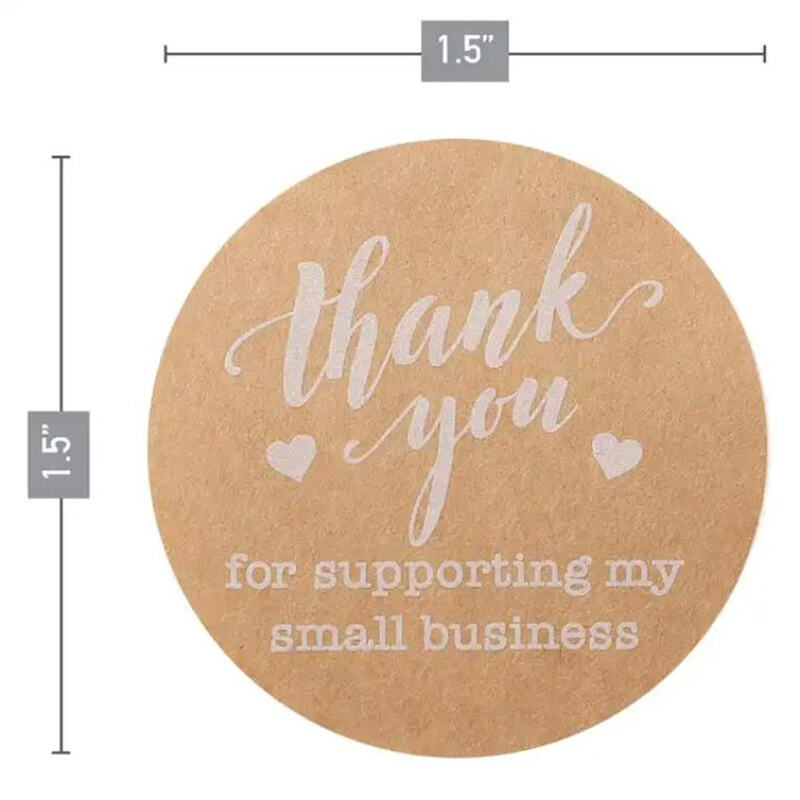
Promotional sticker campaigns have evolved from simple brand markings into sophisticated marketing instruments that drive consumer engagement, brand recall, and measurable conversion outcomes across multiple touchpoints. Understanding the strategic application of sticker materials in promotional contexts requires examining how these tactile brand assets function within integrated marketing ecosystems, how placement decisions influence perception, and how design specificity aligns with campaign objectives. The following comprehensive analysis explores proven application strategies that transform sticker implementations from decorative additions into revenue-generating promotional tools.

Effective sticker deployment in promotional strategies demands careful consideration of audience psychology, distribution channel characteristics, adhesive substrate compatibility, and campaign measurement frameworks. Businesses leveraging sticker assets must align material selection, dimensional specifications, finish characteristics, and message hierarchy with specific promotional goals—whether driving immediate purchase behavior, building long-term brand affinity, or capturing consumer attention in crowded competitive environments. Strategic sticker application extends beyond aesthetic considerations to encompass behavioral triggers, environmental context optimization, and integration with broader promotional narratives that guide consumer decision journeys.
Strategic Placement Contexts for Promotional Sticker Deployment
Product Packaging Integration as Primary Touchpoint
Incorporating sticker elements directly onto product packaging creates immediate visual differentiation at critical decision moments when consumers evaluate purchase options. This application strategy leverages the sticker format's ability to highlight promotional messages, limited-time offers, or product benefit callouts without requiring complete packaging redesign. The removable nature of certain sticker formulations allows retailers to update promotional messaging seasonally while maintaining core packaging consistency, reducing inventory complexity and enabling agile marketing responses to competitive dynamics or market trend shifts.
Package-applied sticker strategies prove particularly effective when communicating urgency-driven offers, new product launch announcements, or compliance-related information that supplements primary packaging graphics. The tactile dimension of sticker applications adds perceived value through enhanced production quality signals, while strategically positioned adhesive labels draw consumer attention to specific package areas that communicate key purchase motivators. Businesses implementing this approach should ensure sticker adhesive strength matches the expected handling environment, substrate compatibility prevents application failures, and removal characteristics align with consumer expectations regarding package integrity.
Point-of-Purchase Environment Optimization
Retail environments present numerous strategic opportunities for sticker deployment that guides consumer navigation, highlights promotional zones, and creates visual momentum toward featured product categories. Floor-applied sticker graphics direct foot traffic patterns toward promotional displays, while shelf-edge sticker applications flag discounted items or new arrivals within dense product assortments. This environmental wayfinding function transforms passive retail spaces into active promotional channels that influence shopping behavior through strategic visual cues positioned along natural sight lines and decision points.
The durability requirements for point-of-purchase sticker applications differ substantially from packaging implementations, necessitating material selections that withstand foot traffic, cleaning protocols, temperature fluctuations, and extended display periods without degradation. Retailers achieving optimal results from this strategy coordinate sticker placement with lighting conditions, ensure color contrast ratios maintain visibility across varied viewing distances, and refresh applications according to schedules that prevent visual fatigue while maintaining promotional urgency perception. Dimensional specifications for retail environment sticker elements must balance attention-capturing scale with space constraints and aesthetic integration within existing store design frameworks.
Product Bundling and Gift-with-Purchase Applications
Promotional sticker sheets included as value-added components within product bundles or gift-with-purchase offers create tangible consumer benefits that extend brand interaction beyond the initial transaction moment. This strategy positions sticker assets as collectible items, personalization tools, or lifestyle accessories that maintain brand visibility within consumer environments long after purchase completion. Sticker collections themed around seasonal campaigns, limited edition releases, or brand collaborations generate secondary market interest and social sharing behaviors that amplify promotional reach organically.
Implementing bundled sticker promotions requires careful consideration of target audience personalization preferences, design aesthetics that align with brand positioning while offering genuine consumer utility, and production quantities that balance perceived exclusivity with distribution scale. Successful campaigns often incorporate sequential release strategies where sticker designs evolve across promotional periods, encouraging repeat purchase behavior among consumers motivated by collection completion. The production cost efficiency of sticker manufacturing relative to alternative premium items makes this application strategy particularly attractive for volume-driven promotional campaigns targeting youth demographics or lifestyle-oriented consumer segments.
Design Configuration Strategies for Promotional Impact
Message Hierarchy and Visual Information Architecture
Effective promotional sticker design requires rigorous message prioritization that ensures critical campaign information registers immediately despite limited physical dimensions and brief consumer attention windows. Primary promotional messages—discount percentages, offer expiration dates, call-to-action directives—must dominate visual hierarchy through size differentiation, color contrast application, and typographic weight variation. Supporting information layers including terms qualifications, website references, or brand taglines occupy secondary visual positions that provide additional context without competing for primary attention allocation.
The compressed information environment characteristic of sticker formats demands simplified visual communication that eliminates decorative elements lacking strategic purpose. Each design component should serve defined promotional objectives, whether establishing brand recognition through logo placement, creating urgency through countdown messaging, or driving specific behaviors through action-oriented language. Testing sticker designs across intended viewing distances and environmental contexts reveals whether message hierarchy translates effectively from digital design environments to physical application scenarios where lighting variation, viewing angles, and surrounding visual noise influence perception outcomes.
Material Finish Selection for Perception Management
The surface finish characteristics of promotional sticker materials significantly influence consumer perception regarding brand positioning, product quality associations, and offer credibility. Glossy finishes communicate premium positioning and vibrant color reproduction suitable for lifestyle brands targeting aesthetic-conscious consumers, while matte finishes project sophistication and understated quality appropriate for professional service promotions or luxury product campaigns. Specialized finishes including metallic effects, holographic patterns, or textured surfaces create differentiation within crowded promotional environments but require careful alignment with overall brand aesthetic standards to avoid perception disconnects.
Material finish decisions also carry functional implications for sticker application success across varied environmental conditions. High-gloss surfaces resist moisture and handling wear but may produce glare under certain lighting conditions that reduces readability, while uncoated matte stocks offer superior writability for personalization but demonstrate lower durability in high-contact applications. Promotional campaigns requiring extended display periods benefit from UV-resistant finish specifications that prevent color fading, while temporary promotions may prioritize cost efficiency over longevity. Strategic finish selection balances aesthetic objectives with functional requirements specific to intended application contexts and campaign duration parameters.
Dimensional Specifications and Format Optimization
Sticker dimensions directly influence promotional effectiveness through their impact on visibility thresholds, application surface compatibility, and production cost efficiency. Oversized formats maximize attention capture in low-density visual environments but may encounter application challenges on curved surfaces or small product packages, while micro-format sticker implementations suit high-volume distribution strategies but limit message complexity and viewing distance effectiveness. Strategic dimensional planning considers the physical characteristics of intended application surfaces, typical consumer interaction distances, and competitive visual density within target placement contexts.
Custom die-cut shapes offer differentiation opportunities that enhance brand recognition and promotional memorability compared to standard rectangular formats. Shape selection should reinforce brand identity elements, complement product characteristics, or symbolically represent campaign themes while maintaining practical considerations regarding production efficiency and material waste rates. Complex die-cut configurations increase per-unit costs but may justify premiums through enhanced promotional impact and social sharing potential. Businesses optimizing dimensional strategies conduct physical mockups across intended application scenarios to validate visibility performance, adhesive coverage adequacy, and aesthetic integration before committing to production volumes.
Distribution Channel Strategies for Maximum Promotional Reach
Direct Mail Integration and Package Insert Programs
Incorporating sticker elements within direct mail campaigns and e-commerce package inserts creates unexpected moments of brand delight that differentiate promotional communications from standard marketing materials. This distribution strategy positions sticker assets as value-added content rather than purely advertising vehicles, increasing recipient engagement likelihood and extending brand interaction beyond initial message exposure. The lightweight profile and minimal dimensional impact of sticker inclusions preserve postage efficiency while adding tangible promotional components that enhance perceived communication value.
Successful package insert sticker programs coordinate design themes with broader seasonal campaigns, product launches, or customer loyalty initiatives to reinforce consistent brand messaging across touchpoints. Including multiple sticker designs within single mailings encourages sharing behaviors among household members or social networks, organically expanding promotional reach beyond primary recipients. Distribution timing should align sticker receipt with optimal usage contexts—seasonal sticker designs arriving ahead of relevant holidays, event-themed stickers distributed before anticipated occasions—to maximize relevance perception and application likelihood among recipients.
Event Marketing and Experiential Distribution
Live event environments provide high-engagement distribution opportunities where sticker handouts create immediate brand interactions and portable promotional assets that extend campaign visibility beyond event boundaries. Trade show booth activations, festival sponsorships, and pop-up retail experiences benefit from sticker distribution strategies that transform passive attendees into active brand advocates carrying promotional messages throughout event spaces and into subsequent daily environments. The collectible appeal of event-specific sticker designs generates organic demand that drives booth traffic and creates social proof through visible consumption by other attendees.
Event distribution strategies should incorporate design elements that identify specific occasions, creating inherent collectibility and secondary market interest among enthusiast communities. Limited availability messaging increases perceived value and encourages immediate claiming behaviors, while sequential designs released across multi-day events drive repeat booth visitation. Successful implementations coordinate sticker aesthetics with event themes, sponsor brand guidelines, and target audience preferences to ensure distributed assets achieve actual application rather than disposal. Tracking mechanisms including unique QR codes or campaign-specific hashtags enable measurement of post-event promotional impact through digital engagement metrics and conversion attribution.
Strategic Partnership and Co-Branded Distribution
Collaborative sticker programs with complementary brands or retail partners expand distribution reach while sharing production costs and leveraging partner audience access. Co-branded sticker designs position participating brands within mutually beneficial association contexts that transfer positive brand attributes and introduce each partner to the other's customer base. This strategy proves particularly effective for brands targeting overlapping demographics through different product categories, enabling cross-promotional exposure without direct competitive conflict.
Partnership distribution arrangements require clear agreements regarding design approval processes, quantity allocations, exclusivity parameters, and brand representation standards to prevent conflicts and ensure both parties achieve promotional objectives. Sticker designs must balance dual brand visibility without creating visual competition or hierarchy perceptions that disadvantage either partner. Distribution channel selection should leverage each partner's unique access points—one brand's retail presence combined with another's digital audience reach—to maximize combined promotional impact beyond what either could achieve independently. Measurement frameworks should track partnership-attributed outcomes separately to inform future collaboration decisions and optimize resource allocation across promotional channels.
Campaign Integration and Performance Measurement Frameworks
Multi-Channel Promotional Coordination
Maximizing promotional sticker effectiveness requires integration within broader multi-channel marketing campaigns where physical sticker touchpoints reinforce digital messaging, retail presence complements social media content, and sequential exposures across channels build cumulative promotional impact. Coordinated campaigns maintain consistent visual identity, messaging themes, and promotional mechanics across sticker applications and parallel digital advertisements, email campaigns, or influencer partnerships. This integration ensures consumers encountering sticker elements recognize their connection to broader campaign narratives, strengthening message retention and brand recall through repeated exposure across varied contexts.
Strategic campaign planning maps sticker distribution timing to coincide with complementary channel activations, creating concentrated promotional pressure during defined campaign windows. Launch sequences might introduce sticker designs through social media teasers before physical distribution begins, building anticipation and recognition that enhances real-world encounter impact. Post-campaign extensions leverage user-generated content featuring sticker applications to sustain promotional momentum and provide authentic social proof that influences subsequent consumer cohorts. Integration planning should establish clear role definitions for sticker elements within overall campaign architecture, whether serving as awareness drivers, conversion catalysts, or loyalty reinforcement tools.
Conversion Attribution and Response Tracking
Measuring promotional sticker campaign effectiveness requires implementation of tracking mechanisms that connect sticker exposures to downstream consumer behaviors including website visits, purchase transactions, or social media engagement. Unique promotional codes printed on sticker designs enable direct attribution when consumers redeem offers, while campaign-specific landing page URLs facilitate digital traffic source identification. QR code integration provides seamless mobile connection between physical sticker encounters and digital conversion pathways while generating scannable engagement data that reveals geographic distribution patterns and response timing curves.
Comprehensive measurement frameworks combine quantitative metrics including distribution volumes, redemption rates, and attributed revenue with qualitative indicators such as social media mention sentiment, user-generated content quality, and brand perception shifts measured through pre- and post-campaign surveys. Attribution windows should account for typical consumer decision timelines in relevant product categories, recognizing that sticker exposures may influence purchases occurring weeks after initial contact. A/B testing across sticker design variations, distribution channels, or promotional offer structures reveals optimization opportunities and informs resource allocation decisions for subsequent campaigns. Businesses achieving measurement sophistication implement control group methodologies that isolate sticker campaign impact from concurrent marketing activities.
Iterative Optimization and Learning Integration
Sustained promotional success through sticker applications requires systematic capture and application of campaign learning across successive implementations. Post-campaign analysis should document performance against objectives, identify unexpected outcome drivers, and surface operational challenges that affected distribution effectiveness or consumer response. Comparative analysis across campaign variations reveals which design approaches, distribution channels, or promotional mechanics generate superior results within specific market segments or seasonal contexts.
Optimization processes benefit from structured feedback collection from distribution partners, retail staff executing placement strategies, and consumers receiving or encountering sticker promotions. Frontline insights often reveal practical application challenges, competitive response patterns, or consumer behavior nuances not apparent through quantitative data alone. Leading organizations establish formal review protocols that convert campaign experiences into documented best practices, updated creative guidelines, and refined strategic frameworks that guide future planning. This institutional learning approach transforms individual campaign executions into cumulative capability development that compounds promotional effectiveness over time.
FAQ
What makes sticker promotions more effective than traditional advertising formats?
Sticker promotions deliver superior effectiveness in specific contexts due to their tactile engagement dimension, portability that extends brand exposure beyond initial distribution points, and lower consumer resistance compared to overtly commercial advertising formats. The perceived value of receiving physical sticker items creates positive brand associations while the self-selection aspect of application ensures engaged audience targeting. Additionally, sticker production costs typically remain substantially lower than broadcast media or digital advertising on a per-impression basis, particularly when measuring extended exposure duration as applied stickers remain visible for weeks or months.
How should businesses determine appropriate sticker quantities for promotional campaigns?
Quantity determination requires analyzing target audience size, desired market penetration rates, distribution channel coverage requirements, and campaign duration parameters. Businesses should calculate needed quantities by estimating realistic distribution rates across each planned channel, adding buffer inventory for unexpected opportunities or replacement needs, and considering whether sequential distribution waves or single-period saturation approaches better serve campaign objectives. Historical redemption data from previous promotions provides baseline guidance, while production minimum order quantities and per-unit cost curves influence economically optimal order sizes. Testing initial quantities through pilot distributions before full campaign launch reduces waste risk while validating demand assumptions.
What design elements most significantly impact promotional sticker performance?
Performance-critical design elements include immediate visual differentiation that captures attention in competitive environments, clear value proposition communication that explains consumer benefits within seconds, and aesthetic appeal that motivates application and display rather than disposal. Successful designs balance brand identity consistency with campaign-specific messaging, utilize color psychology appropriate to promotional objectives, and optimize information hierarchy so critical details remain legible across typical viewing distances. Call-to-action clarity, offer expiration visibility, and contact information accessibility also substantially influence conversion outcomes. Design testing across representative consumer segments before production commitment identifies potential perception gaps or comprehension barriers.
How can businesses measure the return on investment from sticker promotional campaigns?
ROI measurement requires establishing clear campaign objectives with quantifiable success metrics including redemption rates for coded offers, attributed sales volume through unique promotional identifiers, website traffic increases from campaign-specific URLs, or social media engagement tied to campaign hashtags. Calculate total campaign costs including design development, production, distribution, and management overhead, then compare against incremental revenue, customer acquisition numbers, or brand awareness lifts attributable to sticker initiatives. Advanced measurement incorporates customer lifetime value calculations for acquired consumers and long-term brand equity improvements beyond immediate transactional outcomes. Control group comparisons isolate sticker campaign impact from other concurrent marketing activities for more accurate attribution.
Table of Contents
- Strategic Placement Contexts for Promotional Sticker Deployment
- Design Configuration Strategies for Promotional Impact
- Distribution Channel Strategies for Maximum Promotional Reach
- Campaign Integration and Performance Measurement Frameworks
-
FAQ
- What makes sticker promotions more effective than traditional advertising formats?
- How should businesses determine appropriate sticker quantities for promotional campaigns?
- What design elements most significantly impact promotional sticker performance?
- How can businesses measure the return on investment from sticker promotional campaigns?