Small White Paper Bags - Eco-Friendly Versatile Packaging Solutions for Every Need

Get a Free Quote

Our representative will contact you soon.
Email
Name
Company Name
Message
0/1000

small white paper bags

Small white paper bags represent an essential packaging solution that combines practicality, sustainability, and versatility for countless everyday applications. These compact carriers have become indispensable across retail environments, food service operations, events, and personal use scenarios. Crafted from quality paper materials, small white paper bags offer a clean, professional appearance that complements any brand identity or occasion. The fundamental function of these bags centers on providing convenient transportation and storage for lightweight items, making them perfect for bakeries, pharmacies, boutiques, craft fairs, and gift packaging needs. Their technological construction involves carefully selected paper stock that balances strength with weight, typically ranging from 30 to 60 pounds in basis weight. This engineering ensures the bags can hold their contents securely without tearing or collapsing during normal handling. The white coloration provides a neutral canvas that works universally across different settings, allowing businesses to use them as-is or customize them with stamps, stickers, or printed designs. Manufacturing processes for small white paper bags incorporate precise folding techniques and adhesive applications that create flat-bottomed or standard designs, depending on intended use. The flat-bottom varieties stand upright independently, making them ideal for countertop displays and customer self-service areas. Standard designs fold completely flat for efficient storage and minimal space requirements. Applications extend beyond commercial settings into personal organization, party favors, lunch packaging, craft projects, and home storage solutions. Environmental considerations have elevated the importance of small white paper bags as consumers and businesses seek alternatives to plastic carriers. Being biodegradable, recyclable, and often made from renewable resources, these bags align with sustainability goals without compromising functionality. Their lightweight nature reduces shipping costs and carbon footprint during transportation. The simplicity of small white paper bags belies their sophisticated role in modern packaging ecosystems, where they serve as reliable workhorses that meet practical needs while supporting environmental responsibility and brand presentation objectives.

New Products

Small white paper bags deliver numerous practical benefits that make them an intelligent choice for businesses and individuals seeking reliable packaging solutions. First and foremost, these bags provide exceptional cost-effectiveness compared to alternative packaging options. Their affordable price point allows businesses to purchase in bulk quantities without straining budgets, while still maintaining professional presentation standards. This economic advantage becomes particularly significant for small businesses, startups, and organizations operating with limited resources. The environmental benefits stand as another compelling advantage, as small white paper bags decompose naturally without leaving harmful residues in landfills or waterways. Unlike plastic alternatives that persist in the environment for hundreds of years, paper bags break down within weeks or months when exposed to natural elements. Customers increasingly prefer businesses that demonstrate environmental consciousness, and offering paper bags helps establish your commitment to sustainability. The versatility of small white paper bags extends across countless applications, from packaging baked goods and candies to holding cosmetics, jewelry, and small retail purchases. This multi-purpose functionality means businesses can streamline their inventory by using one bag type for various products rather than maintaining separate packaging for different items. Storage convenience represents another significant advantage, as these bags stack flat and require minimal space in stockrooms, closets, or storage areas. A stack of several hundred bags occupies only inches of shelf space, maximizing valuable storage real estate. The clean white surface offers excellent customization potential, allowing businesses to personalize bags with branded stamps, labels, stickers, or hand-written messages that create memorable customer experiences. This customization capability helps reinforce brand identity without requiring expensive pre-printed packaging orders. Safety considerations favor small white paper bags as they contain no harmful chemicals or toxins that might leach into food products or contact sensitive items. Parents can confidently use these bags for children's lunches, snacks, and school projects without health concerns. The breathable nature of paper material prevents moisture buildup that could compromise contents, making these bags suitable for warm baked goods that might create condensation in plastic containers. Handling ease contributes to customer satisfaction, as the bags feature comfortable grip points and appropriate weight distribution that prevents awkward carrying experiences. The professional appearance of crisp white bags elevates perceived product value, suggesting quality and attention to detail that reflects positively on your business or personal presentation. Disposal simplicity means customers can easily recycle these bags through standard municipal programs or add them to compost systems, eliminating disposal confusion or guilt associated with waste generation.

Latest News

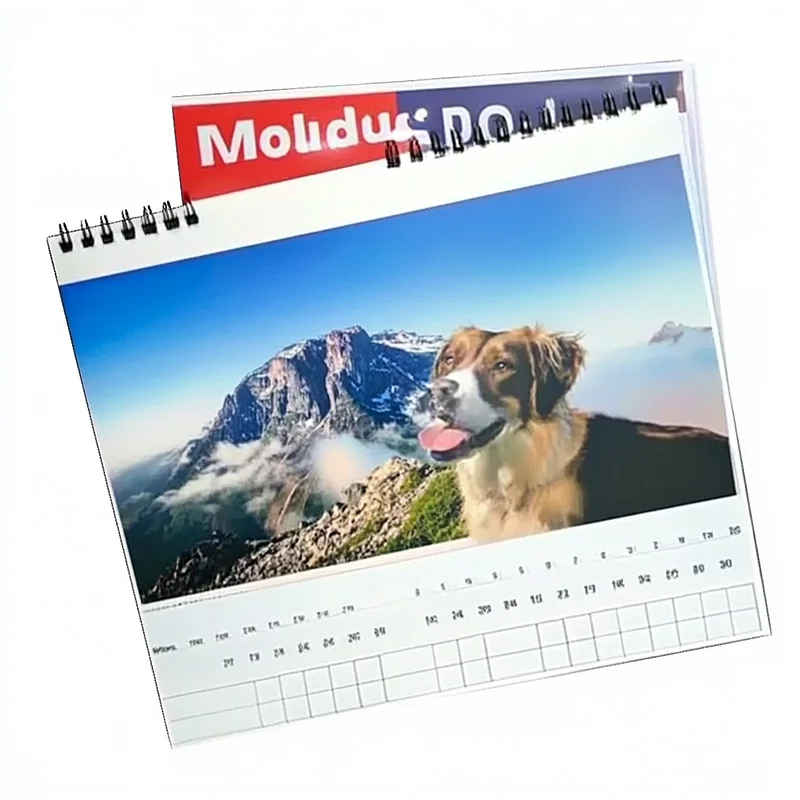
How to Embed AR Tech into Calendar for Better Brand Interaction?

06

May

How to Embed AR Tech into Calendar for Better Brand Interaction?

Augmented reality is transforming how brands connect with their audiences, moving beyond passive visual experiences to create immersive touchpoints that drive engagement and recall. For businesses seeking innovative ways to maintain year-round brand ...
View More
How to Measure the Flexible Production of Shipping Box Firms?

06

May

How to Measure the Flexible Production of Shipping Box Firms?

In the modern packaging industry, evaluating the flexible production of shipping box firms has become a critical factor for businesses seeking reliable manufacturing partners. As customer demands shift toward customization, faster turnaround times, a...
View More
How to Test Shipping Box Pressure Capacity Under Stacking?

06

May

How to Test Shipping Box Pressure Capacity Under Stacking?

Understanding how to test shipping box pressure capacity under stacking is critical for businesses that rely on efficient warehousing and transportation logistics. When corrugated boxes are stacked in warehouses or transport vehicles, they must withs...
View More
Why Do Patent Printing Techs Make Brochure Image Details Stunning?

06

May

Why Do Patent Printing Techs Make Brochure Image Details Stunning?

In the competitive landscape of corporate marketing and brand communication, the visual impact of printed brochures can determine whether a prospective client engages with your message or discards it within seconds. Businesses investing in high-quali...
View More

Get a Free Quote

Our representative will contact you soon.
Email
Name
Company Name
Message
0/1000

small white paper bags

Exceptional Durability Through Advanced Paper Engineering

Exceptional Durability Through Advanced Paper Engineering

The structural integrity of small white paper bags stems from sophisticated manufacturing processes that transform raw paper materials into surprisingly robust containers capable of handling daily demands. Paper engineers carefully select cellulose fiber compositions that provide optimal tensile strength, ensuring bags resist tearing even when filled to recommended capacity levels. The basis weight specification, typically ranging between 30 and 60 pounds depending on intended applications, determines the thickness and consequently the strength characteristics of the finished product. Higher basis weights deliver enhanced durability for heavier contents, while lighter weights suit delicate items and reduce material costs. The folding architecture incorporates strategically placed creases that distribute stress evenly across the bag structure, preventing weak points where tears commonly initiate. Bottom panels receive reinforced construction through multiple paper layers or specialized folding patterns that create stable platforms capable of supporting contents without sagging or collapsing. Handle configurations, when present, utilize reinforced attachment points that withstand repeated lifting and carrying motions throughout the bag's useful life. The adhesive systems bonding seams together employ food-safe formulations that maintain integrity across temperature variations and humidity conditions encountered in real-world environments. Quality control measures during manufacturing identify and eliminate defective units before they reach customers, ensuring consistent performance across entire production batches. The durability advantages extend beyond immediate functionality to encompass reusability potential, as small white paper bags often withstand multiple uses before showing significant wear. Customers frequently repurpose these bags for organizing drawers, storing craft supplies, or carrying lunches, extending the product lifecycle and maximizing value. This reusability factor amplifies environmental benefits by reducing per-use resource consumption. The paper material resists punctures from sharp-edged contents better than many assume, with fiber structure providing cushioning effect that accommodates moderate impacts without immediate failure. Testing protocols subject sample bags to standardized stress tests measuring carrying capacity, drop resistance, and environmental exposure tolerance, ensuring products meet performance specifications before market release. The white coloration itself contributes to perceived durability, as the clean appearance suggests freshness and quality that customers associate with reliable construction. Proper storage of unused bags preserves their structural properties, with manufacturers recommending cool, dry conditions away from direct sunlight to prevent premature degradation of paper fibers. The balance between strength and weight makes small white paper bags practical for everyday handling without requiring excessive material thickness that would increase costs and environmental impact unnecessarily.
Universal Versatility Across Industries and Applications

Universal Versatility Across Industries and Applications

Small white paper bags demonstrate remarkable adaptability that transcends industry boundaries and application categories, making them indispensable across diverse sectors of commerce and personal life. In food service environments, these bags excel at packaging baked goods, allowing air circulation that prevents sogginess while maintaining product freshness during transport from bakery to destination. Coffee shops utilize them for pastries and breakfast items, appreciating how the neutral white appearance complements any interior design scheme without visual conflict. Candy stores and confectioneries rely on small white paper bags to portion bulk sweets, creating portion-controlled servings that customers can easily carry and consume. The breathable paper material prevents condensation buildup that could compromise chocolate coatings or cause hard candies to stick together during warm weather. Retail boutiques employ these bags for jewelry, cosmetics, and small accessories, valuing how the clean presentation elevates perceived product value and creates positive unboxing experiences. Pharmacies package prescription medications and over-the-counter products in small white paper bags, benefiting from the professional appearance and customer privacy the opaque material provides. Craft fair vendors and artisan markets favor these bags for packaging handmade soaps, candles, and small crafted items, often personalizing them with stamps or labels that reinforce brand identity. Party planners and event coordinators transform small white paper bags into favor containers, decorating them to match themes and filling them with treats, trinkets, or small gifts for guests. Teachers and parents use them for classroom activities, art projects, puppet making, and educational games that engage children's creativity. Home organization enthusiasts repurpose these bags as drawer dividers, pantry organizers, and craft supply sorters that maintain tidy spaces. The food-safe properties make small white paper bags suitable for packing school lunches, picnic snacks, and portion-controlled servings that support healthy eating habits. Farmers market shoppers appreciate receiving produce and prepared foods in paper bags that won't trap moisture or accelerate spoilage during the journey home. Gift wrapping applications showcase the versatility of small white paper bags, which can be embellished with ribbons, tissue paper, and decorative elements to create charming presentations for birthdays, holidays, and special occasions. Wedding planners incorporate them into ceremonies and receptions as rice holders, candy buffet containers, or guest favor packaging that aligns with color schemes and aesthetic visions. Office environments use these bags for organizing supplies, distributing materials during meetings, or packaging items for client gifts and employee recognition programs. The size range available within the small bag category accommodates varying contents from individual cookies to multiple small items, providing flexibility for different packaging needs without requiring entirely different product lines.
Environmental Responsibility and Sustainable Business Practices

Environmental Responsibility and Sustainable Business Practices

The ecological advantages of small white paper bags position them as responsible choices for environmentally conscious consumers and businesses committed to reducing their environmental footprint. These bags derive from renewable forest resources that, when managed through sustainable forestry practices, regenerate continuously without depleting finite natural capital. Responsible manufacturers source pulp from certified forests where harvesting follows strict guidelines ensuring ecosystem preservation and replanting programs that maintain forest coverage for future generations. The biodegradability of paper materials means small white paper bags decompose naturally through microbial action when exposed to moisture, oxygen, and appropriate environmental conditions. Unlike synthetic polymers that fragment into persistent microplastics, paper breaks down into organic compounds that reintegrate harmlessly into soil systems. Composting programs accept paper bags as valuable carbon-rich inputs that balance nitrogen-heavy food scraps, creating nutrient-dense amendments for gardens and agricultural applications. Municipal recycling infrastructure readily accommodates paper products, with established collection and processing systems that recover fiber for manufacturing new paper goods. This circular economy model reduces demand for virgin materials while diverting waste from landfills and incinerators. The energy requirements for producing paper bags from recycled content typically fall below those needed for virgin material processing, further reducing environmental impact. Carbon footprint considerations favor paper bags due to their plant-based origins, as growing trees sequester atmospheric carbon dioxide before harvest, partially offsetting emissions from manufacturing and transportation. The lightweight nature of small white paper bags minimizes fuel consumption during shipping and distribution compared to heavier packaging alternatives, reducing greenhouse gas emissions across supply chains. Consumer perception increasingly favors businesses demonstrating environmental stewardship, with studies showing customers willing to pay premium prices for products aligned with sustainability values. Offering small white paper bags signals corporate responsibility and resonates with target audiences prioritizing ecological considerations in purchasing decisions. The absence of toxic chemicals in quality paper bags eliminates environmental contamination risks during manufacturing, use, and disposal phases of the product lifecycle. Water-based inks and adhesives used in production avoid volatile organic compounds that contribute to air pollution and health hazards. Regulatory compliance becomes simpler with paper bags, as many jurisdictions implement plastic bag restrictions while exempting or encouraging paper alternatives through favorable policies. Businesses adopting small white paper bags proactively position themselves ahead of legislative trends rather than scrambling to adapt when regulations take effect. The educational opportunity these bags provide allows businesses to communicate sustainability commitments directly to customers through printed messages or attached information explaining environmental benefits and proper disposal methods. This transparency builds trust and loyalty among increasingly informed consumer bases.

Get a Free Quote

Our representative will contact you soon.
Email
Name
Company Name
Message
0/1000