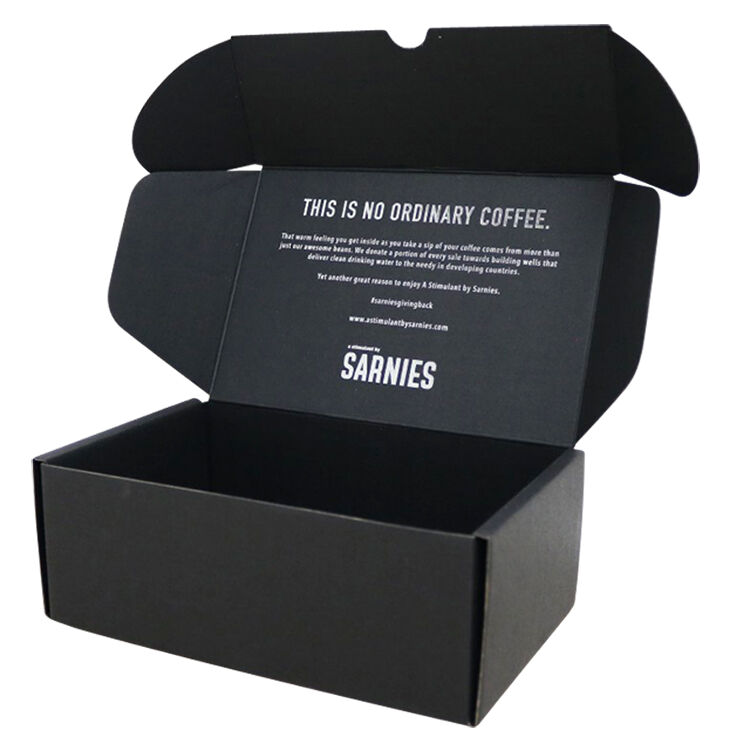
Premium Plastic Shipping Boxes - Durable Reusable Container Solutions for Efficient Logistics

Get a Free Quote

Our representative will contact you soon.
Email
Name
Company Name
Message
0/1000

plastic shipping boxes

Plastic shipping boxes represent a revolutionary solution in modern logistics and material handling, offering businesses a reliable, durable, and cost-effective method for transporting goods across various distances. These containers are manufactured using high-grade polymers such as polypropylene or high-density polyethylene, materials specifically selected for their exceptional strength-to-weight ratio and resistance to environmental factors. The primary function of plastic shipping boxes centers on protecting merchandise during transit, storage, and distribution processes while ensuring that products arrive at their destination in pristine condition. Unlike traditional cardboard alternatives, these containers feature reinforced walls, integrated handles, and stackable designs that optimize warehouse space utilization. The technological features embedded within plastic shipping boxes include anti-slip surfaces, ventilation slots for perishable goods, and modular dimensions that align with standard pallet sizes for seamless integration into existing supply chain infrastructure. Many models incorporate nesting capabilities, allowing empty containers to collapse into each other, thereby reducing return shipping costs and storage footprint when not in use. Advanced manufacturing techniques ensure consistent quality across production batches, with precision molding creating uniform dimensions that facilitate automated handling systems in modern distribution centers. Applications for plastic shipping boxes span numerous industries including automotive parts distribution, food and beverage logistics, pharmaceutical transportation, retail replenishment, e-commerce fulfillment, and industrial component shipping. The versatility of these containers makes them suitable for both internal facility transfers and long-distance shipping operations. Temperature resistance properties allow plastic shipping boxes to perform reliably in extreme conditions, from refrigerated environments to outdoor storage in variable climates. The closed-loop system potential of these containers supports sustainability initiatives, as they can be used repeatedly for years before eventual recycling into new products. With customization options including color-coding for inventory management, logo branding for corporate identity, and accessory compatibility such as dividers or lids, plastic shipping boxes deliver comprehensive solutions that address diverse operational requirements across global supply chains.


New Products

Plastic shipping boxes deliver substantial economic benefits through their exceptional durability and reusability, creating long-term cost savings that far exceed the initial investment. While the upfront purchase price may be higher than disposable packaging, these containers can endure hundreds of shipping cycles without significant degradation, effectively reducing per-use costs to a fraction of single-use alternatives. This extended service life translates directly into lower packaging expenses over time, freeing up budget resources for other operational priorities. The inherent strength of plastic shipping boxes provides superior protection for your products, minimizing damage-related losses that can devastate profit margins. The rigid construction absorbs impacts during handling and transit, creating a protective barrier that safeguards valuable merchandise from the rough conditions typical in shipping environments. This enhanced protection reduces claims, returns, and customer dissatisfaction, preserving both revenue and brand reputation. Efficiency gains emerge from the standardized dimensions and stackable design of plastic shipping boxes, allowing you to maximize every cubic inch of storage space in warehouses and transport vehicles. The ability to stack containers securely creates vertical storage solutions that multiply capacity without expanding physical facilities. When empty, many models nest together, occupying minimal space during return trips and reducing transportation costs. The lightweight nature of plastic shipping boxes, despite their robust construction, contributes to reduced fuel consumption in transportation, lowering shipping costs and supporting environmental sustainability goals. Drivers and warehouse personnel appreciate the ergonomic features such as comfortable grip handles and smooth edges that make handling safer and less physically demanding, potentially reducing workplace injuries and associated costs. Maintenance requirements are virtually nonexistent as plastic shipping boxes resist moisture, chemicals, and biological degradation that destroys alternative materials. A simple rinse or wipe-down restores containers to like-new condition, ensuring hygiene standards in food, pharmaceutical, and other sensitive applications. The chemical resistance means these containers can transport a wide variety of products without absorbing odors or contaminants that could compromise subsequent loads. Temperature stability allows plastic shipping boxes to perform consistently whether moving through freezing cold storage or sitting in hot delivery trucks, maintaining structural integrity where other materials would fail. The closed-loop circulation of these containers within your supply chain creates tracking opportunities, with optional RFID tags or barcode labels enabling inventory visibility and asset management. This traceability reduces losses from misplaced containers and optimizes fleet sizing based on actual usage patterns. Environmental advantages extend beyond reusability, as plastic shipping boxes eliminate the continuous waste stream generated by disposable packaging, supporting corporate sustainability commitments and potentially qualifying for green certifications. At end-of-life, the recyclable materials can be reprocessed into new products, completing a circular economy model that minimizes environmental impact while maintaining operational effectiveness.

Practical Tips

What are the Application Strategies for Sticker in Promotion?

08

May

What are the Application Strategies for Sticker in Promotion?

Promotional sticker campaigns have evolved from simple brand markings into sophisticated marketing instruments that drive consumer engagement, brand recall, and measurable conversion outcomes across multiple touchpoints. Understanding the strategic a...
View More
Why Do Comprehensive Firms Provide Better Magazine Layouts?

21

May

Why Do Comprehensive Firms Provide Better Magazine Layouts?

In the competitive world of print media and corporate communication, the quality of magazine layouts can make or break reader engagement and brand perception. Business decision-makers increasingly recognize that comprehensive firms—those offering int...
View More
How to Maintain Stored Shipping Box to Prevent Weakening?

12

May

How to Maintain Stored Shipping Box to Prevent Weakening?

Maintaining stored shipping boxes in optimal condition is critical for businesses that rely on packaging inventory to fulfill orders efficiently and protect products during transit. When shipping boxes are stored improperly or for extended periods, t...
View More
What Are the Eco Benefits of Shipping Box in Circular Logic?

20

May

What Are the Eco Benefits of Shipping Box in Circular Logic?

The global shift toward sustainable packaging has placed the humble shipping box at the center of environmental innovation, particularly within circular economy frameworks. As businesses face mounting pressure to reduce their carbon footprint and min...
View More

Get a Free Quote

Our representative will contact you soon.
Email
Name
Company Name
Message
0/1000

plastic shipping boxes

Unmatched Durability Engineering for Maximum Investment Protection

Unmatched Durability Engineering for Maximum Investment Protection

The engineering excellence behind plastic shipping boxes centers on advanced material science and precision manufacturing techniques that create containers capable of withstanding the harshest conditions encountered in modern supply chains. Manufacturers select specific polymer formulations that balance flexibility with rigidity, producing containers that absorb impacts without cracking while maintaining structural integrity under substantial weight loads. The molecular structure of high-density polyethylene and polypropylene provides inherent resistance to stress fractures that commonly plague inferior materials, ensuring that plastic shipping boxes maintain performance characteristics through countless shipping cycles. Wall thickness specifications are carefully calculated to provide optimal strength without unnecessary weight, achieving the ideal balance that maximizes durability while keeping handling manageable and transportation costs reasonable. Reinforcement ribs strategically placed throughout the container design distribute loads evenly across the structure, preventing concentration points where stress could cause failure. Corner reinforcements receive particular attention in the design phase, as these areas typically experience the highest impact forces during stacking, loading, and accidental drops. The injection molding process used in manufacturing plastic shipping boxes creates monolithic structures without seams or joints that could become failure points, delivering uniform strength throughout the entire container. Quality control protocols during production ensure consistency across manufacturing batches, with dimensional tolerances maintained within strict specifications so containers stack and nest properly regardless of production date or facility. UV stabilizers incorporated into the polymer formulation protect plastic shipping boxes from degradation caused by sunlight exposure during outdoor storage or open-air transportation, preventing the brittleness that affects untreated plastics. Chemical resistance properties allow these containers to transport aggressive substances without material degradation, from acidic food products to industrial solvents, expanding their utility across diverse applications. Temperature performance testing validates that plastic shipping boxes maintain structural properties across extreme ranges, from the sub-zero temperatures of refrigerated transport to the elevated heat of sun-exposed delivery vehicles. The durability of plastic shipping boxes translates into predictable operational costs, as businesses can accurately forecast replacement schedules based on usage patterns rather than unpredictable failure rates. This reliability supports lean inventory management of container fleets, minimizing the safety stock needed to buffer against unexpected packaging shortages. The environmental benefits of durability extend sustainability credentials, as longer-lasting containers reduce resource consumption associated with manufacturing replacements and minimize waste disposal requirements. Financial modeling demonstrates that durability delivers return on investment within relatively short timeframes, after which the continued service represents pure cost savings compared to disposable alternatives.
Operational Efficiency Through Intelligent Design Features

Operational Efficiency Through Intelligent Design Features

Plastic shipping boxes incorporate thoughtful design elements that streamline logistics operations and reduce labor requirements throughout the supply chain. The stackable configuration allows loaded containers to sit securely atop one another, creating stable columns that maximize vertical space utilization in warehouses, retail backrooms, and transport vehicles. Interlocking rim designs prevent lateral movement during stacking, maintaining alignment even when subjected to vibration during transportation or when stacked to significant heights. This stability reduces the risk of toppling accidents that can damage products and endanger personnel, creating safer working environments while protecting valuable inventory. The footprint dimensions of plastic shipping boxes align with standard pallet sizes, allowing precise arrangements that optimize space utilization on pallets and in truck trailers. This standardization eliminates wasted space between containers and ensures compatibility with material handling equipment including forklifts, pallet jacks, and automated conveyor systems. When empty, many plastic shipping boxes feature nesting capabilities where containers slide partially into one another, dramatically reducing the volume occupied during return shipping or storage. This space efficiency can reduce return transportation costs by as much as 75 percent compared to rigid containers that maintain full dimensions when empty. The weight reduction achieved through modern polymer formulations means plastic shipping boxes add minimal tare weight to shipments, preserving payload capacity for revenue-generating merchandise rather than packaging materials. Ergonomic handle designs integrated into the container walls provide comfortable grip points that reduce hand strain during manual handling, supporting worker health and productivity. Handle placement at natural lifting points encourages proper lifting techniques that minimize back injuries, addressing a significant source of workplace compensation claims in logistics operations. Smooth interior surfaces without protruding elements facilitate complete product removal and prevent damage to packaged goods, particularly important for items with delicate surfaces or packaging. Ventilation options available in certain models promote air circulation around perishable products, extending shelf life and maintaining quality during transportation and storage. The ability to customize plastic shipping boxes with color-coding systems enables instant visual identification of contents or destination, reducing sorting errors and accelerating distribution center operations. Transparent or translucent material options allow visual inventory verification without opening containers, speeding receiving processes and reducing handling time. Accessory compatibility extends functionality, with available dividers creating compartments for organizing small parts, while fitted lids provide security and protection for high-value items. The ease of cleaning plastic shipping boxes supports multi-use applications, as containers can transition between different products or facilities after simple sanitation procedures, maximizing asset utilization across diverse operational requirements.
Sustainability Advantages Driving Environmental Responsibility

Sustainability Advantages Driving Environmental Responsibility

Plastic shipping boxes represent a significant advancement in sustainable packaging solutions, offering environmental benefits that extend throughout their lifecycle from manufacturing through end-of-life recycling. The reusability factor stands as the primary environmental advantage, as each container replaces hundreds or thousands of single-use packaging items that would otherwise enter waste streams. This waste reduction directly addresses growing concerns about packaging materials overwhelming landfills and polluting ecosystems, positioning businesses that adopt plastic shipping boxes as environmental leaders in their industries. The manufacturing process for durable plastic containers requires significant energy input initially, but lifecycle analysis demonstrates that this energy investment is amortized across hundreds of uses, resulting in substantially lower total environmental impact compared to continuously producing disposable alternatives. Water consumption in cleaning and maintaining plastic shipping boxes is minimal compared to the water-intensive processes required for paper and cardboard production, conserving precious freshwater resources. The elimination of continuous raw material extraction for disposable packaging reduces habitat disruption and resource depletion associated with forestry or virgin plastic production. Transportation efficiency gains from stackable and nestable designs reduce fuel consumption per unit shipped, lowering carbon emissions associated with distribution operations. The lightweight construction of plastic shipping boxes minimizes vehicle fuel requirements compared to heavier packaging alternatives like wooden crates or metal containers, further reducing the carbon footprint of logistics operations. Chemical resistance properties prevent contamination that would render containers unusable, extending service life and delaying end-of-life disposal. At the conclusion of their operational life, plastic shipping boxes can be recycled into new plastic products, creating circular economy models that minimize virgin material requirements. Many manufacturers now offer take-back programs where worn containers are collected, processed, and remanufactured into new shipping boxes, closing the loop completely. The mono-material construction of quality plastic shipping boxes simplifies recycling processes compared to composite packaging that requires separation before processing. Durability reduces the need for protective packaging materials like bubble wrap or foam inserts, as the rigid container itself provides adequate protection, eliminating additional waste streams. The carbon footprint reduction achieved through reusable plastic shipping boxes can contribute meaningfully to corporate sustainability goals and climate commitments, providing measurable environmental metrics for sustainability reporting. Consumer preference increasingly favors brands demonstrating environmental responsibility, making the adoption of sustainable packaging solutions like plastic shipping boxes a competitive advantage in market positioning. Regulatory trends worldwide are moving toward extended producer responsibility and packaging waste reduction mandates, positioning businesses that proactively adopt reusable systems ahead of compliance curves. The visibility of reusable containers throughout supply chains communicates environmental values to partners and customers, reinforcing brand identity as a responsible corporate citizen committed to minimizing environmental impact while maintaining operational excellence.

Get a Free Quote

Our representative will contact you soon.
Email
Name
Company Name
Message
0/1000