Comprehensive Binding and Finishing Options for Professional Presentation
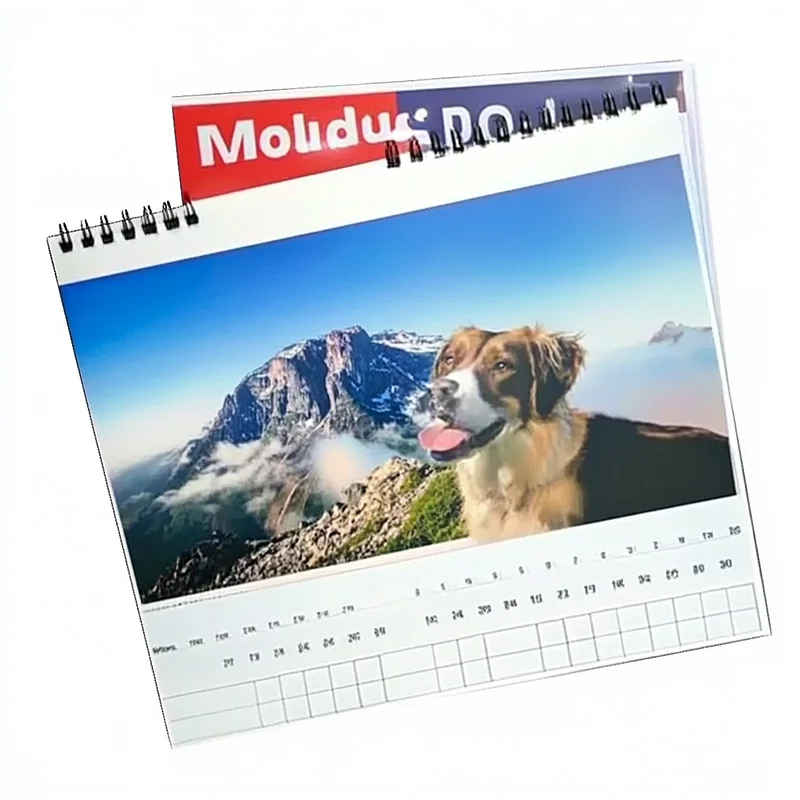
The magazine printing service you select should offer diverse binding and finishing options that enhance both functionality and aesthetic appeal of your publication. Binding choice significantly impacts reader experience, durability, and perceived value. Saddle-stitch binding remains popular for magazines up to approximately 80 pages, where sheets are folded and stapled through the spine. This economical method works well for periodicals, catalogs, and newsletters, allowing magazines to lie relatively flat when opened. Modern saddle-stitching equipment operates at high speeds while maintaining precise alignment, ensuring consistent results across thousands of copies. Perfect binding creates a professional squared spine suitable for thicker publications from 40 to 300-plus pages. This method involves milling the folded signatures, applying flexible adhesive, and attaching a cover that wraps around the spine. Perfect-bound magazines convey prestige and permanence, with spines that display title information on bookshelves, increasing publication visibility. Advanced PUR (polyurethane reactive) adhesives provide superior strength compared to traditional hot-melt glues, ensuring pages remain secure through repeated reading and handling. This durability proves essential for magazines intended as reference materials or publications readers keep for extended periods. Spiral and wire-o binding offer unique advantages for specialized applications like cookbooks, technical manuals, or publications requiring complete flat-opening capability. These bindings allow 360-degree rotation, enabling readers to fold magazines completely back on themselves without damaging the spine. Premium case binding elevates magazine printing service offerings for annual editions, commemorative issues, or luxury publications. This hardcover binding method uses rigid boards covered in cloth, leather, or printed paper, with sewn signatures providing exceptional durability. Case-bound magazines become keepsakes that readers treasure and display, justifying premium pricing strategies. Finishing options extend beyond binding to include various enhancements that distinguish your publication. Coating applications like aqueous, UV, or laminate finishes protect covers while adding visual impact. Spot UV coating creates dramatic contrasts by applying high-gloss coating to specific design elements against matte backgrounds. Embossing and debossing add dimensional texture that invites tactile interaction, making magazines memorable through touch as well as sight. Foil stamping applies metallic or pigmented foil through heat and pressure, creating luxurious accents for logos, titles, or decorative elements. Die-cutting creates custom shapes in covers or interior pages, generating visual interest and differentiation on newsstands. These finishing techniques transform ordinary magazines into premium products that command attention and justify higher cover prices, while professional magazine printing service providers maintain expertise in executing these specialized processes flawlessly.

 EN
EN