Early Learning Books: Interactive Educational Resources for Child Development and School Readiness

Get a Free Quote

Our representative will contact you soon.
Email
Name
Company Name
Message
0/1000

early learning books

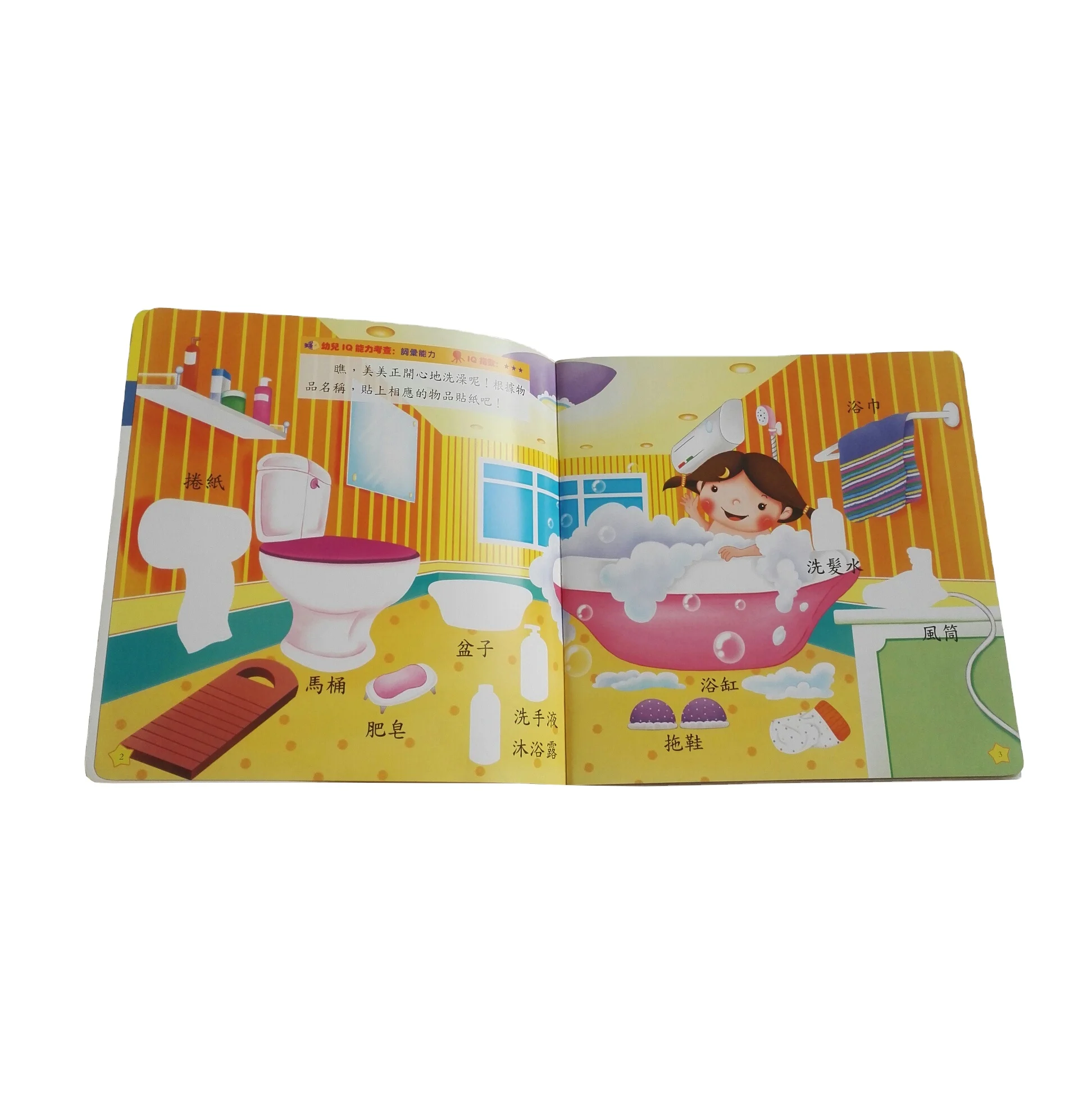
Early learning books represent a fundamental educational resource designed to support cognitive development and foundational skill acquisition during the critical formative years of childhood. These specialized publications combine engaging visual elements with age-appropriate content to create immersive learning experiences for young minds. The main functions of early learning books encompass literacy development, vocabulary expansion, numerical understanding, shape and color recognition, and social-emotional growth. Through interactive elements such as textured surfaces, lift-the-flap features, and vibrant illustrations, these books transform passive reading into active exploration. The technological features incorporated into modern early learning books include durable board construction that withstands enthusiastic handling, non-toxic materials ensuring child safety, and innovative design elements like tactile components that engage multiple sensory pathways simultaneously. Many contemporary early learning books integrate sound modules, augmented reality capabilities, and QR codes linking to digital content that extends the learning experience beyond physical pages. Applications of early learning books span diverse educational contexts including home-based parent-child bonding sessions, preschool classroom activities, library storytelling programs, and therapeutic interventions for children with special learning needs. These versatile resources serve as conversation starters between caregivers and children, facilitating language development through shared reading experiences. Early learning books address various developmental domains simultaneously, incorporating mathematical concepts through counting exercises, scientific thinking through cause-and-effect demonstrations, and creative expression through artistic imagery. The sequential nature of early learning books helps children understand narrative structure and temporal relationships while building pre-reading skills such as left-to-right progression and page-turning coordination. Educational publishers continuously refine early learning books based on developmental psychology research and pedagogical best practices, ensuring content alignment with milestone achievements appropriate for specific age ranges from infancy through early elementary years.

New Product Recommendations

Parents and educators consistently choose early learning books because they deliver measurable developmental benefits without requiring complex technology or expensive equipment. These books create opportunities for meaningful interaction between adults and children, strengthening emotional bonds while simultaneously building academic readiness. Unlike passive screen-based entertainment, early learning books encourage active participation through physical manipulation and verbal engagement, promoting fine motor skills as little fingers turn pages and point to pictures. The portability of early learning books allows learning to happen anywhere, transforming waiting rooms, car rides, and bedtime routines into productive educational moments. Families appreciate how early learning books accommodate different learning paces, allowing children to revisit favorite pages repeatedly until mastery occurs naturally. The multi-sensory approach embedded in quality early learning books addresses diverse learning styles, ensuring visual learners benefit from colorful illustrations while kinesthetic learners engage with touchable elements. Early learning books provide structure and routine that young children find comforting, establishing positive associations with reading that persist throughout academic careers. Budget-conscious families value how early learning books deliver long-term educational value at reasonable prices compared to electronic devices requiring updates and subscriptions. These books grow with children as emerging readers discover new details during subsequent readings, revealing layered content that remains engaging across developmental stages. Research consistently demonstrates that children exposed to early learning books develop larger vocabularies, stronger comprehension skills, and greater academic confidence than peers with limited book exposure. The shared reading experiences facilitated by early learning books teach children essential social skills including turn-taking, listening attentively, and expressing thoughts clearly. Caregivers without formal teaching credentials find early learning books provide implicit guidance through well-structured content that naturally introduces concepts in developmentally appropriate sequences. The durability of properly constructed early learning books means they survive multiple children and generations, becoming treasured family heirlooms that connect siblings and cousins through shared stories. Environmental considerations favor early learning books made from sustainable materials and designed for longevity rather than disposable entertainment options. Teachers integrate early learning books into curriculum planning because they align with educational standards while maintaining child engagement through entertaining presentations. The accessibility of early learning books supports inclusive education by offering versions with Braille, simplified text, and culturally diverse representations that help all children see themselves in stories.

Tips And Tricks

How to Embed AR Tech into Calendar for Better Brand Interaction?

06

May

How to Embed AR Tech into Calendar for Better Brand Interaction?

Augmented reality is transforming how brands connect with their audiences, moving beyond passive visual experiences to create immersive touchpoints that drive engagement and recall. For businesses seeking innovative ways to maintain year-round brand ...
View More
What are the Application Strategies for Sticker in Promotion?

06

May

What are the Application Strategies for Sticker in Promotion?

Promotional sticker campaigns have evolved from simple brand markings into sophisticated marketing instruments that drive consumer engagement, brand recall, and measurable conversion outcomes across multiple touchpoints. Understanding the strategic a...
View More
What Are the Eco Benefits of Shipping Box in Circular Logic?

06

May

What Are the Eco Benefits of Shipping Box in Circular Logic?

The global shift toward sustainable packaging has placed the humble shipping box at the center of environmental innovation, particularly within circular economy frameworks. As businesses face mounting pressure to reduce their carbon footprint and min...
View More
Why Do Patent Printing Techs Make Brochure Image Details Stunning?

06

May

Why Do Patent Printing Techs Make Brochure Image Details Stunning?

In the competitive landscape of corporate marketing and brand communication, the visual impact of printed brochures can determine whether a prospective client engages with your message or discards it within seconds. Businesses investing in high-quali...
View More

Get a Free Quote

Our representative will contact you soon.
Email
Name
Company Name
Message
0/1000

early learning books

Interactive Design Elements That Maximize Engagement and Retention

Interactive Design Elements That Maximize Engagement and Retention

The distinguishing characteristic that elevates superior early learning books above ordinary publications lies in their sophisticated integration of interactive design elements that transform passive observation into active discovery. These carefully engineered features recognize that young children learn most effectively through hands-on exploration rather than simple visual consumption. Textured surfaces invite curious fingers to explore different materials, creating tactile memories that reinforce concept understanding far more effectively than words or pictures alone could achieve. When a child touches the rough bark on an illustrated tree or feels the soft fur of a depicted animal, neural pathways form stronger connections linking sensory experience with vocabulary acquisition. Lift-the-flap mechanisms introduce elements of surprise and anticipation that maintain attention spans while teaching object permanence and spatial relationships as children discover hidden images beneath moveable components. The physical action of lifting flaps develops fine motor control and hand-eye coordination while satisfying natural curiosity about what exists beyond immediately visible surfaces. Pop-up features add three-dimensional understanding to flat images, helping developing minds grasp concepts of depth, perspective, and structural relationships that prepare them for geometry and spatial reasoning in later academic years. Sound buttons integrated into early learning books create multi-sensory experiences that appeal particularly to auditory learners while teaching cause-and-effect relationships as children connect pressing actions with resulting audio output. These sound elements might include animal noises that reinforce vocabulary lessons, musical notes that introduce rhythm and melody concepts, or recorded narration that models proper pronunciation for emerging speakers. Moveable parts such as sliding panels and rotating wheels encourage problem-solving as children figure out how mechanisms operate while simultaneously presenting changing visual information that illustrates transformation and sequence. The interactive components of quality early learning books are engineered with child safety as paramount concern, featuring secure attachments that prevent choking hazards while maintaining durability through countless manipulation cycles. Publishers invest significant research into determining optimal resistance levels for interactive elements, ensuring features are challenging enough to develop dexterity without causing frustration that might discourage continued engagement. The strategic placement of interactive features throughout early learning books creates natural pacing that maintains interest across entire reading sessions rather than front-loading excitement that leads to attention decline. Educational designers carefully balance entertainment value with learning objectives, ensuring interactive elements serve pedagogical purposes rather than functioning as mere distractions from content.
Age-Appropriate Content Progression That Supports Developmental Milestones

Age-Appropriate Content Progression That Supports Developmental Milestones

Exceptional early learning books demonstrate sophisticated understanding of child development stages by presenting content calibrated precisely to match cognitive abilities and learning readiness at specific ages. This developmental alignment represents perhaps the most critical advantage these specialized publications offer over generic children's literature or educational materials designed without developmental psychology expertise. For infants in the earliest months, early learning books feature high-contrast images in black, white, and primary colors that accommodate limited visual acuity while stimulating optical development and pattern recognition capabilities. These foundational books present simple shapes and faces that capture infant attention while supporting the neural development occurring rapidly during this critical period. As babies transition into active exploration phases around six to twelve months, appropriate early learning books introduce basic vocabulary through clear object labeling paired with photographic or illustrated representations that help children connect words with physical items in their environment. The content progression continues with toddler-focused early learning books that expand vocabulary fields into categories such as animals, vehicles, foods, and household items while introducing simple action verbs and descriptive adjectives that build grammatical understanding. Counting concepts emerge gradually through early learning books that begin with one-to-one correspondence using tangible objects before progressing to abstract numerical representation and simple addition scenarios. Color and shape recognition content follows similar graduated complexity, starting with primary colors and basic geometric forms before introducing secondary hues, complex polygons, and comparative concepts like larger versus smaller. Social-emotional content within age-appropriate early learning books addresses developmental concerns relevant to specific stages, such as separation anxiety for toddlers, sharing concepts for preschoolers, and emotion identification for children developing self-awareness. Story complexity increases systematically across age ranges, with board books for youngest children featuring single-word labels or simple phrases, progressing to short sentences with predictable patterns, and eventually reaching narrative arcs with beginning, middle, and end structures. The sentence length, vocabulary sophistication, and conceptual abstraction all scale appropriately within quality early learning books, ensuring children experience success and comprehension rather than confusion and frustration. Publishers of premium early learning books employ child development specialists and educational consultants who review content against established milestone charts and learning standards, ensuring materials support rather than exceed developmental capabilities. This careful calibration means parents and educators can select early learning books with confidence, trusting that age recommendations reflect genuine developmental appropriateness rather than arbitrary marketing categories.
Durability and Safety Features That Protect Young Users While Ensuring Longevity

Durability and Safety Features That Protect Young Users While Ensuring Longevity

The physical construction of premium early learning books reflects deep understanding that target users are still developing motor control, impulse regulation, and gentle handling skills, necessitating robust engineering that maintains integrity despite enthusiastic interaction. Board book construction represents the industry standard for early learning books intended for youngest users, featuring thick cardboard pages that resist tearing even when grabbed forcefully or chewed during teething phases. The rounded corners incorporated into quality early learning books eliminate sharp edges that could cause injury during animated page-turning or accidental impacts, demonstrating how thoughtful design prioritizes user safety without compromising functionality. Coating technologies applied to early learning books create wipe-clean surfaces that allow caregivers to remove drool, food residue, and sticky fingerprints without damaging underlying images or text, extending product lifespan significantly beyond what untreated paper could endure. The binding systems used in durable early learning books employ specialized adhesives and stitching techniques that maintain page attachment through thousands of opening and closing cycles, preventing the page separation that quickly renders conventional books unusable in young hands. Material selection for early learning books prioritizes non-toxic components throughout production, from vegetable-based inks that pose no health risks if mouthed to paper stocks processed without harmful chemicals that could affect developing systems. Certification compliance with international safety standards such as ASTM F963 and EN71 provides parents assurance that early learning books undergo rigorous testing for mechanical hazards, flammability risks, and chemical content before reaching market. The structural integrity of well-manufactured early learning books allows them to withstand being dropped, stepped on, stuffed into bags, and subjected to other indignities that inevitably occur in households with active young children. This durability translates directly into economic value as families use individual early learning books across multiple children rather than replacing damaged copies after brief use periods. Environmental sustainability increasingly influences early learning books production, with manufacturers adopting recycled materials, responsible forestry practices, and minimal packaging approaches that reduce ecological impact while maintaining product quality. The weight and thickness of early learning books are optimized to allow independent handling by small hands while providing substantial feel that communicates value and importance, teaching children to treat books as treasured objects worthy of care. Storage considerations factor into early learning books design, with dimensions standardized to fit common shelving units and carrying cases while remaining compact enough for diaper bags and travel situations. Quality control processes for reputable early learning books publishers include inspection protocols that identify and eliminate units with manufacturing defects before distribution, ensuring consistent safety and performance across production runs.

Get a Free Quote

Our representative will contact you soon.
Email
Name
Company Name
Message
0/1000