Corrugated Fibreboard Box Solutions: Durable, Customizable & Sustainable Packaging

Get a Free Quote

Our representative will contact you soon.
Email
Name
Company Name
Message
0/1000

corrugated fibreboard box

The corrugated fibreboard box represents one of the most versatile and widely utilized packaging solutions in modern commerce and logistics. This packaging system consists of multiple layers of paper-based materials engineered to create a robust, lightweight, and cost-effective container. At its core, the corrugated fibreboard box features a distinctive structure comprising an arched layer called fluting sandwiched between flat linerboards. This architectural design provides exceptional strength-to-weight ratios, making these boxes ideal for protecting goods during storage, handling, and transportation. The main functions of corrugated fibreboard boxes extend beyond simple containment. They serve as protective barriers against physical impacts, compression forces, and environmental factors that could damage products. These boxes facilitate efficient stacking in warehouses, optimize space utilization during shipping, and provide surfaces for branding, labeling, and product information. Technologically, corrugated fibreboard boxes incorporate various flute profiles, including A-flute, B-flute, C-flute, E-flute, and F-flute, each offering different cushioning properties and structural characteristics. The manufacturing process employs precision machinery that corrugate medium paper, apply adhesive, and laminate linerboards to create single-wall, double-wall, or triple-wall configurations depending on strength requirements. Advanced printing technologies enable high-quality graphics directly onto box surfaces, transforming packaging into marketing tools. Applications for corrugated fibreboard boxes span virtually every industry sector. E-commerce businesses rely heavily on these containers for shipping consumer goods safely to doorsteps worldwide. Food and beverage companies use specialized corrugated boxes with moisture-resistant coatings and ventilation features. Electronics manufacturers depend on custom-designed corrugated packaging with interior cushioning to protect delicate components. Agricultural producers utilize bulk bins and produce boxes for harvesting and distribution. Pharmaceutical companies employ corrugated containers meeting strict regulatory standards for medical supply transportation. The automotive industry uses heavy-duty corrugated packaging for parts logistics. Retail operations benefit from display-ready corrugated boxes that convert into point-of-purchase merchandising fixtures. The sustainability profile of corrugated fibreboard boxes continues advancing through recycled content utilization and biodegradability features that align with environmental consciousness.


New Product Recommendations

Choosing corrugated fibreboard boxes delivers numerous practical benefits that directly impact your bottom line and operational efficiency. First and foremost, these boxes offer outstanding protection for your products without adding excessive weight to shipments. The cushioning effect created by the fluted layer absorbs shocks and impacts during handling, reducing damage rates and minimizing costly returns or replacements. This protective quality translates into satisfied customers who receive their purchases in pristine condition, building trust and encouraging repeat business. Cost-effectiveness stands as another compelling advantage. Corrugated fibreboard boxes cost significantly less than alternative packaging materials like plastic containers or wooden crates. The lightweight nature of these boxes reduces shipping expenses, as carriers charge based on dimensional weight. When you multiply these savings across hundreds or thousands of shipments, the financial impact becomes substantial. Manufacturing efficiency also keeps costs down, as modern production lines create corrugated boxes rapidly and consistently. Customization flexibility allows you to design packaging that precisely fits your products, eliminating wasted space and reducing the need for excessive filler materials. You can specify exact dimensions, select appropriate strength grades, and incorporate features like handles, windows, or special closures. Printing capabilities let you showcase your brand identity, include handling instructions, and communicate directly with customers through your packaging. This marketing potential transforms each box into a brand ambassador that reinforces your company image. Environmental responsibility increasingly influences purchasing decisions, and corrugated fibreboard boxes excel in sustainability. These containers primarily use renewable wood fiber resources and commonly incorporate high percentages of recycled content. After use, customers can easily recycle corrugated boxes through established collection systems, supporting circular economy principles. The material biodegrades naturally if it enters the environment, unlike plastic packaging that persists for centuries. Many businesses highlight their use of corrugated packaging as part of corporate sustainability initiatives, appealing to environmentally conscious consumers. Storage efficiency provides practical workplace advantages. Corrugated boxes typically ship flat, occupying minimal warehouse space until assembly. Workers can quickly fold these boxes into shape without special tools or training, streamlining packing operations. The standardized sizing of many corrugated boxes facilitates organized storage systems and optimizes shelf space utilization. Versatility across applications means you can source packaging from a single supplier for diverse product lines, simplifying procurement and potentially qualifying for volume discounts. Whether shipping fragile glassware, heavy machinery parts, or perishable foods, appropriate corrugated box configurations exist to meet your specific requirements, providing reliable performance across varied conditions and handling scenarios.

Latest News

How to Measure the Flexible Production of Shipping Box Firms?

06

May

How to Measure the Flexible Production of Shipping Box Firms?

In the modern packaging industry, evaluating the flexible production of shipping box firms has become a critical factor for businesses seeking reliable manufacturing partners. As customer demands shift toward customization, faster turnaround times, a...
View More
What Are the Eco Benefits of Shipping Box in Circular Logic?

06

May

What Are the Eco Benefits of Shipping Box in Circular Logic?

The global shift toward sustainable packaging has placed the humble shipping box at the center of environmental innovation, particularly within circular economy frameworks. As businesses face mounting pressure to reduce their carbon footprint and min...
View More
How to Define Brand Tone via Magazine Paper Texture and Binding?

06

May

How to Define Brand Tone via Magazine Paper Texture and Binding?

Brand tone is not merely communicated through words and images—it extends deeply into the tactile and visual qualities of the physical materials you choose for your printed publications. When readers hold a magazine, catalog, or brochure, the magazin...
View More
What Are the Innovative Trends for Brochure and Digital Content?

06

May

What Are the Innovative Trends for Brochure and Digital Content?

The landscape of marketing communication has undergone a dramatic transformation as businesses navigate the intersection of traditional print materials and digital platforms. Understanding the innovative trends shaping brochure and digital content is...
View More

Get a Free Quote

Our representative will contact you soon.
Email
Name
Company Name
Message
0/1000

corrugated fibreboard box

Superior Structural Strength Through Engineered Design

Superior Structural Strength Through Engineered Design

The corrugated fibreboard box achieves remarkable structural integrity through sophisticated engineering principles that maximize performance while minimizing material usage. Understanding this strength advantage helps you appreciate why these boxes dominate packaging markets worldwide. The secret lies in the corrugation process itself, where a sheet of paper undergoes transformation into a wave-like pattern of rigid arches. These arches function similarly to architectural supports in bridges and buildings, distributing weight and resisting compression from multiple directions simultaneously. When manufacturers bond this corrugated medium between flat linerboards, they create a composite structure that dramatically outperforms solid paperboard of equivalent weight. The vertical flutes act as columns that prevent crushing when boxes stack atop one another in warehouses or shipping containers. This stacking strength proves crucial for maximizing storage density and protecting products positioned at lower levels from the cumulative weight above them. Edge crush resistance measurements determine how much vertical force a corrugated fibreboard box can withstand before structural failure occurs. Different flute profiles offer varying strength characteristics tailored to specific applications. Larger A-flute corrugations provide excellent cushioning for fragile items and superior stacking strength for lightweight products. Medium C-flute offers balanced performance for general-purpose shipping applications. Smaller E-flute and F-flute profiles enable thinner packaging suitable for retail displays while maintaining adequate protection. For exceptionally demanding applications, double-wall and triple-wall constructions multiply protective capabilities by layering multiple corrugated structures together. These heavy-duty corrugated fibreboard boxes successfully replace wooden crates in many industrial applications, offering comparable strength at reduced weight and cost. The engineered design also incorporates burst strength, measuring resistance to rupture from internal or external impact forces. This characteristic proves particularly important when boxes contain products with sharp edges or when handling equipment might puncture containers. Manufacturers optimize burst strength through linerboard selection, choosing heavier basis weights or stronger fiber compositions for applications requiring enhanced puncture resistance. Modern testing protocols ensure corrugated fibreboard boxes meet specific performance standards before reaching customers. Compression testing simulates warehouse stacking conditions, while drop testing replicates shipping impacts. Vibration testing exposes boxes to conditions experienced during truck or rail transport. These rigorous evaluations validate that corrugated packaging protects your products throughout complex distribution networks, providing peace of mind and reducing loss rates significantly.
Exceptional Customization and Branding Opportunities

Exceptional Customization and Branding Opportunities

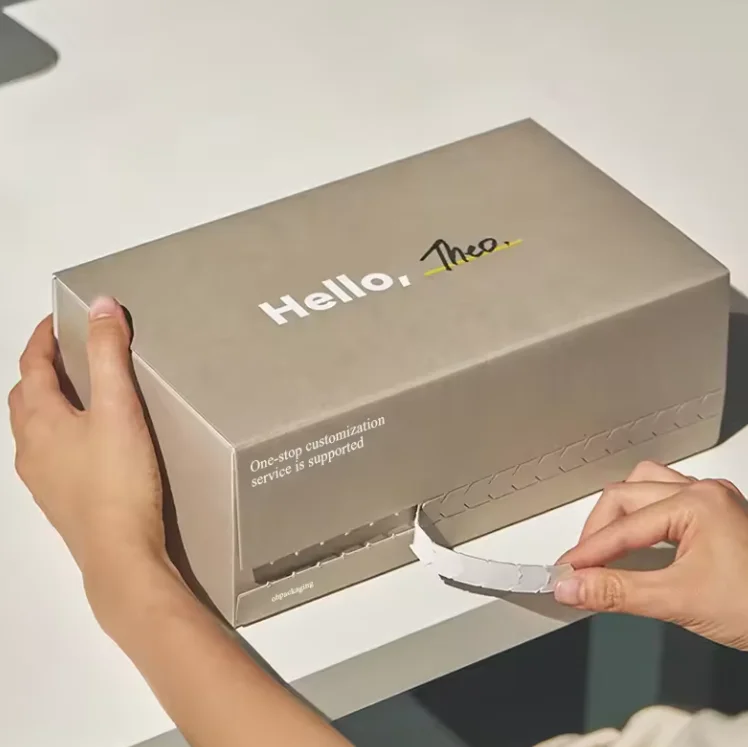
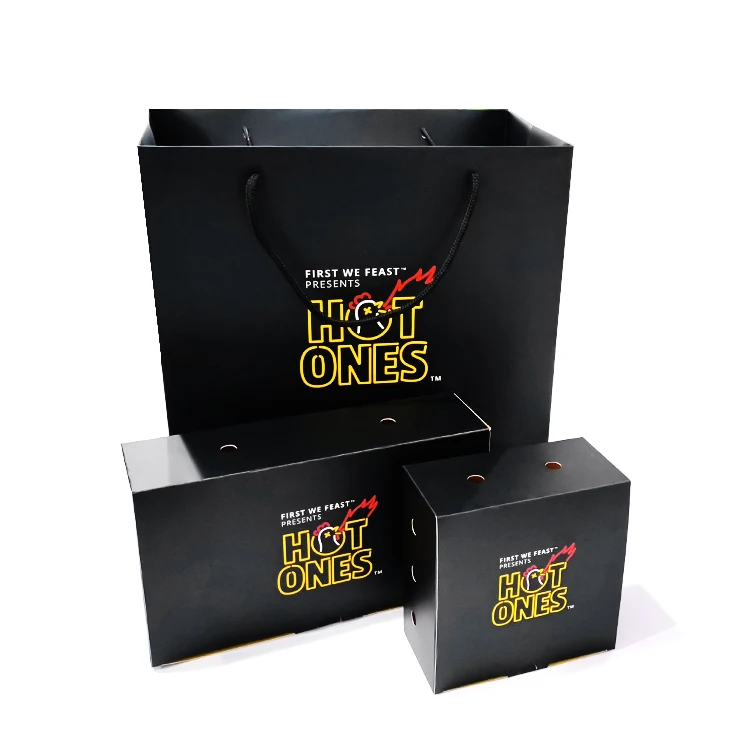
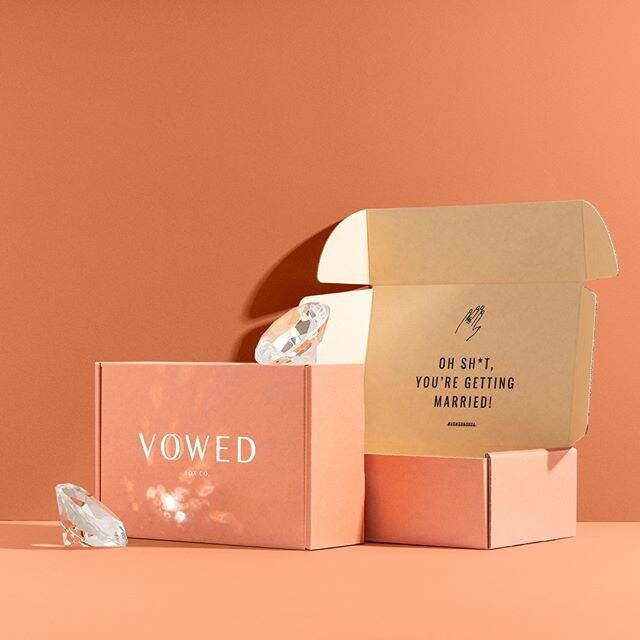
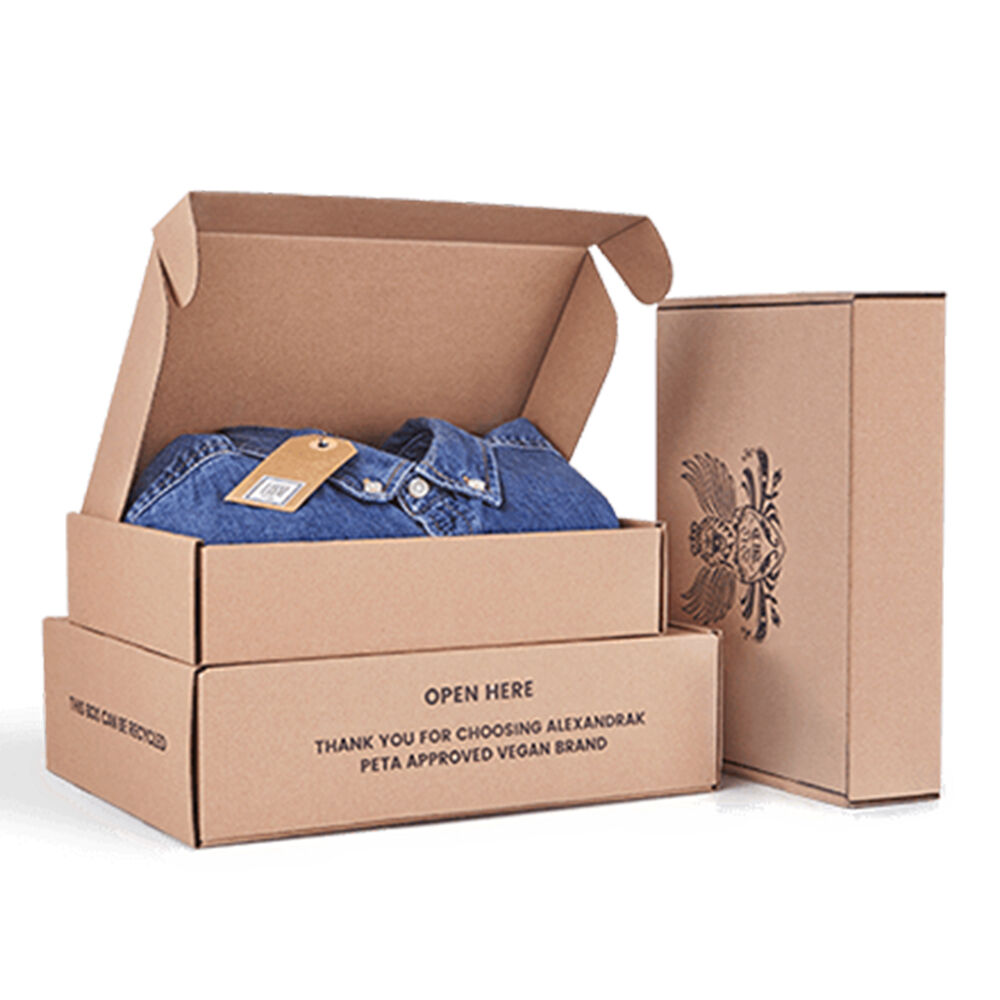
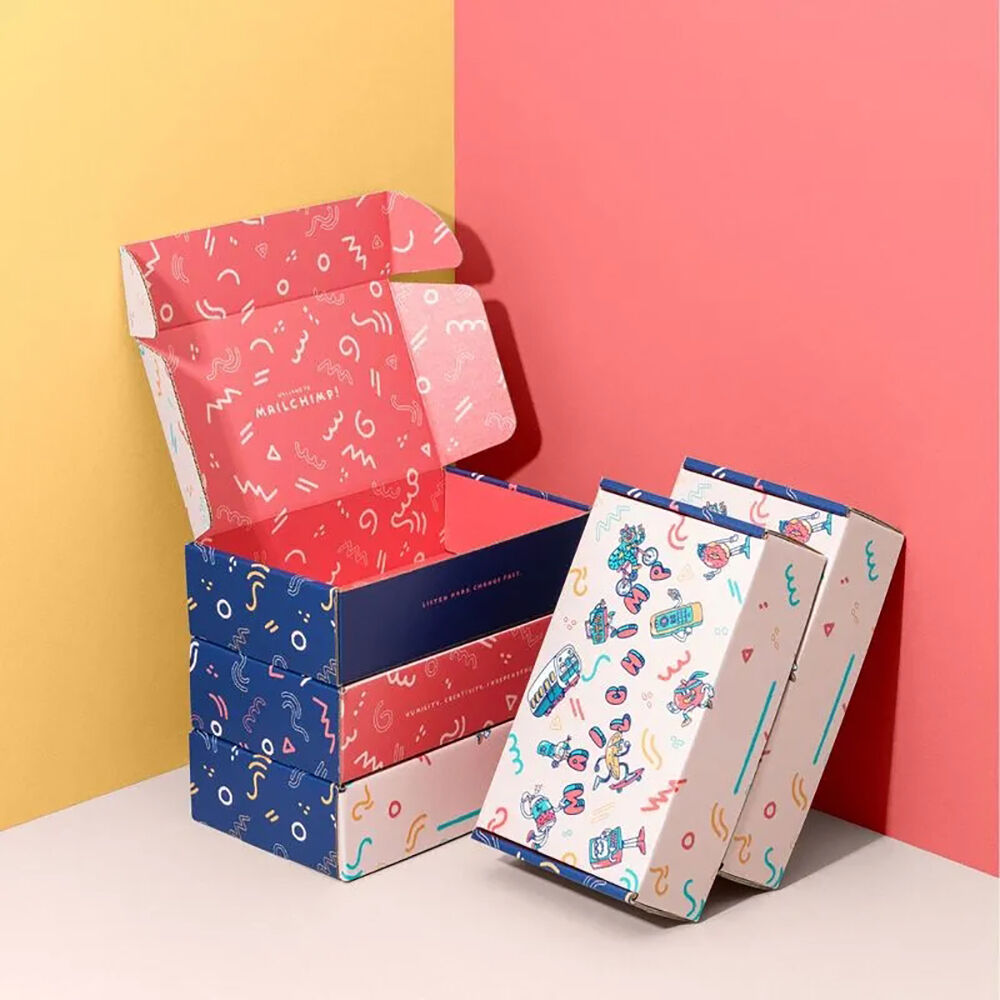
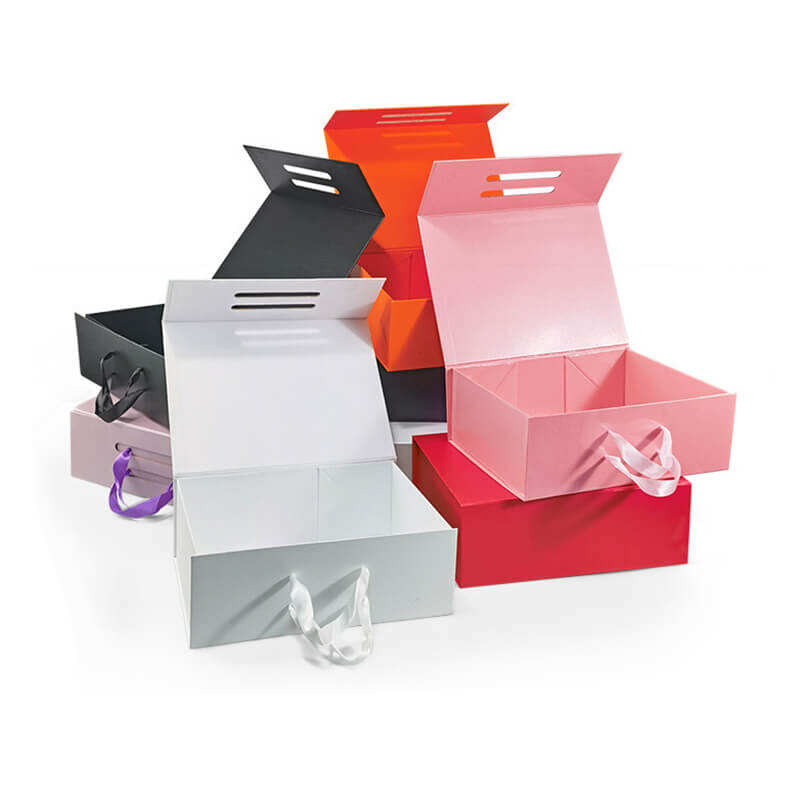
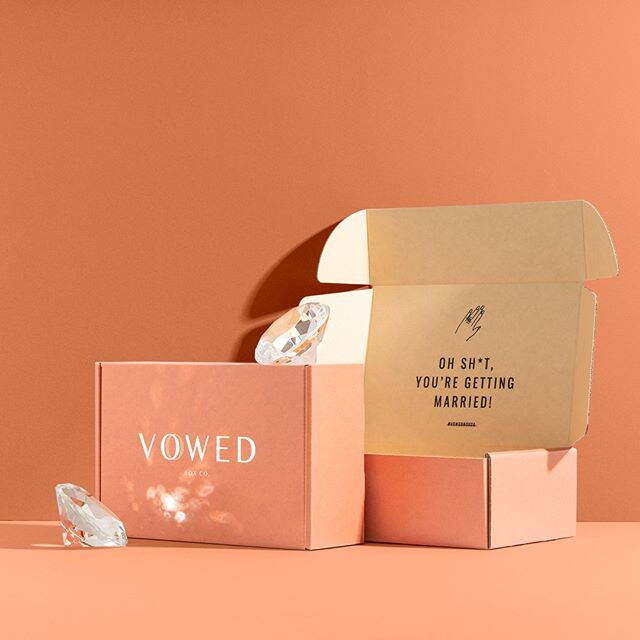
The corrugated fibreboard box serves as far more than a simple shipping container, offering extensive customization possibilities that transform packaging into powerful marketing assets and functional solutions perfectly matched to your products. This flexibility begins with dimensional customization, allowing you to specify exact length, width, and height measurements that eliminate wasted space and optimize material efficiency. When packaging fits products precisely, you reduce the need for void fill materials like foam peanuts or air pillows, cutting costs and simplifying your packing process. Custom sizing also presents products more professionally, creating positive impressions when customers open shipments. Beyond basic dimensions, structural customization addresses specific functional requirements. Die-cutting technology creates boxes with integrated handles for easier carrying, windows that display products without opening containers, or perforations that allow ventilation for fresh produce. You can specify various closure methods including self-locking tabs, tuck-top designs, or full-overlap configurations depending on security needs and ease-of-use priorities. Partition inserts and interior configurations protect multiple items within single corrugated fibreboard boxes, keeping components organized and preventing contact damage between products. Printing capabilities revolutionize how businesses utilize corrugated packaging for brand communication. High-resolution flexographic and digital printing technologies reproduce logos, graphics, and photographs with impressive clarity directly onto box surfaces. Full-color printing attracts attention in retail environments and creates memorable unboxing experiences for e-commerce customers. You can include product information, usage instructions, promotional messages, or social media handles that encourage customer engagement. Some companies design corrugated fibreboard boxes so visually appealing that customers repurpose them for storage rather than recycling immediately, extending brand exposure. Coating options enhance both functionality and appearance. Water-resistant coatings protect contents from moisture during outdoor storage or refrigerated distribution. Grease-resistant barriers suit food packaging applications. UV coatings create glossy finishes that enhance visual impact while protecting printed graphics from scuffing. Material selection provides another customization dimension, with choices ranging from lightweight grades for small items to heavy-duty compositions for industrial products. Recycled content percentages can vary based on your sustainability goals and budget constraints. Some applications require virgin fiber for food contact compliance or maximum strength, while others function perfectly with high recycled content materials. The combination of all these customization options means your corrugated fibreboard boxes can simultaneously protect products, communicate brand identity, meet regulatory requirements, and support operational efficiency, delivering comprehensive value that generic packaging cannot match.
Environmental Sustainability and Circular Economy Benefits

Environmental Sustainability and Circular Economy Benefits

The corrugated fibreboard box exemplifies environmentally responsible packaging through its renewable material sources, recyclability, and alignment with circular economy principles that increasingly influence consumer preferences and corporate sustainability strategies. Understanding these environmental advantages helps businesses make informed decisions that benefit both their operations and the planet. Corrugated packaging begins with responsibly managed forests where trees grow as renewable resources. Forestry certification programs ensure harvesting practices maintain forest health, protect biodiversity, and support regeneration for future generations. The pulp and paper industry has invested heavily in sustainable forestry practices, with many manufacturers sourcing fiber exclusively from certified sustainable forests. This renewable foundation contrasts sharply with petroleum-based packaging materials that deplete finite fossil fuel reserves. Additionally, corrugated fibreboard boxes increasingly incorporate post-consumer recycled content, giving previously used materials new life and reducing demand for virgin fiber. Many manufacturers produce boxes containing seventy to one hundred percent recycled content without compromising structural performance, creating closed-loop systems where old boxes become new boxes repeatedly. This recycling process requires significantly less energy than producing virgin fiber, reducing carbon footprints associated with packaging production. The established recycling infrastructure for corrugated materials makes participation effortless for businesses and consumers. Collection programs exist in virtually every community, accepting corrugated fibreboard boxes curbside or at drop-off centers. Material recovery facilities efficiently sort and process corrugated materials due to their distinct characteristics and high value in recycling markets. Recovery rates for corrugated packaging consistently exceed ninety percent in many regions, representing one of the highest recycling success stories across all material categories. This high recovery rate diverts millions of tons of material from landfills annually, conserving disposal capacity and preventing waste. Biodegradability provides an additional environmental safeguard. While recycling represents the preferred end-of-life pathway, corrugated fibreboard boxes that escape collection systems break down naturally through biological processes. Microorganisms decompose cellulose fibers, returning nutrients to soil without leaving persistent pollutants. This characteristic eliminates concerns about long-term environmental accumulation that plague synthetic packaging materials. Manufacturing advances continue improving the environmental profile of corrugated production. Modern facilities utilize combined heat and power systems that generate electricity from biomass byproducts, achieving energy self-sufficiency while reducing fossil fuel consumption. Water recycling systems minimize freshwater usage and prevent discharge pollution. Lightweighting initiatives reduce material usage without sacrificing performance, decreasing resource consumption per package. Some manufacturers achieve carbon-neutral or carbon-negative operations through renewable energy adoption and forestry carbon sequestration credits. For businesses committed to environmental stewardship, corrugated fibreboard boxes enable credible sustainability claims that resonate with conscious consumers. Packaging choices visibly demonstrate environmental values, influencing purchasing decisions and building brand loyalty among growing segments prioritizing ecological responsibility. Regulatory trends increasingly favor recyclable, renewable packaging materials, making corrugated solutions strategically prudent for long-term business planning and risk mitigation.

Get a Free Quote

Our representative will contact you soon.
Email
Name
Company Name
Message
0/1000