Advanced Printing Technology Integration and Quality Assurance
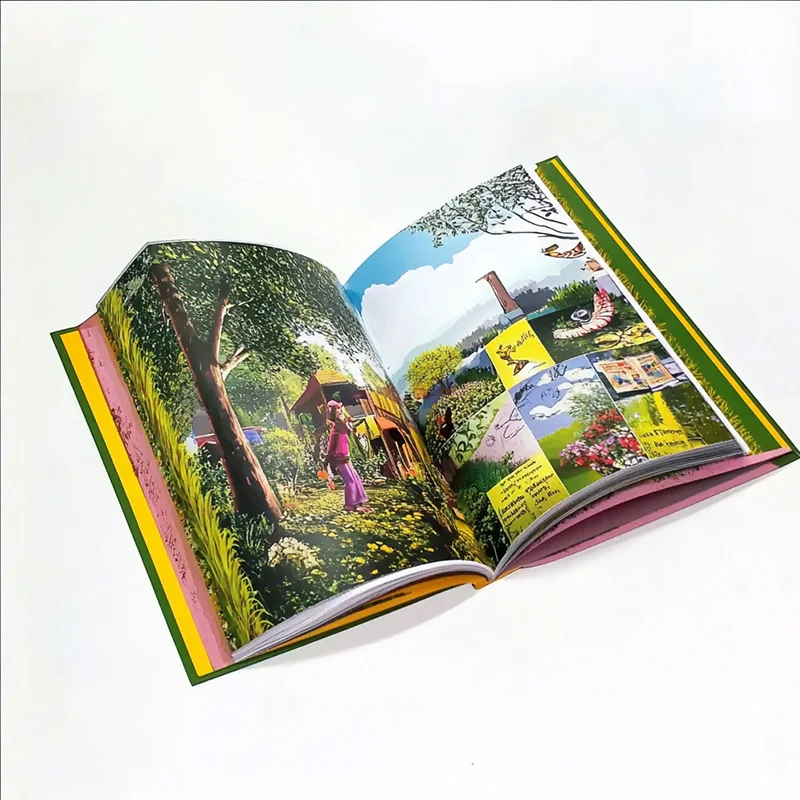
Modern brochure design companies leverage cutting-edge printing technologies and rigorous quality control processes that ensure final products exceed expectations consistently. This technical expertise represents significant value for businesses lacking specialized knowledge about production methods, paper characteristics, finishing options, and quality standards. Understanding how design decisions impact printing outcomes allows a brochure design company to optimize files for specific production techniques, preventing disappointments and maximizing visual impact. The printing landscape offers numerous options including digital printing for short runs with quick turnaround, offset lithography for large quantities with superior color accuracy, and specialty processes like thermography, embossing, foil stamping, and die-cutting that add tactile dimensions. Each method presents unique advantages and limitations regarding color reproduction, paper compatibility, cost efficiency at different quantities, and turnaround times. A brochure design company navigates these complexities, recommending appropriate solutions matching budget constraints and quality expectations while explaining tradeoffs clearly. Quality assurance protocols distinguish professional brochure design companies from amateur designers. These protocols include comprehensive preflight checks verifying file specifications, color proofing to confirm accurate reproduction, paper sample evaluations ensuring appropriate weight and finish, press checks monitoring production runs, and final inspections examining completed pieces for defects. This multi-stage verification process catches potential problems before they become expensive mistakes, protecting client investments and preserving brand reputations. The importance of printing integration extends beyond technical correctness to creative possibilities. Experienced designers understand how different paper stocks affect color saturation, how coatings influence readability under various lighting conditions, and how binding methods impact page layouts. This knowledge informs design decisions from initial concepts, ensuring creative visions translate successfully into physical reality rather than requiring compromises during production. Environmental considerations also factor into modern printing decisions, and a brochure design company guides clients toward sustainable options including recycled papers, vegetable-based inks, and eco-friendly coatings. These choices appeal to environmentally conscious consumers while reducing ecological footprints, aligning marketing materials with corporate social responsibility values. Ultimately, advanced printing integration and quality assurance deliver peace of mind. Clients trust that approved designs will reproduce faithfully, arriving on schedule without unpleasant surprises, ready to represent their businesses professionally in every interaction.

 EN
EN