
 EN
EN


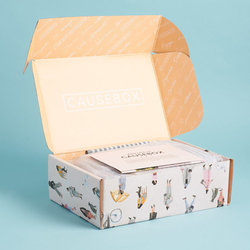
Patent coating tech represents a breakthrough in packaging material science, transforming kraft paper from a moisture-vulnerable material into a dependable, waterproof solution. Traditional kraft paper absorbs water readily, limiting its use in demanding applications where moisture protection is critical. However, advanced patent coating tech has changed this reality entirely. By applying specialized chemical formulations and innovative surface treatments, manufacturers can now create kraft paper that resists water penetration while maintaining the material's structural integrity, cost-effectiveness, and sustainability benefits. Understanding how patent coating tech works and why it matters helps businesses make informed decisions about their packaging materials.
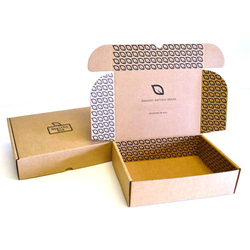
The importance of patent coating tech extends beyond simple water resistance. In industries ranging from food and beverage to pharmaceuticals and electronics, kraft paper packaging must withstand moisture exposure without compromising product integrity or shelf life. Patent coating tech addresses this challenge by creating a protective barrier that prevents water absorption while allowing the material to maintain its natural, recyclable properties. This combination of performance and sustainability makes patent coating tech an attractive solution for environmentally conscious businesses seeking reliable moisture protection without sacrificing their green credentials.
How Patent Coating Tech Creates Waterproof Protection
The Science Behind Waterproof Coatings
Patent coating tech works through multiple mechanisms designed to prevent water molecules from penetrating kraft paper fibers. The coatings typically consist of synthetic polymers, natural resins, or hybrid formulations that create a hydrophobic layer on the paper surface. This layer acts as a barrier that repels liquid water while remaining breathable enough to allow vapor transmission in controlled applications. The chemistry of patent coating tech involves cross-linking polymer chains that form tight, continuous networks across the paper substrate, ensuring that water cannot find pathways through microscopic voids that normally exist in untreated paper. Advanced patent coating tech formulations are engineered to bond chemically with cellulose fibers, creating durability that withstands handling, folding, and environmental stress without peeling or degradation.
Application Methods and Process Control
Patent coating tech is applied through several industrial methods, each chosen based on desired performance, production speed, and cost considerations. Roll-coated application distributes patent coating tech uniformly across kraft paper surfaces as the material moves through industrial coating stations. Spray application offers flexibility for targeting specific areas or achieving varying thickness profiles, while curtain coating ensures complete, bubble-free coverage at high production rates. The precision of patent coating tech application directly impacts its effectiveness; excessive thickness increases costs without proportional benefits, while insufficient thickness compromises waterproofing performance. Modern patent coating tech systems incorporate quality monitoring sensors that measure coating weight, uniformity, and adhesion in real time, ensuring consistent waterproof performance across all produced material.
Performance Benefits and Industrial Applications
Superior Moisture Barrier Properties
Patent coating tech delivers measurable moisture barrier improvements that transform kraft paper capabilities. Untreated kraft paper typically exhibits water absorption rates that render it unsuitable for wet or humid environments. With patent coating tech applied, the same kraft paper achieves water absorption rates below one percent, meeting or exceeding requirements for demanding applications. This performance persists even after kraft paper is subjected to creasing, folding, or surface abrasion during packaging operations. Patent coating tech maintains its barrier integrity across wide temperature and humidity ranges, ensuring reliable protection whether kraft paper packaging faces refrigerated storage, tropical humidity, or accelerated shipping conditions. The durability of patent coating tech coatings means waterproof performance persists throughout the entire product lifecycle, from manufacturing through retail display to customer receipt.
Sustainability and Cost Efficiency
Patent coating tech enables businesses to maintain kraft paper as their primary packaging material while achieving waterproof performance previously requiring alternative substrates like plastic-laminated paper or synthetic films. This approach preserves kraft paper's recyclability and compostability, as many advanced formulations of patent coating tech use water-based or biodegradable components. The cost structure of patent coating tech is attractive compared to complete material substitution; adding a protective coating layer to kraft paper costs significantly less than switching to entirely different packaging materials. Patent coating tech also reduces material waste by eliminating the need for multiple-layer composite materials that complicate recycling processes. Businesses adopting patent coating tech often achieve simultaneous improvements in sustainability metrics, regulatory compliance, and total packaging costs, making it an economically sound decision alongside environmental responsibility.
Selection Factors and Implementation Considerations
Matching Patent Coating Tech to Application Requirements
Selecting the appropriate patent coating tech formulation requires understanding specific moisture exposure scenarios and product requirements. Food packaging presents different demands than electronics or pharmaceutical applications; patent coating tech formulations for food contact must meet FDA and international safety regulations, requiring specific material certifications and testing protocols. Patent coating tech for water-intensive applications like beverage packaging demands higher water resistance than applications with intermittent moisture exposure. Oil and grease resistance becomes critical when patent coating tech is specified for packaging fatty foods or petroleum-based products. Understanding these nuances ensures that chosen patent coating tech delivers precisely the protection needed without over-engineering unnecessary performance that increases costs without value. Consultation with material suppliers and testing of samples under actual use conditions helps validate that patent coating tech selections align with real-world packaging demands.
Production Integration and Quality Verification
Successfully implementing patent coating tech requires careful integration into existing kraft paper production workflows. Existing manufacturing equipment often requires modification or replacement of coating modules to accommodate new patent coating tech formulations and application methods. Production managers must establish baseline parameters for patent coating tech application rates, cure times, temperature profiles, and quality checkpoints. Patent coating tech performance depends on consistent application and complete cross-linking of coating materials; inadequate cure processes result in reduced waterproof performance and potential field failures. Training production staff on patent coating tech best practices, equipment operation, and troubleshooting builds internal capability and reduces costly startup delays. Regular verification testing of finished kraft paper coated with patent coating tech—using water immersion tests, moisture vapor transmission measurement, and accelerated aging protocols—confirms that production output meets performance specifications and maintains consistent quality across all production batches.
FAQ
What makes patent coating tech superior to traditional waterproofing methods for kraft paper?
Patent coating tech offers superior performance because it creates a continuous, chemically bonded barrier on kraft paper surfaces that prevents water penetration while maintaining breathability and recyclability. Unlike wax coatings or plastic laminates that remain on the surface or create permanent composite materials, patent coating tech integrates with kraft paper structure, providing durable protection that resists creasing and mechanical stress. The formulations can be customized for specific applications, offering targeted solutions that balance performance, cost, and environmental impact better than one-size-fits-all alternatives.
Can patent coating tech be applied to kraft paper that has already been printed or embossed?
Yes, patent coating tech can be applied after printing and embossing, though timing and formulation matter significantly. Patent coating tech applied as a final step seals printed graphics while enhancing their durability and water resistance. Some patent coating tech formulations are specifically designed to enhance printed colors and provide UV protection. However, certain patent coating tech types may interact differently with inks depending on ink chemistry; pre-application testing ensures compatibility and prevents quality issues like ink smudging, color shifts, or adhesion problems.
How does patent coating tech impact the recyclability and environmental profile of kraft paper packaging?
Patent coating tech enhances kraft paper's environmental profile by extending material life and preserving recyclability. Many modern patent coating tech formulations use water-based polymers or biodegradable components that don't compromise paper recycling processes or contaminate recycling streams. Patent coating tech eliminates the need for multi-layer composite materials that are difficult or impossible to recycle, making kraft paper coated with patent coating tech more sustainably manageable than plastic-laminated alternatives. This represents a meaningful advancement in achieving waterproof packaging performance without sacrificing circular economy principles.