
 EN
EN



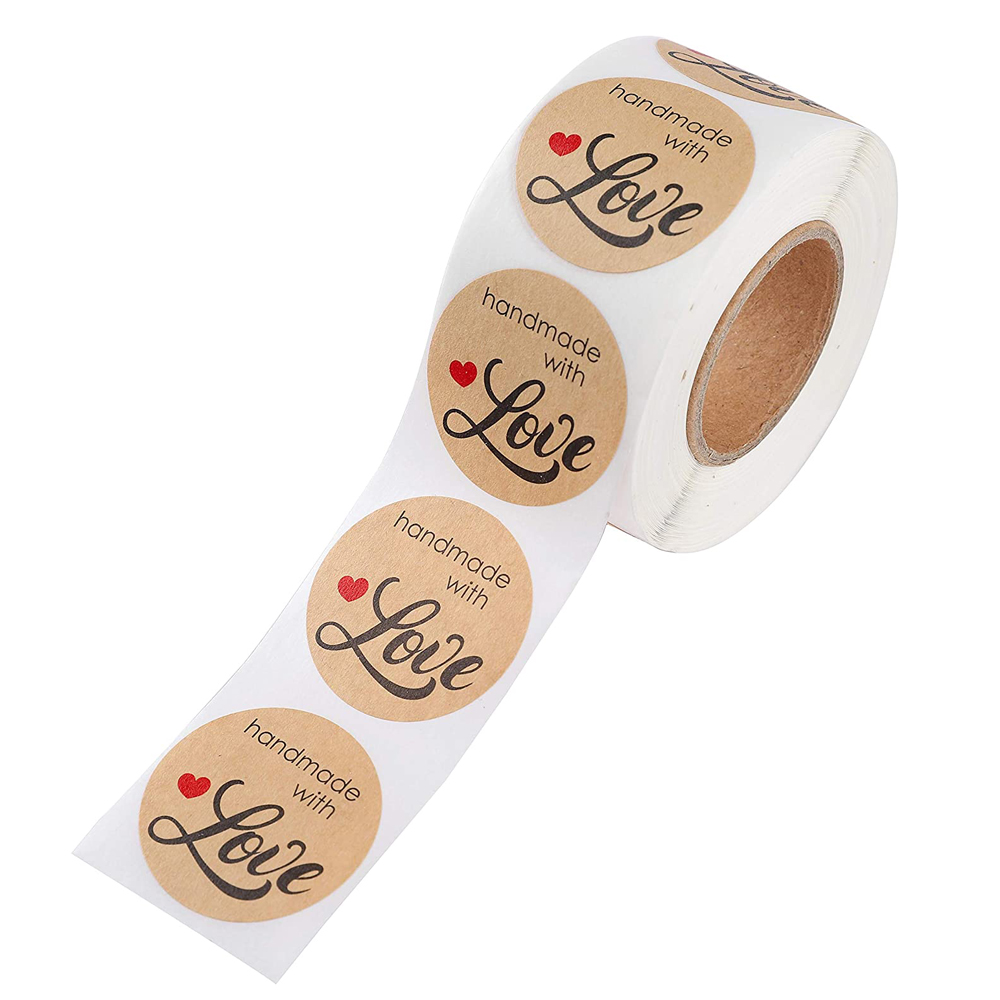
Selecting the appropriate adhesive strength for stickers is one of the most critical decisions in custom label and decal production. The wrong adhesive choice can result in stickers that either peel away prematurely or bond so permanently that removal becomes impossible without damage. Understanding how to evaluate and choose the right adhesive strength for stickers ensures your labels perform as intended across diverse applications and environments.
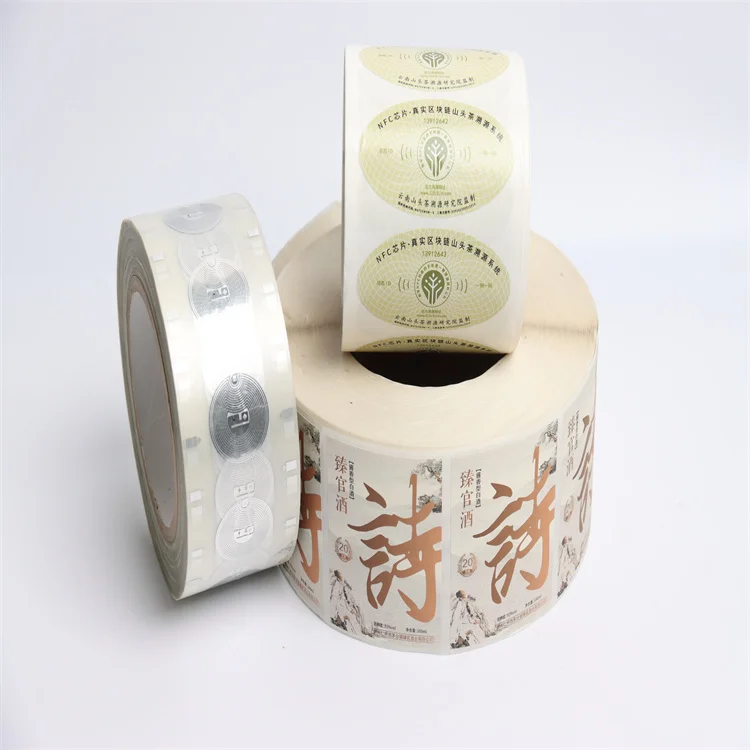
The process of choosing adhesive strength for stickers involves balancing multiple factors including substrate material, intended application duration, environmental exposure, and removal expectations. Whether you are producing promotional decals, product labels, warning stickers, or industrial markers, the foundation of your decision rests on understanding adhesive strength categories and their real-world performance characteristics.
Understanding Adhesive Strength Categories
Permanent and Semi-Permanent Adhesives
Permanent adhesive strength for stickers creates a long-lasting bond designed to withstand extended environmental stress, repeated handling, and moisture exposure. This category of adhesive strength for stickers is ideal for outdoor signage, product labeling, and safety warnings where removal is not expected. Permanent adhesive typically generates initial tack within seconds and reaches full strength within 24 to 72 hours, depending on substrate porosity and temperature conditions.
Semi-permanent adhesive strength for stickers offers a middle ground, providing reliable adhesion while maintaining some removability under specific conditions. This adhesive strength for stickers category works well for retail shelf labels, promotional stickers on packaging, and temporary branding applications. Semi-permanent formulations allow careful removal without leaving excessive residue, making them preferred for temporary yet durable applications across multiple industries.
Removable and Low-Tack Adhesives
Removable adhesive strength for stickers prioritizes easy removal and residue-free cleanup, making it essential for applications where stickers must be replaced frequently or repositioned without substrate damage. This adhesive strength for stickers type works exceptionally well for office labels, repositionable decals, window stickers, and temporary promotional materials. Removable adhesive bonds sufficiently to prevent accidental dislodging during normal use while allowing manual peeling without surface deterioration.
Low-tack or ultra-removable adhesive strength for stickers represents the gentlest adhesive category, designed for delicate surfaces and short-term applications. This adhesive strength for stickers formulation works on painted surfaces, wallpaper, sensitive electronics, and high-gloss materials where aggressive adhesion could cause damage. Low-tack options ensure stickers remain in place during their intended lifespan while prioritizing surface protection during removal.
Evaluating Surface Materials and Application Environments
Surface Preparation and Material Compatibility
The substrate surface fundamentally determines which adhesive strength for stickers will perform optimally. Smooth, non-porous surfaces like glass, metal, and plastic require higher adhesive strength for stickers because adhesive bonds through mechanical interlocking with surface irregularities rather than absorption. Conversely, porous substrates like cardboard, wood, and fabric naturally enhance adhesion, allowing lower adhesive strength for stickers formulations to achieve excellent results.
Surface cleanliness directly impacts adhesive strength for stickers performance. Dust, oil residue, moisture, or contaminants on the application surface reduce contact between adhesive and substrate, weakening the bond significantly. Proper surface preparation through cleaning and degreasing ensures your chosen adhesive strength for stickers achieves maximum effectiveness, whether you select permanent, semi-permanent, or removable formulations.
Environmental Factors and Durability Requirements
Environmental exposure profoundly influences adhesive strength for stickers selection decisions. Outdoor applications experiencing temperature fluctuations, UV radiation, moisture, and wind require high-performance adhesive strength for stickers that resists degradation. Indoor applications in climate-controlled environments allow greater flexibility in adhesive strength for stickers choices since temperature swings and humidity variations remain minimal.
Chemical resistance is another critical consideration when choosing adhesive strength for stickers for industrial applications. Stickers exposed to solvents, oils, or cleaning compounds need specialized adhesive strength for stickers formulations that maintain bond integrity despite chemical contact. Healthcare labels, laboratory stickers, and manufacturing markers demand adhesive strength for stickers that resists degradation from common workplace chemicals while maintaining clear visibility and readability.
Practical Selection Guidelines and Decision Framework
Matching Adhesive Type to Application Scenarios
Promotional stickers and seasonal decorations typically benefit from removable adhesive strength for stickers because they require frequent updates and repositioning without substrate damage. Retail shelf labels and price tags often utilize semi-permanent adhesive strength for stickers that remain secure during regular shelf rotation while allowing eventual removal without excessive residue. Product packaging labels, safety warnings, and asset tracking stickers demand permanent adhesive strength for stickers that maintains integrity throughout the product lifecycle.
Medical device labels and pharmaceutical stickers require adhesive strength for stickers engineered for biocompatibility, sterilization resistance, and regulatory compliance. Automotive decals and outdoor signage need adhesive strength for stickers that withstands extreme temperatures, UV exposure, and mechanical stress from wind and weather conditions. Understanding your specific application environment ensures your adhesive strength for stickers selection aligns with performance requirements rather than relying on generic recommendations.
Testing and Validation Before Full Production
Before committing to large production runs, conducting adhesive testing is essential for validating adhesive strength for stickers performance on your specific substrate. Small-batch trials allow assessment of initial tack, final bond strength, removal characteristics, and long-term durability in your actual application environment. This testing phase identifies whether your chosen adhesive strength for stickers meets performance standards or requires adjustment before full-scale manufacturing.
Temperature cycling, humidity exposure, and chemical resistance testing provide objective data on how your selected adhesive strength for stickers will perform across the product's intended lifespan. Documentation of these adhesive performance results creates valuable records for quality assurance, regulatory compliance, and customer satisfaction. adhesive strength for stickers options from reputable suppliers often include technical data sheets that support these validation efforts.
FAQ
What is the difference between permanent and removable adhesive strength for stickers?
Permanent adhesive strength for stickers creates an irreversible bond that resists removal and environmental stress, making it ideal for long-term applications. Removable adhesive strength for stickers maintains sufficient hold for temporary use while allowing clean removal without surface damage or excessive residue, perfect for repositionable and short-term applications.
How does surface material affect the required adhesive strength for stickers?
Smooth, non-porous surfaces like glass and metal require higher adhesive strength for stickers because adhesion relies on surface-level bonding rather than absorption. Porous substrates like cardboard naturally enhance adhesion, allowing lower adhesive strength for stickers formulations to achieve excellent results with less aggressive bonding power.
Can I test adhesive strength for stickers before full production?
Yes, conducting small-batch trials with your intended substrate allows you to evaluate adhesive strength for stickers performance under actual use conditions. Temperature cycling, humidity testing, and chemical exposure trials provide objective data on whether your selected adhesive strength for stickers meets durability requirements before committing to large production runs.