
 EN



Lamination and UV treatments improve sticker resistance by adding protection at the printed surface. Lamination applies a clear film, while a UV treatment uses ultraviolet-curable coating or ink; each can help a sticker withstand specific forms of wear. The right choice depends on where the sticker will be used, what it will contact, and how long its appearance must remain legible.
These finishes do not make every sticker indestructible, and neither replaces a suitable face material or adhesive. They address different risks, so comparing them means considering abrasion, moisture, sunlight, cleaning, and application conditions. Understanding those differences helps packaging, equipment, and product teams specify a sticker finish that fits its actual service environment.
How Each Finish Adds Surface Protection
Lamination creates a physical barrier
A laminated sticker receives a thin transparent film over its printed face. That layer takes much of the rubbing and scratching that would otherwise reach the ink, making lamination useful when a sticker is handled, packed against other items, or wiped during routine care. Film thickness, material, and application quality all influence the resulting protection.
Because the film covers the graphic, it can also help limit direct contact with moisture and dirt. A sticker used on a bottle, case, or tool may therefore retain a cleaner appearance through ordinary handling. However, lamination does not seal every edge or prevent water from reaching the adhesive if the construction or application is unsuitable.
UV treatment helps protect print and finish
UV treatment can refer to a cured clear coating or UV-cured printing inks, so the specification should clarify which is intended. A clear coating forms a surface layer, while UV-cured ink is hardened during printing. Depending on formulation and exposure, these approaches can support a sticker's resistance to scuffing or light-related fading.
A UV coating is not automatically equivalent to a film laminate. It may preserve a thinner profile and can provide a chosen gloss or matte appearance, but the sticker's performance still depends on material, coating coverage, curing, and use conditions. Ask for details about the treatment rather than relying on the word UV alone.
Which Resistance Benefits Matter in Use
Abrasion and frequent handling
For repeated contact, lamination is often considered because its film separates the printed surface from fingers, packaging, and incidental friction. A sticker on a reusable container or frequently moved component may benefit from that sacrificial layer. For a lightly handled product label, a suitable UV coating may offer enough surface protection without adding a film.
The type of contact matters as much as its frequency. Dry rubbing differs from scraping, and a cleaning cloth differs from an abrasive pad. Before approving a sticker for production, identify likely contact points and assess finished samples using representative handling. A finish can reduce visible wear, but it cannot guarantee resistance to every sharp object or cleaning method.
Moisture, sunlight, and cleaning
A laminate can act as a barrier against splashes on the face of a sticker, but exposed edges remain a potential path for moisture. For wet applications, specify compatible face stock and adhesive alongside the finish. Check whether the sticker must tolerate condensation, immersion, oils, or cleaning agents, since those conditions are not interchangeable.
Sunlight resistance depends on the ink, substrate, coating, and duration and intensity of exposure. UV treatment may help protect a sticker's print, but it should not be treated as a promise of permanent color stability outdoors. For a sticker installed near a window or outside, request exposure guidance and test a sample in the intended location when practical.
Cleaning requirements also shape the choice. A smooth laminated sticker may be easier to wipe than an uncoated print, yet aggressive chemicals can affect the film, ink, or adhesive. Share the cleaner, contact time, and cleaning frequency with the converter, then verify the complete sticker construction rather than testing the coating alone.
How to Specify and Verify a Suitable Finish
Match finish to the application
Start by describing the surface, service environment, and expected life of the sticker. Note whether it will be indoors or outdoors, touched often or rarely, and exposed to water, heat, sunlight, or chemicals. This information makes the choice between laminate, UV treatment, or an uncoated finish more specific than selecting by appearance alone.
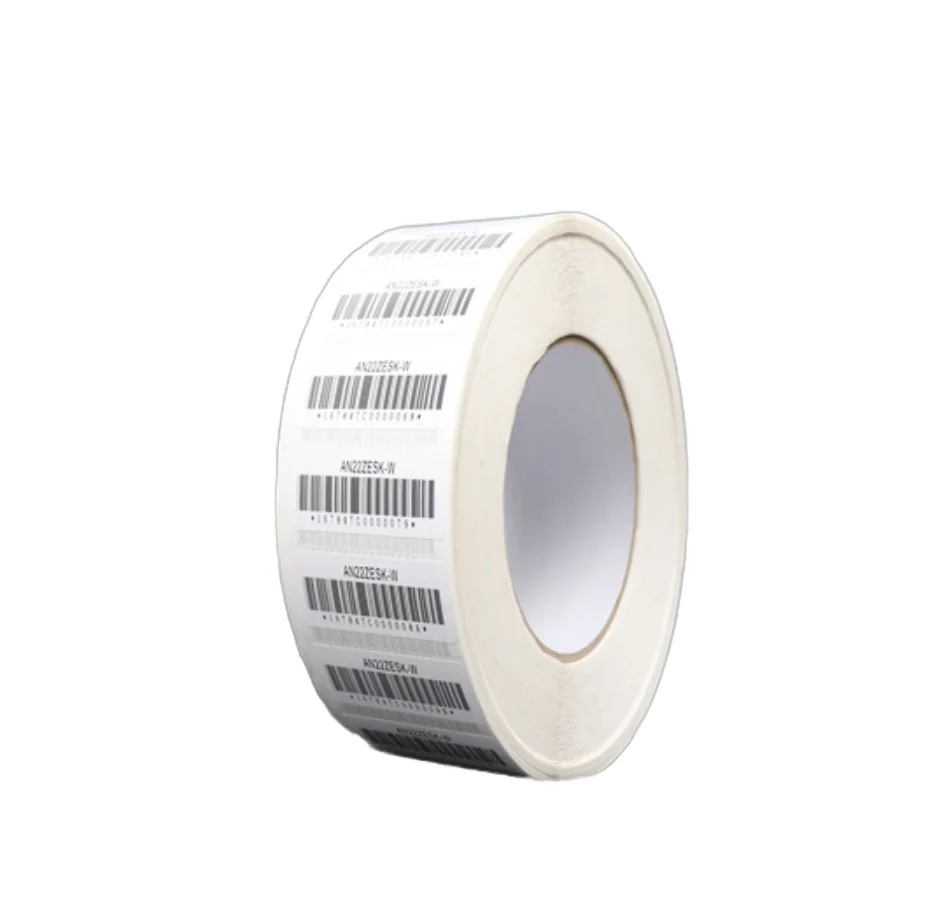
Appearance and function should be considered together. Gloss lamination can intensify visual contrast, while matte film can reduce reflections; a coating may offer a different feel and profile. If the sticker carries a barcode, small text, or instructions, check readability under the lighting where it will be used. The finish should protect the message without undermining it.
Test the complete construction
A meaningful evaluation uses the actual face material, ink, finish, adhesive, and application surface. Apply the sticker as directed, allow the adhesive its specified setting time, then expose it to realistic handling or cleaning. Look for scuffing, lifting, discoloration, bubbling, and changes in legibility, not just damage to the topcoat.
Document test conditions so purchasing and production teams can repeat the assessment. Include temperature, moisture, cleaner, rubbing method, and exposure duration where relevant. This process helps determine whether a sticker needs a stronger barrier or whether another part of the label construction is the limiting factor. Confirm final requirements with the print provider before scaling up.
FAQ
Does lamination make a sticker waterproof?
Lamination can protect the printed face from splashes, but it does not by itself make every sticker waterproof. Edge exposure, adhesive compatibility, substrate, and application surface matter. Specify the real moisture conditions and test the complete sticker assembly before use.
Is UV treatment better than lamination for outdoor use?
Not in every case. UV treatment may help protect print from wear or light, while lamination adds a distinct film barrier. Outdoor suitability depends on all materials and actual exposure, so compare specifications and test a representative sticker in its intended environment.
Can a laminated sticker still be scratched?
Yes. A laminate can reduce everyday abrasion, but sharp tools, rough surfaces, and forceful scraping can damage the film or underlying print. Choose a finish based on expected contact and verify it with a practical handling test before approving the sticker for production.