Customization Capabilities That Elevate Brand Presence and Market Impact
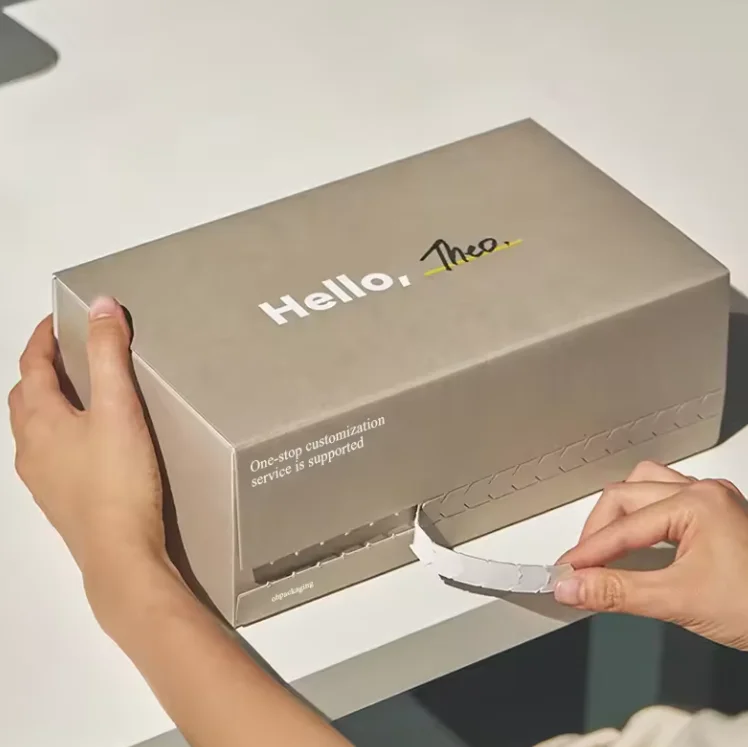
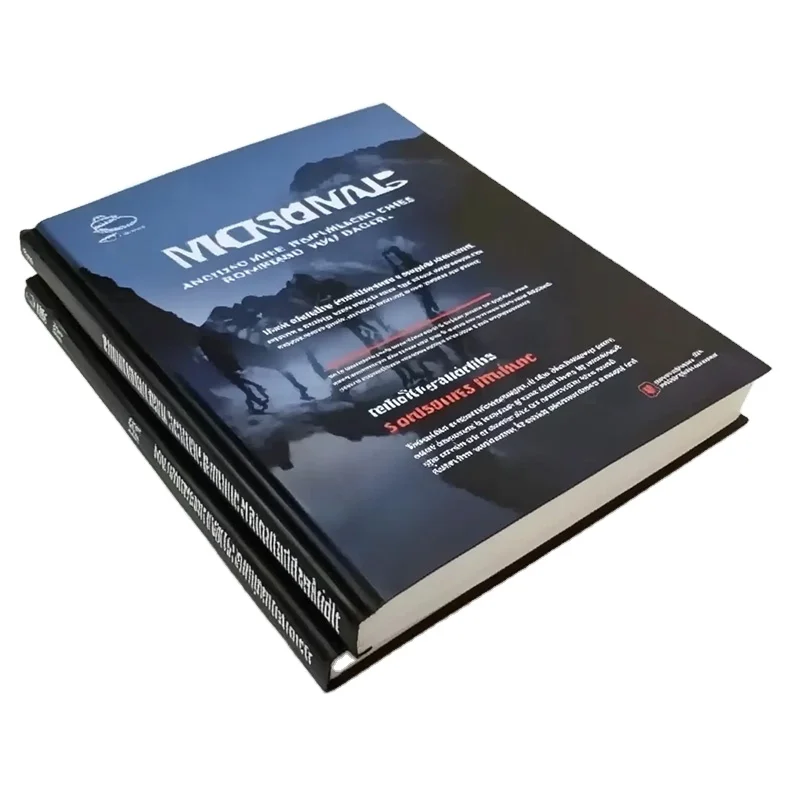
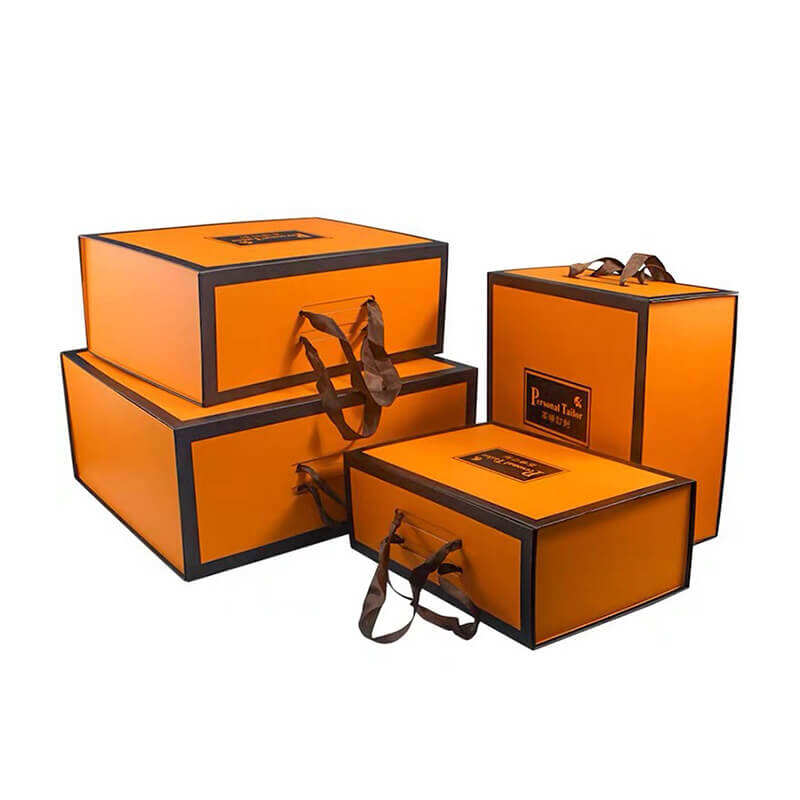
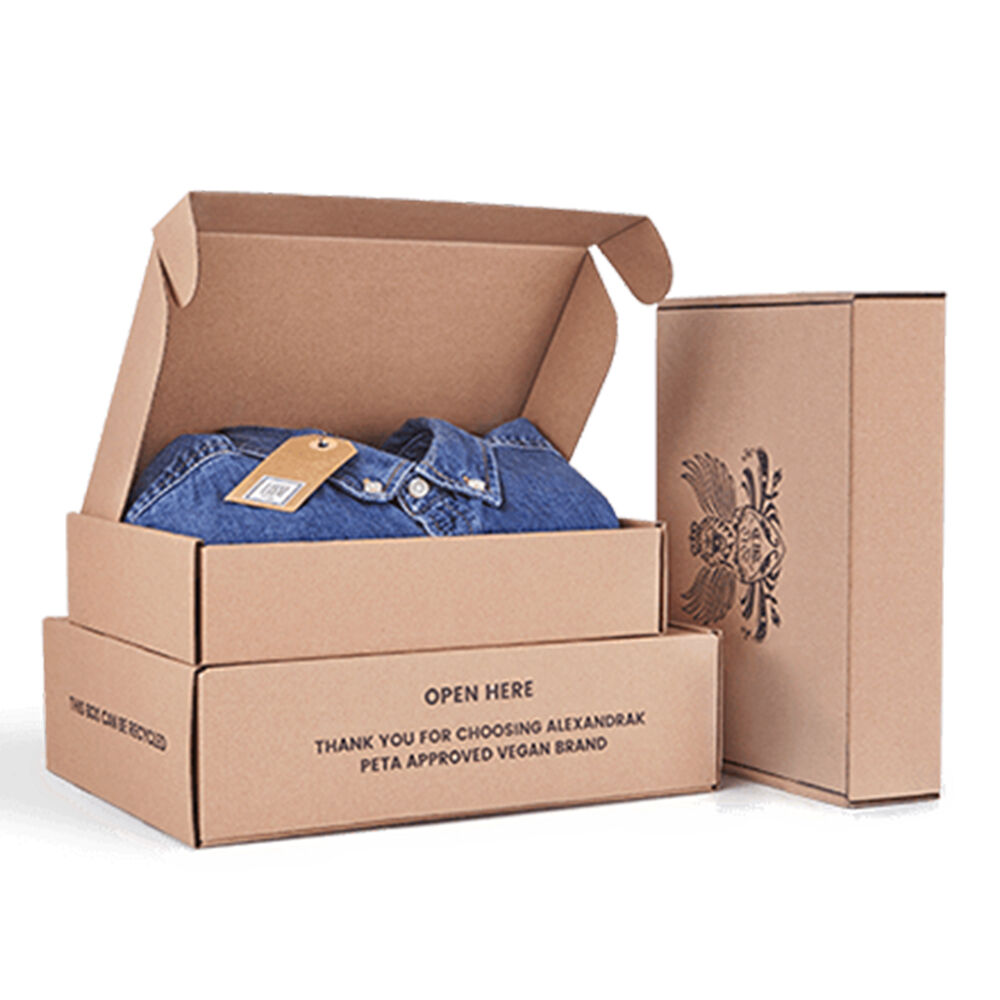
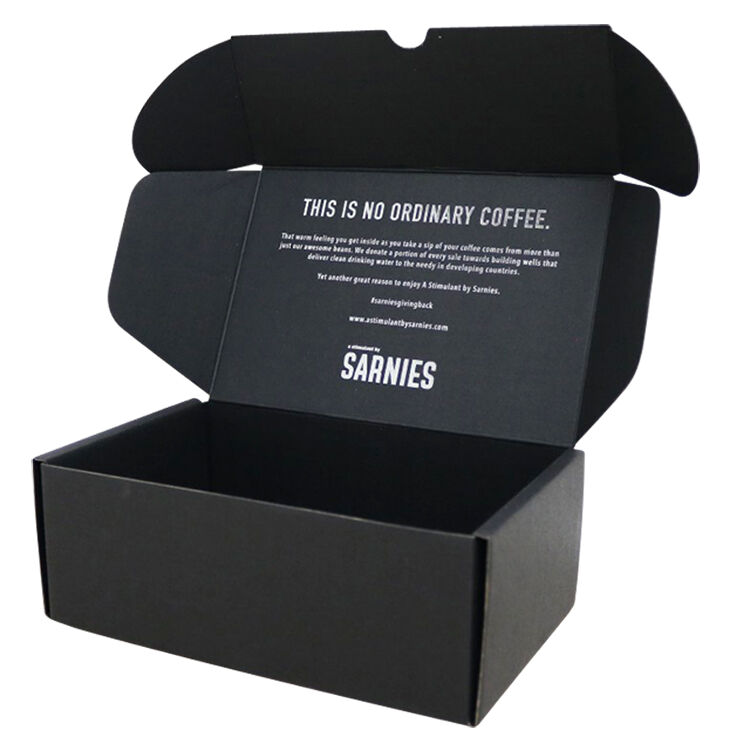
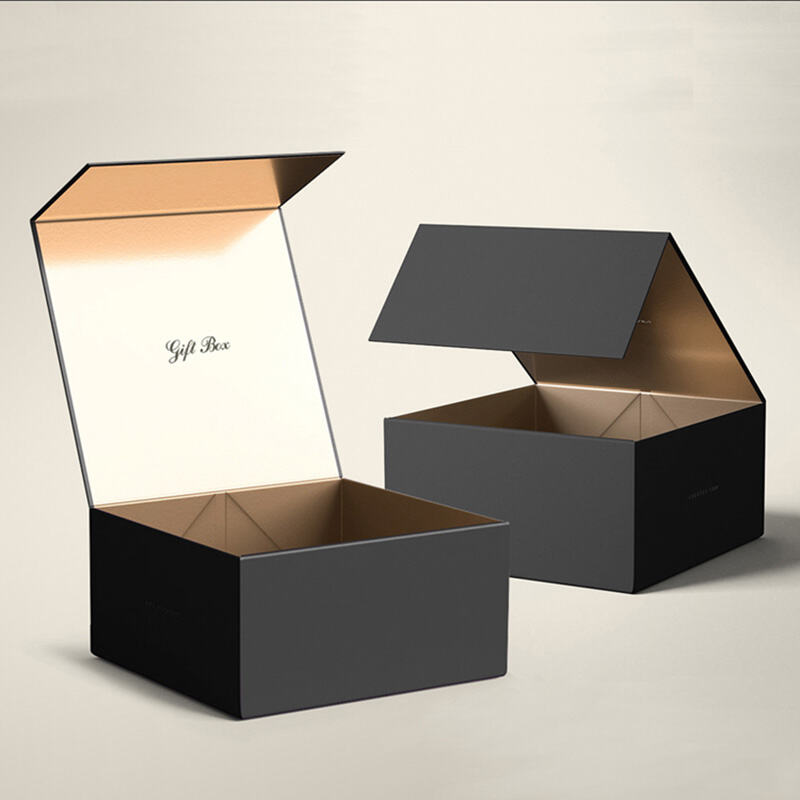
The customization capabilities offered by professional paper packaging suppliers represent a powerful competitive advantage that transforms packaging from mere product protection into a strategic marketing tool. These suppliers employ sophisticated design teams and advanced manufacturing technologies that can bring virtually any packaging concept to life, creating distinctive brand experiences that resonate with target customers. The customization process typically begins with collaborative consultation where packaging experts work directly with clients to understand brand identity, product characteristics, target demographics, and marketing objectives. This comprehensive approach ensures that the final packaging design aligns perfectly with broader brand strategy while meeting functional requirements. Paper packaging suppliers utilize state-of-the-art printing technologies including offset printing, digital printing, and flexographic printing that reproduce complex graphics, photography, and brand colors with remarkable accuracy and consistency. These printing capabilities allow businesses to create packaging that tells their brand story, communicates product benefits, and emotionally connects with consumers at the critical point of purchase. Beyond printing, structural customization options enable the creation of unique box shapes, innovative opening mechanisms, and specialized inserts that enhance unboxing experiences and increase perceived product value. Die-cutting precision allows paper packaging suppliers to produce intricate windows, handles, and decorative elements that add functional and aesthetic value to packaging designs. Surface finishing options such as matte or gloss lamination, spot UV coating, embossing, debossing, and foil stamping provide tactile and visual elements that convey premium quality and brand sophistication. These finishing techniques create sensory experiences that differentiate products in crowded retail environments and leave lasting impressions on consumers. The flexibility of paper as a substrate allows packaging suppliers to work with various weights and grades of paperboard, selecting materials that provide the optimal balance of protection, printability, and cost for each specific application. For businesses launching new products or running limited-edition promotions, paper packaging suppliers can produce small to medium batch quantities economically, unlike some packaging types that require prohibitively large minimum orders. This flexibility supports market testing, seasonal campaigns, and regional variations without excessive inventory risk. Digital printing technologies have particularly revolutionized short-run customization, enabling variable data printing that can personalize packaging for specific retailers, regions, or even individual customers. The speed with which paper packaging suppliers can develop prototypes and samples accelerates the product development cycle, allowing businesses to test packaging concepts with focus groups or in limited market releases before committing to full production runs.

 EN
EN