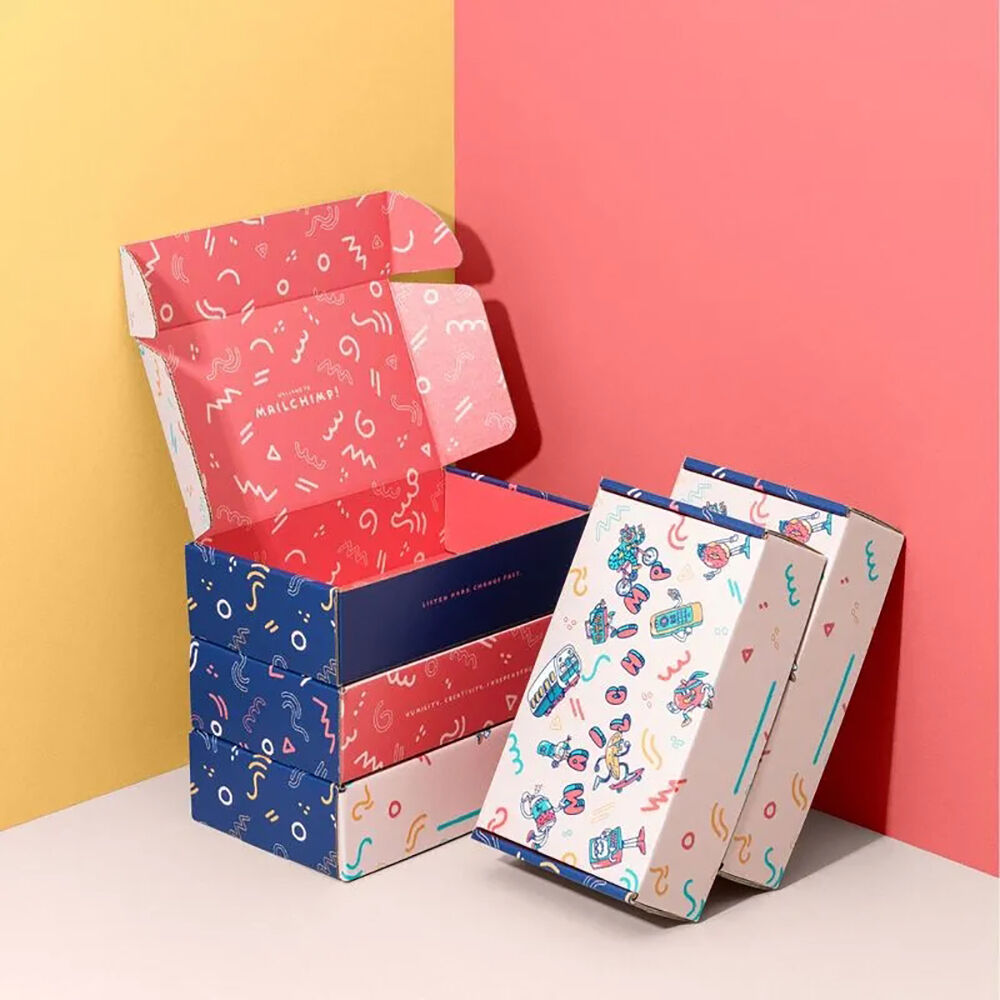
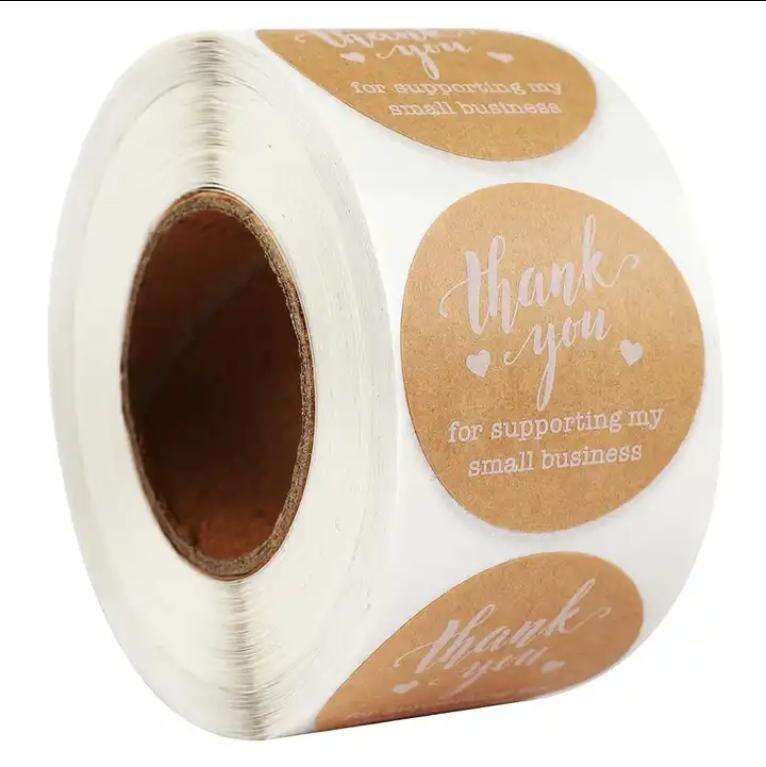
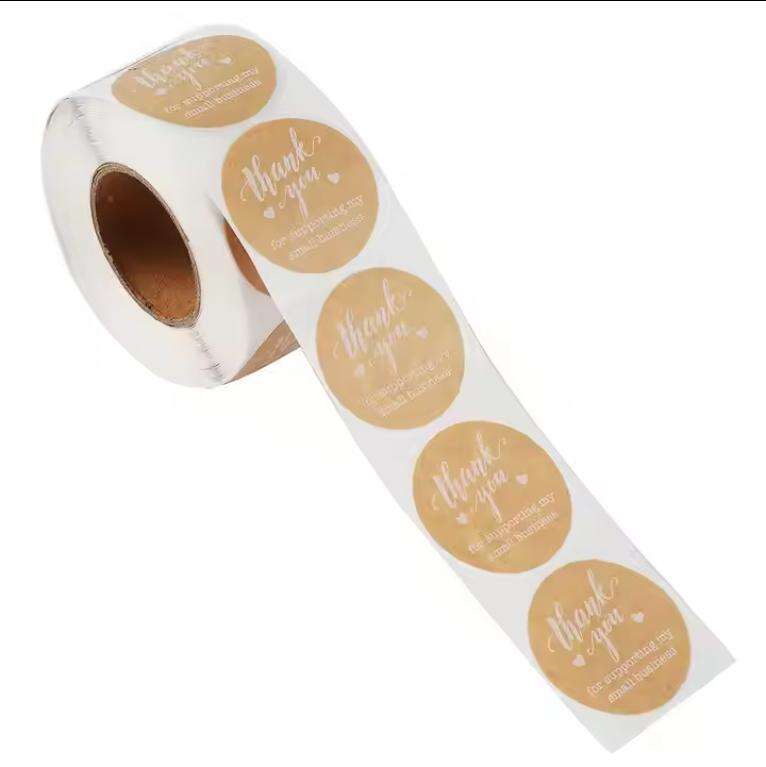
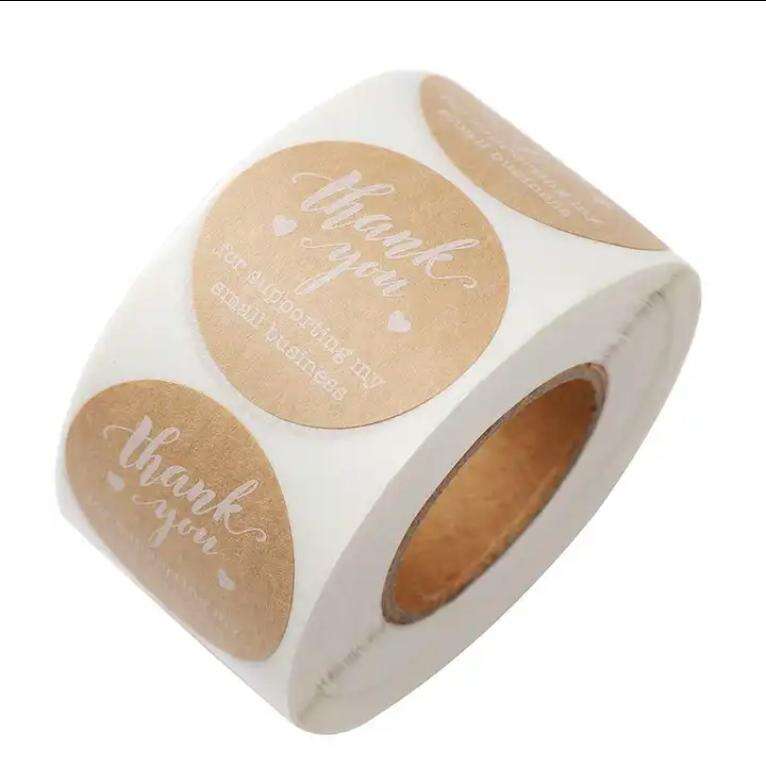
प्रीमियम प्रिंटिंग तकनीक के माध्यम से बढ़ाया गया दृश्य आकर्षण
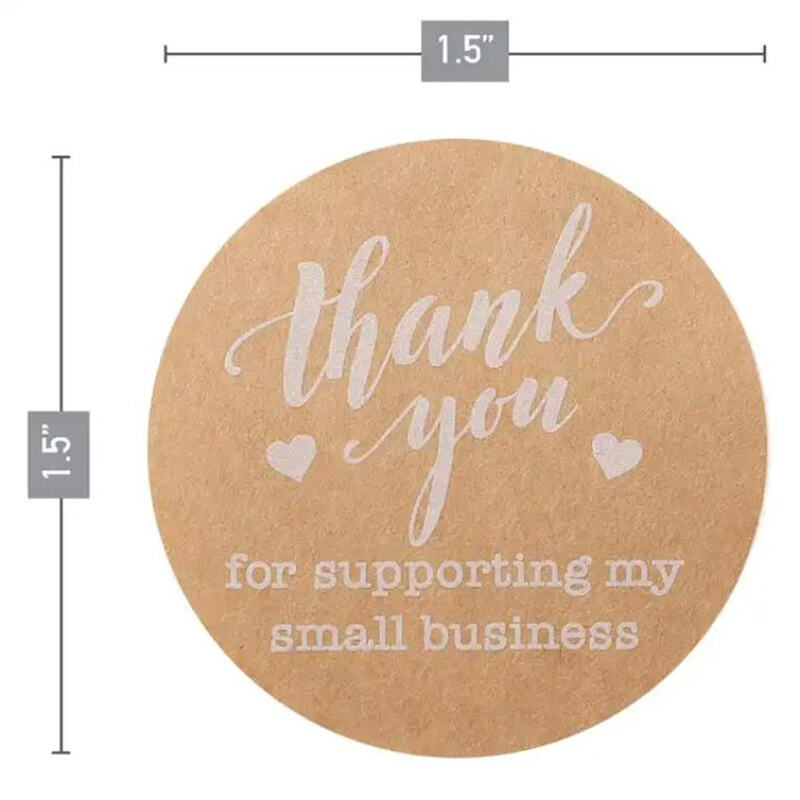
उच्च गुणवत्ता वाले स्टिकर के माध्यम से प्राप्त दृश्य उत्कृष्टता एक शक्तिशाली विपणन प्रभाव उत्पन्न करती है, जो ध्यान आकर्षित करती है, व्यावसायिकता का संचार करती है और प्रतिस्पर्धी बाज़ारों में ब्रांड पहचान को मज़बूत करती है। यह उत्कृष्ट उपस्थिति उन्नत मुद्रण प्रौद्योगिकियों और प्रीमियम सामग्रियों के संयुक्त प्रयोग से प्राप्त होती है, जो डिज़ाइनों को अत्यधिक स्पष्टता, रंग सटीकता और दृश्य गहराई के साथ पुनरुत्पादित करने में सक्षम हैं। डिजिटल मुद्रण क्षमताएँ तीन सौ डॉट्स प्रति इंच से अधिक रिज़ॉल्यूशन के साथ फोटो-गुणवत्ता वाली छवि पुनरुत्पादन को सक्षम बनाती हैं, जिससे जटिल विवरण, सूक्ष्म रंग संक्रमण और सूक्ष्म लेखन भी छोटे आकार में तीव्र और सुपठ्य बने रहते हैं। रंग प्रबंधन प्रणालियाँ विशिष्ट ब्रांड रंगों के सटीक पुनरुत्पादन को सुनिश्चित करती हैं, जिससे उत्पादन चक्रों के दौरान स्थिरता बनी रहती है और स्थापित ब्रांड मानकों के साथ सुसंगतता बनी रहती है, जिन्हें ग्राहक आपके उत्पादों के साथ पहचानते और जोड़ते हैं। आधुनिक मुद्रण प्रक्रियाओं के माध्यम से उपलब्ध विस्तारित रंग गैमट जीवंत रंगों और सूक्ष्म टोन्स को पकड़ता है, जिन्हें मानक मुद्रण विधियाँ प्राप्त नहीं कर सकतीं, जिससे आपके डिज़ाइन अधिक आकर्षक और यादगार बन जाते हैं। विशेष समापन विकल्प आयामी रुचि और स्पर्श संबंधी आकर्षण जोड़ते हैं, जिनमें चमकदार और लग्ज़री की धारणा पैदा करने वाले धात्विक स्याही, विशिष्ट डिज़ाइन तत्वों को विपरीत चमक स्तरों के साथ उजागर करने वाले स्पॉट वार्निश और ग्राहकों द्वारा महसूस की जा सकने वाली भौतिक बनावट जोड़ने वाले एम्बॉसिंग प्रभाव शामिल हैं। सफेद स्याही मुद्रण क्षमता स्पष्ट या धात्विक सामग्रियों पर जीवंत रंग पुनरुत्पादन को सक्षम बनाती है, जो अद्वितीय सौंदर्य प्रभावों के लिए रचनात्मक संभावनाओं को खोलती है, जो आपके उत्पादों को पारंपरिक लेबलिंग का उपयोग करने वाले प्रतिस्पर्धियों से अलग करती है। आधार सामग्री का चयन दृश्य प्रभाव में महत्वपूर्ण योगदान देता है, जिसमें क्रिस्टल-स्पष्ट पारदर्शी फिल्में (जो 'कोई लेबल नहीं' का लुक बनाती हैं), चमकदार सफेद कागज़ (जो रंगों को अधिकतम जीवंतता के साथ उभारते हैं) और धात्विक सामग्रियाँ (जो प्रीमियम स्थिति का संचार करती हैं और प्रतिबिंबित चमक के साथ प्रकाश को पकड़ती हैं) शामिल हैं। चमकदार, मैट और सैटिन सतह समापन के विकल्प दोनों उपस्थिति और व्यावहारिक प्रदर्शन को प्रभावित करते हैं—चमकदार समापन रंगों की जीवंतता और दृश्य प्रभाव को अधिकतम करते हैं, मैट सतहें चमक को कम करती हैं और एक सूक्ष्म, शानदार एलिगेंस प्रदान करती हैं, जबकि सैटिन विकल्प जीवंतता और कम प्रतिबिंब के बीच संतुलन बनाए रखते हैं। सुरक्षात्मक लैमिनेट परत केवल मुद्रित छवि को क्षति से बचाती ही नहीं है, बल्कि रंग गहराई को भी बढ़ाती है और अंतिम सतह विशेषता प्रदान करती है जिसे ग्राहक स्पर्श करते हैं और देखते हैं। डिज़ाइन लचीलापन जटिल ग्राफ़िक्स, बहु-रंग, सूक्ष्म विवरण और चर डेटा मुद्रण को समायोजित करता है, जो प्रत्येक स्टिकर को अद्वितीय कोड, क्रमिक अंकन या अनुकूलित जानकारी के साथ व्यक्तिगत बनाता है। यह क्षमता सीमित संस्करण जारी करने, व्यक्तिगत पैकेजिंग और ग्राहक एंगेजमेंट को बढ़ाने वाली ट्रैक-एंड-ट्रेस प्रणालियों जैसी उन्नत विपणन रणनीतियों का समर्थन करती है। बड़े उत्पादन चक्रों के दौरान बनाए गए स्थिर गुणवत्ता स्तर से प्रत्येक स्टिकर आपके अनुमोदित डिज़ाइन मानकों के अनुरूप होता है, जिससे रंग परिवर्तन, रजिस्ट्रेशन समस्याएँ और गुणवत्ता भिन्नताएँ समाप्त हो जाती हैं, जो कम गुणवत्ता वाली मुद्रण विधियों के उपयोग से ब्रांड छवि को कमज़ोर कर सकती हैं। प्रीमियम मुद्रण द्वारा निर्मित व्यावसायिक उपस्थिति ग्राहकों के खरीद निर्णय के महत्वपूर्ण क्षण पर आपके उत्पादों को अलग करती है, जहाँ दर्जनों प्रतिस्पर्धी उत्पाद भीध में ध्यान आकर्षित करने के लिए प्रतिस्पर्धा कर रहे होते हैं। स्पष्ट ग्राफ़िक्स, सटीक रंग और निर्दोष कार्यान्वयन द्वारा संचारित गुणवत्ता संकेतों से ब्रांड धारणा में मापने योग्य सुधार होता है, क्योंकि ग्राहक अपने उत्पादों की गुणवत्ता का अंतर्ज्ञानात्मक आकलन पैकेजिंग और लेबलिंग की उपस्थिति के आधार पर करते हैं। जब आपका दृश्य संदेश उसी प्रभाव और स्पष्टता के साथ पुनरुत्पादित होता है, जिसकी आपके डिज़ाइनर ने कल्पना की थी, तो विपणन प्रभावशीलता बढ़ जाती है, जिससे रचनात्मक निवेश ध्यान आकर्षित करने वाली शेल्फ़ उपस्थिति और ग्राहक एंगेजमेंट में बदल जाते हैं। फीका न होने वाली स्याही और सुरक्षात्मक लैमिनेट्स द्वारा प्रदान की गई स्थायी दृश्य आकर्षकता के कारण आपका उच्च गुणवत्ता वाला स्टिकर उत्पाद जीवन चक्र के पूरे काल में अपना विपणन प्रभाव बनाए रखता है, जो निर्माण से लेकर वितरण, खुदरा प्रदर्शन, खरीद और ग्राहक उपयोग तक आपके ब्रांड का प्रभावी ढंग से प्रतिनिधित्व करता रहता है।

 EN
EN