
 EN
EN



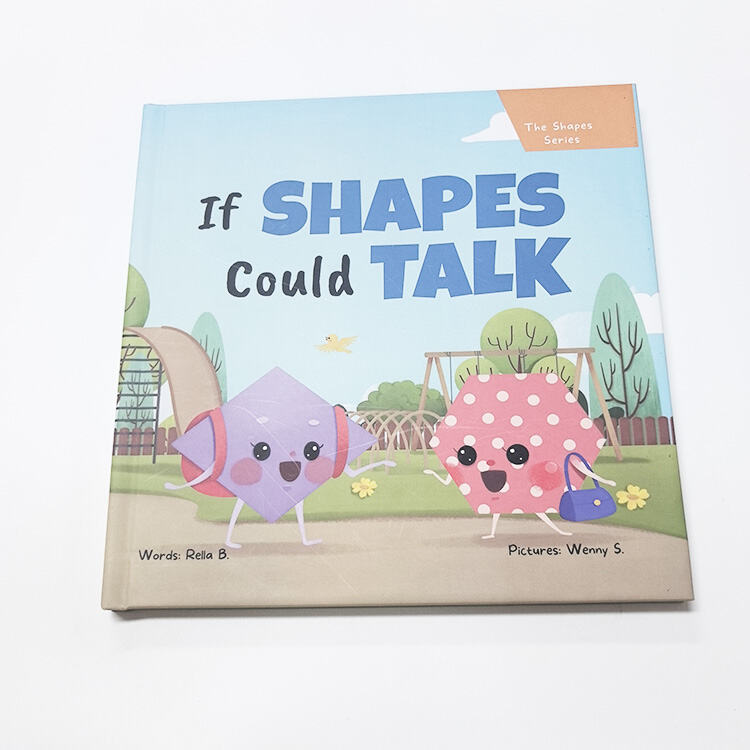
The publishing landscape has shifted dramatically over the past decade, and nowhere is this more evident than in the growing demand for short-run and on-demand production. Digital book printing has emerged as the definitive answer for authors, educators, independent publishers, and brands that need high-quality books in limited quantities without committing to the massive costs and inventory risks associated with traditional offset press runs. Whether you are a self-publishing author producing a debut children's story or a company creating a branded gift book for corporate clients, the ability to print exactly what you need—when you need it—has changed everything.
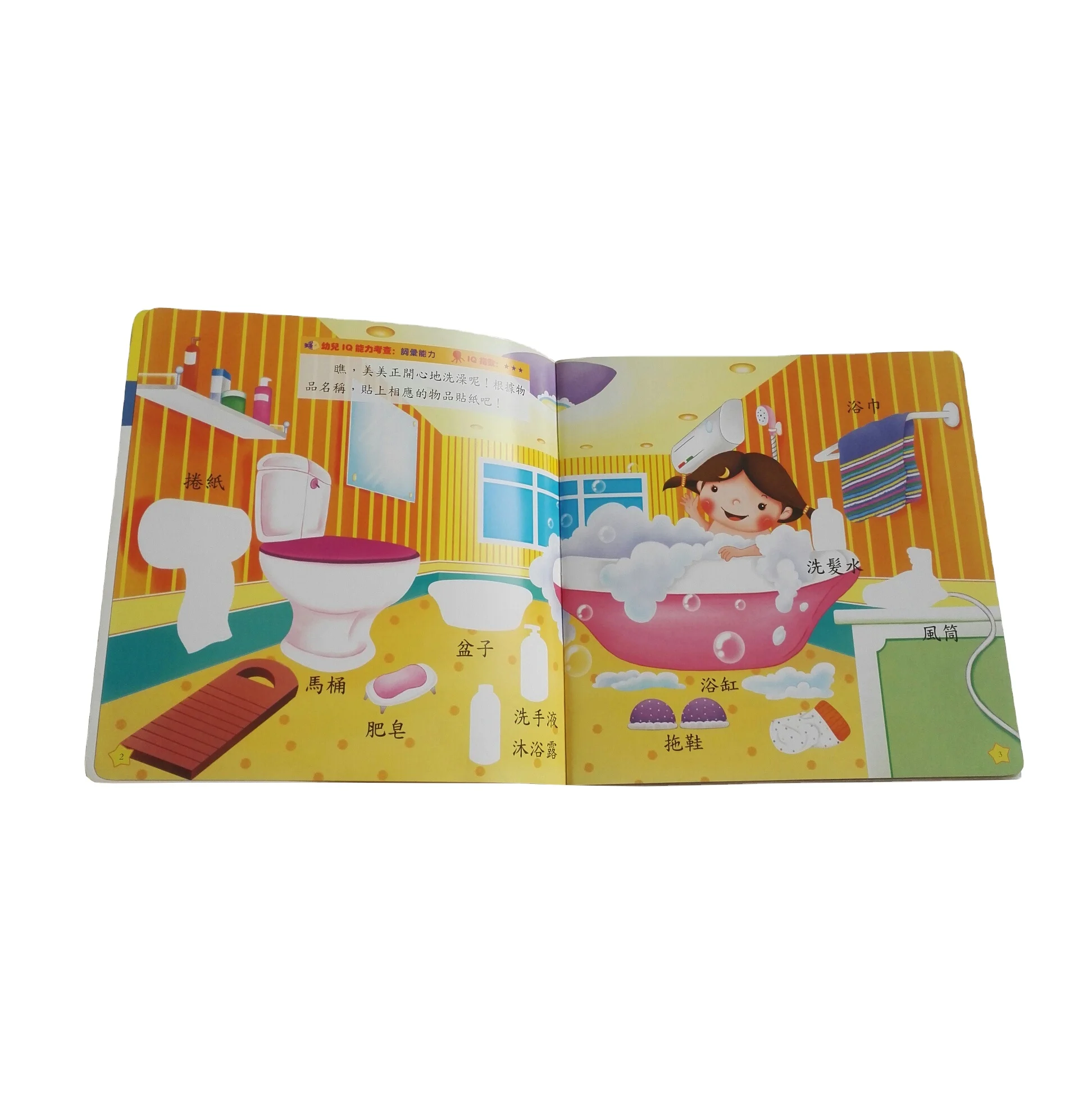
Understanding why digital book printing is the right fit for small batch publishing requires looking at both the economics and the operational realities of producing books at low volumes. Unlike conventional printing methods that demand large minimum order quantities to justify setup costs, digital book printing scales down efficiently, delivering professional results whether you order ten copies or five hundred. This article breaks down exactly why this technology aligns so powerfully with the needs of small batch publishers and what practical advantages it delivers across every stage of the production process.
The Core Economics Behind Small Batch Publishing
Why High Minimum Orders Hurt Independent Publishers
Traditional offset printing requires print plates, extensive press setup, and calibration processes that only become cost-effective at volumes of a thousand copies or more. For a small publisher producing a niche title or a children's book with a limited target audience, ordering that many copies is not just unnecessary—it is financially dangerous. Unsold inventory represents capital tied up in physical stock, warehouse costs, and eventual waste. This is precisely where digital book printing removes the barrier to entry for smaller operations.
With digital book printing, there are no plates to make and no lengthy press setup phases that drive up the cost per unit at low quantities. The digital workflow goes directly from a print-ready file to the press, meaning the economics stay favorable even when you only need fifty or one hundred copies. A first-time children's book author can test the market, gather reader feedback, and then decide whether to expand the print run based on actual demand rather than speculation.
This flexibility fundamentally changes the risk profile of small publishing projects. When the financial commitment of printing a book aligns with the actual scale of the project, publishers can operate more sustainably and make better decisions about where to invest their resources next.
Cost Per Unit Transparency at Low Volumes
Digital book printing provides consistent and predictable cost structures that make budgeting straightforward for independent publishers and small businesses. Because setup costs are minimal, the price per book remains reasonable even at quantities that would be economically impossible to justify on an offset press. Publishers working with tight margins can calculate their total investment, set retail pricing appropriately, and maintain profitability without needing blockbuster sales numbers.
For businesses producing branded books, training manuals, or custom educational materials, digital book printing allows procurement teams to align order volumes precisely with actual usage. There is no surplus stock eating into budgets, and reorders can be placed quickly when stock runs low. This just-in-time approach to book production is a direct operational benefit that traditional high-volume printing simply cannot offer at small batch scales.
Print Quality That Meets Professional Publishing Standards
Advances in Digital Press Technology
One of the historical objections to digital book printing was the perception that digital output could not match the color fidelity and sharpness of offset-printed books. That perception no longer reflects reality. Modern digital presses operate at resolutions and color depths that produce vivid, consistent, and commercially acceptable results across full-color children's books, art books, catalogs, and illustrated educational titles. The gap between digital and offset output has narrowed to the point where most readers cannot distinguish between the two.
For full-color illustrated books—especially children's books printed on coated paper or cardboard art paper—digital book printing delivers saturated colors and fine detail reproduction that genuinely satisfy both publishers and end readers. The ability to reproduce rich illustrations with accurate color matching is critical in the children's publishing segment, and modern digital presses handle this exceptionally well.
This technological maturity means that choosing digital book printing is no longer a compromise on quality for the sake of cost savings. It is a legitimate production method that produces finished books indistinguishable in quality from much larger print runs.
Material Flexibility for Different Book Formats
digital book printing supports a wide range of paper types and binding configurations, which is essential for publishers who need to tailor the physical product to their audience. Children's books benefit from thicker cardboard pages that withstand rough handling, while educational workbooks may call for standard offset paper with a matte finish. Coated art paper brings out the best in photographic content and illustrated pages, and all of these material choices are compatible with digital production workflows.
The flexibility to choose materials based on the book's intended use—rather than what fits the constraints of a high-volume press—gives small batch publishers genuine creative and commercial control. A publisher producing an eco-friendly children's book, for example, can specify recycled or sustainably sourced paper stocks and still achieve the full-color vibrancy the project demands. This kind of material customization used to be reserved for publishers with the leverage that came from ordering tens of thousands of copies. Digital book printing democratizes that access.
Speed and Turnaround Advantages for Small Publishers
Faster Time From File to Finished Book
One of the most significant practical advantages of digital book printing is the speed at which orders can be fulfilled. Because there is no plate-making stage and no lengthy press makeready process, digital production timelines are considerably shorter than offset. For small publishers working within tight launch windows—such as seasonal releases, event-specific publications, or time-sensitive educational materials—this speed is not just convenient; it is strategically important.
A children's book publisher preparing for a school fair or literary event needs to know that their stock will arrive on time. Digital book printing makes it realistic to place an order and receive finished, bound, and retail-ready books within days rather than weeks. This compressed timeline allows publishers to operate more responsively and take advantage of market opportunities that longer production cycles would cause them to miss.
The speed benefit compounds over multiple print runs as well. When a small publisher needs a second batch after selling out an initial run, digital book printing allows them to reorder quickly without re-submitting new plate files or waiting for a production slot in a large press schedule. The same digital file that produced the first run simply gets printed again, with consistent results each time.
On-Demand Printing as a Sustainable Publishing Model
The on-demand model enabled by digital book printing has important sustainability implications that increasingly matter to both publishers and their readers. Printing only what is needed eliminates overproduction, reduces paper waste, and avoids the energy consumed in producing and then destroying unsold inventory. For publishers who position themselves as environmentally responsible—particularly in the children's and educational publishing segments—this alignment between production method and brand values is genuinely meaningful.
Eco-friendly publishing is not simply a marketing claim when it is backed by an on-demand digital book printing workflow. The physical reality of not printing surplus copies, not shipping excess stock across warehouses, and not pulping unsold books makes a measurable difference in the environmental footprint of a publishing operation. This is a compelling reason for small publishers to choose digital production over speculative high-volume offset runs.
Customization and Personalization Capabilities
Variable Data Printing for Personalized Books
Digital book printing uniquely supports variable data printing, which allows individual copies within the same print run to contain different content. This capability has opened up an entirely new category of personalized children's books, where a child's name, appearance, or hometown can be incorporated directly into the story and illustrations. This level of personalization is impossible with offset printing but is native to the digital workflow.
For publishers building businesses around personalized products, digital book printing is not just convenient—it is the enabling technology. Each copy can be individually customized without any increase in setup cost or production complexity. The commercial model of selling personalized books at a premium price point becomes viable precisely because the production method supports individualization at the unit level.
Beyond personalization, variable data capabilities also allow publishers to produce region-specific editions, language variants, or content updates within a single production run. This is particularly valuable for educational publishers serving diverse markets or businesses producing training materials tailored to specific departments or locations.
Cover and Binding Customization for Brand Differentiation
Small batch publishers often use their books as brand touchpoints, and the ability to customize covers, finishes, and binding styles is therefore commercially important. Digital book printing supports lamination options, spot UV coatings, soft and hard cover configurations, and a range of binding styles that allow publishers to create finished products that reflect their brand identity and meet the expectations of their target audience.
A corporate publisher producing a luxury branded book expects a finished product that communicates quality and attention to detail. A children's book publisher needs durable binding and appealing cover design that stands out on a shelf. Digital book printing accommodates both requirements at small batch quantities, giving publishers the customization depth they need without the volume obligations of traditional production methods.
Practical Applications Across Publishing Segments
Children's Books and Educational Materials
The children's book market is one of the most natural fits for digital book printing at small batch volumes. Independent authors and illustrators frequently produce debut titles with uncertain initial demand, and the ability to print a few hundred copies to test market reception is invaluable. Full-color printing on high-quality coated paper or cardboard produces books that compete visually with titles from major publishers, giving independent creators a genuine chance to succeed in a competitive market.
Educational publishers producing supplementary materials, workbooks, and classroom resources also benefit significantly from digital book printing. Curriculum content needs to be updated regularly to reflect new standards or content revisions, and the ability to reprint in small batches without retooling the entire production process makes ongoing content management far more practical and cost-effective.
Corporate, Branded, and Specialty Publishing
Beyond traditional book publishing, digital book printing serves a growing market of corporate and specialty publishers who produce books for purposes other than retail sale. Annual reports formatted as coffee-table books, company histories produced as commemorative editions, staff training manuals, and client gift books are all categories where small batch, high-quality production is exactly what is required. These projects rarely justify offset print runs, but they demand professional results.
Digital book printing meets these demands precisely because it combines professional quality with the flexibility to produce small quantities at a cost that makes business sense. A company producing five hundred copies of a brand book for a product launch or investor relations campaign can achieve the same production quality as a large commercial publisher without the overhead or the inventory risk. This makes digital book printing a strategic tool for marketing and communications teams as well as for traditional publishers.
FAQ
What is the typical minimum order quantity for digital book printing?
One of the defining advantages of digital book printing is that minimum order quantities are very low compared to offset printing. Many digital printing suppliers can accommodate orders starting from as few as ten to fifty copies, and some on-demand platforms allow single-copy printing. This makes digital book printing genuinely accessible for small batch and test-run publishing scenarios without requiring significant upfront financial commitment.
Can digital book printing handle full-color illustrated children's books?
Yes, modern digital book printing technology is fully capable of producing high-quality full-color illustrated books, including children's titles with detailed artwork and vibrant color palettes. Printing on coated art paper, cardboard, or offset paper with digital presses delivers color fidelity and image sharpness that meet professional publishing standards. The results are visually compelling and indistinguishable from offset-printed books in most applications.
How does digital book printing support eco-friendly publishing?
Digital book printing supports sustainability through its on-demand production model, which eliminates overprinting and the waste associated with unsold inventory. Publishers can print exactly the quantity needed, use eco-certified paper stocks, and avoid the environmental costs of warehousing and destroying surplus books. For publishers committed to environmental responsibility, digital book printing aligns production practices with sustainability values in a concrete and measurable way.
Is digital book printing suitable for hardcover books with custom binding?
Digital book printing supports a broad range of binding and cover options, including hardcover configurations, perfect binding, saddle stitching, and spiral binding. Cover finishes such as matte lamination, gloss lamination, and spot UV coatings are also available through most digital printing suppliers. This means publishers can produce hardcover books with custom finishing at small batch quantities, making digital book printing a versatile solution for premium and specialty publishing projects.