
 EN
EN



Corrugated cardboard boxes have evolved far beyond their traditional role as simple shipping containers. In today's business landscape, corrugated cardboard boxes serve as versatile tools for innovation, sustainability, and creative problem-solving across multiple industries. From retail packaging to artistic installations, the applications of corrugated cardboard boxes continue to expand, offering companies and entrepreneurs new opportunities to engage customers while reducing environmental impact. Understanding the full potential of corrugated cardboard boxes enables businesses to unlock value that extends well beyond basic product protection and transportation.
The versatility of corrugated cardboard boxes stems from their unique structural properties, affordability, and recyclability. Businesses increasingly recognize that corrugated cardboard boxes offer strategic advantages beyond logistics, including brand differentiation, cost savings, and alignment with consumer sustainability preferences. This article explores the diverse and innovative creative uses of corrugated cardboard boxes, examining how forward-thinking organizations leverage this material to enhance customer experience, support marketing objectives, and contribute to circular economy initiatives.
Brand Experience and Retail Innovation
Unboxing as a Marketing Tool
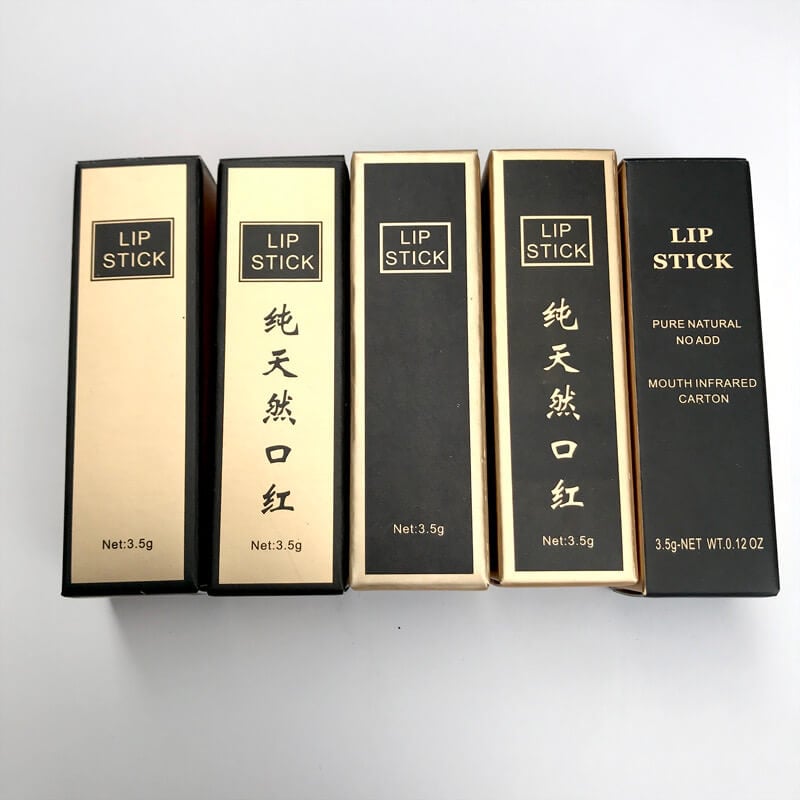
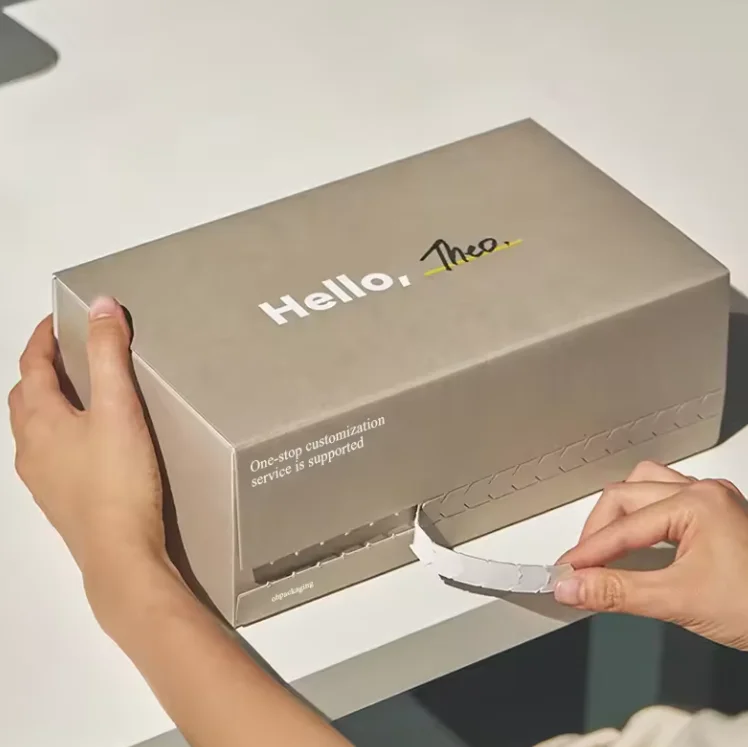
Corrugated cardboard boxes have become central to premium unboxing experiences that strengthen brand loyalty and generate social media engagement. Companies now design corrugated cardboard boxes with custom printing, unique structural elements, and personalized messaging that transforms the moment of product receipt into a memorable brand touchpoint. The corrugated cardboard boxes used in luxury retail often feature custom colors, embossing, tear strips, and protective interior linings that convey quality and care. This strategic use of corrugated cardboard boxes as an experience platform drives customer satisfaction metrics and encourages repeat purchases.
Point-of-Sale Displays and Floor Stands
Retail environments leverage corrugated cardboard boxes to create eye-catching promotional displays and point-of-sale stands that capture consumer attention. Corrugated cardboard boxes can be engineered into self-standing structures, tiered displays, and branded environments that maximize shelf space and product visibility. These corrugated cardboard boxes require minimal assembly, reduce storage costs, and can be customized with vibrant graphics and messaging that aligns with seasonal campaigns or product launches. Retailers benefit from corrugated cardboard boxes' structural stability combined with their lightweight nature, allowing for easy repositioning and rapid deployment across multiple store locations.
Sustainable Packaging Solutions
Eco-Conscious Shipping and Storage
Corrugated cardboard boxes represent a cornerstone of sustainable packaging strategies that appeal to environmentally conscious consumers and reduce organizational carbon footprints. The corrugated cardboard boxes used in modern logistics are manufactured from recyclable materials, often containing post-consumer recycled content that diverts waste from landfills. Businesses selecting corrugated cardboard boxes as their primary packaging medium demonstrate commitment to environmental stewardship while maintaining product protection standards. The durability of corrugated cardboard boxes ensures multiple shipment cycles without degradation, while their lightweight structure reduces transportation emissions compared to alternative packaging materials.
Circular Economy Participation
Organizations adopting corrugated cardboard boxes participate directly in circular economy frameworks where packaging material re-enters production cycles continuously. Corrugated cardboard boxes designed for easy disassembly and flat storage encourage consumer participation in recycling programs and reduce end-of-life disposal challenges. Companies leverage corrugated cardboard boxes' recyclability as a marketing advantage, communicating environmental responsibility to stakeholders and differentiating themselves within competitive markets. This sustainable approach to corrugated cardboard boxes aligns business operations with regulatory requirements and consumer expectations around environmental accountability.
Creative and Industrial Applications
DIY Projects and Artistic Installations
Beyond commercial applications, corrugated cardboard boxes serve as materials for creative expression, educational projects, and artistic installations. Artists and makers utilize corrugated cardboard boxes to construct large-scale sculptures, temporary structures, and interactive exhibits that engage audiences while demonstrating material versatility. Educational institutions incorporate corrugated cardboard boxes into curriculum activities where students design and build prototypes, packaging solutions, and functional furniture. The accessibility and affordability of corrugated cardboard boxes make them ideal for experimental projects, prototyping phases, and installations where material cost is a critical consideration.
Protective Packaging and Specialized Storage
Corrugated cardboard boxes provide specialized protective solutions for fragile items, electronics, and temperature-sensitive products that require customized internal structures and cushioning systems. Custom-designed corrugated cardboard boxes incorporate foam inserts, dividers, and compartments that secure products during transit while minimizing dimensional weight charges. Corrugated cardboard boxes engineered for specific industries, such as pharmaceuticals or automotive components, meet regulatory compliance requirements while maintaining cost efficiency. The adaptability of corrugated cardboard boxes to various product specifications makes them invaluable for businesses requiring tailored protective packaging that balances protection, sustainability, and profitability.
FAQ
What makes corrugated cardboard boxes more sustainable than other packaging materials?
Corrugated cardboard boxes excel in sustainability because they are manufactured from renewable resources, contain recyclable materials, and are accepted in virtually all municipal recycling programs. The production process for corrugated cardboard boxes generates lower emissions compared to plastic or Styrofoam alternatives, and corrugated cardboard boxes can be recycled multiple times without significant degradation. Their biodegradability ensures that corrugated cardboard boxes decompose naturally if they enter landfill environments, unlike synthetic packaging materials that persist for centuries.
How can businesses customize corrugated cardboard boxes for brand differentiation?
Businesses can customize corrugated cardboard boxes through various printing techniques, structural designs, and material finishes that reflect brand identity and values. Corrugated cardboard boxes support full-color digital printing, embossing, UV coating, tear strips, and custom die-cutting that creates memorable unboxing experiences. These customization options make corrugated cardboard boxes cost-effective vehicles for brand storytelling that strengthen customer relationships and encourage social media sharing of unboxing content.
Are corrugated cardboard boxes suitable for protecting delicate items during shipping?
Yes, corrugated cardboard boxes provide excellent protection for delicate items when designed with appropriate internal cushioning systems and structural reinforcement. Corrugated cardboard boxes can be engineered with foam inserts, air pillows, and protective dividers that absorb shock and prevent product movement during transit. The strength-to-weight ratio of corrugated cardboard boxes makes them ideal for protecting electronics, glassware, and fragile components while keeping overall dimensional weight minimal for shipping cost optimization.