
 EN




A well-produced magazine demands more than compelling content and striking photography. The tactile and visual experience of holding a magazine plays a crucial role in defining its perceived value and artistic merit. Surface coatings are transformative elements that elevate magazine artistic value by enhancing visual appeal, improving durability, and creating a premium user experience. Whether you're producing a luxury lifestyle publication, a corporate magazine, or an arts and culture journal, the right coating strategy can distinguish your magazine in a crowded market and leave a lasting impression on readers.
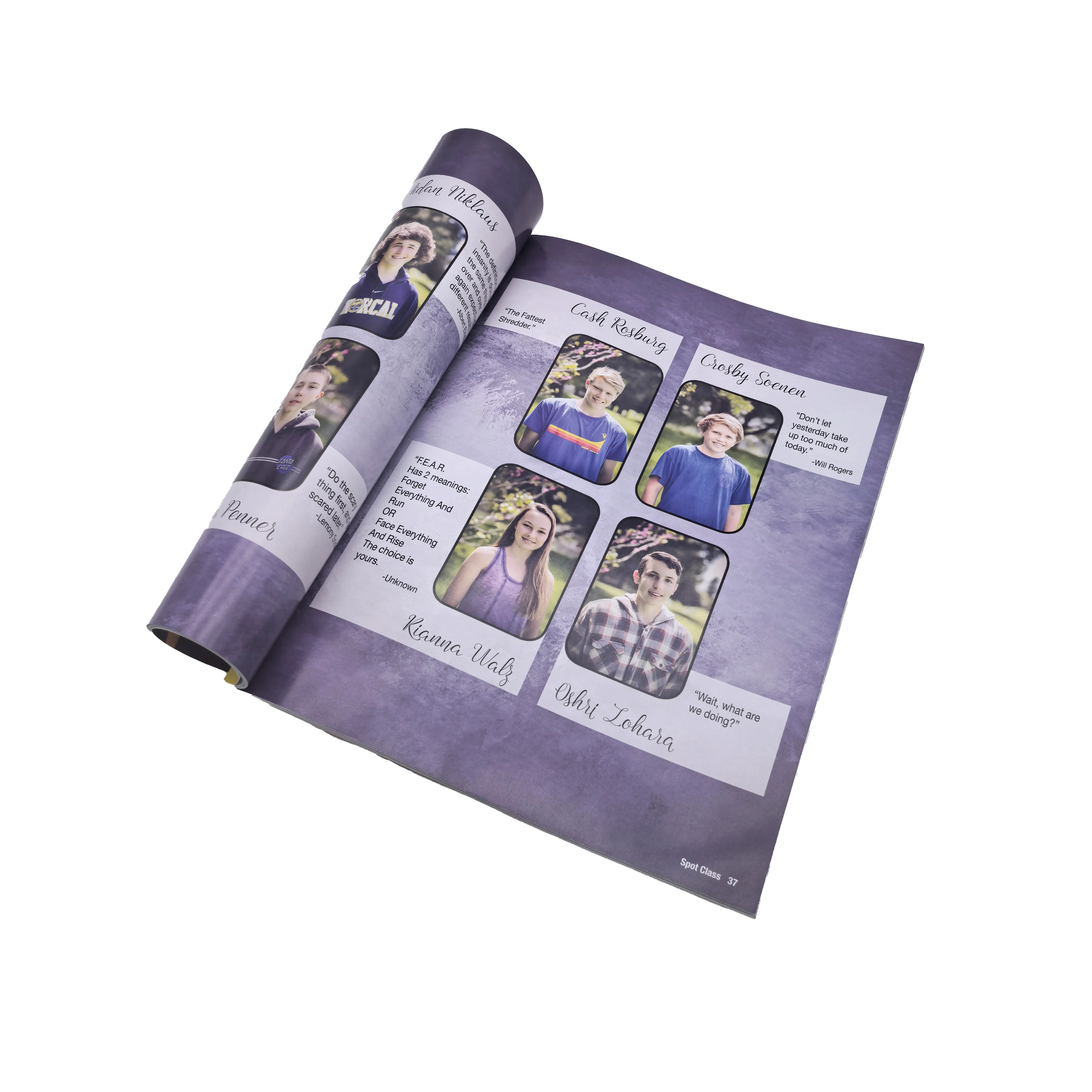
Magazine production involves many critical decisions, and surface finish selection is among the most impactful. A magazine with thoughtfully chosen coatings conveys sophistication, professionalism, and editorial excellence. The right surface coating not only protects your magazine from wear and environmental damage but also amplifies the visual clarity of printed images, enriches color vibrancy, and creates tactile qualities that enhance the overall reading experience. Understanding how to leverage surface coatings strategically is essential for publishers seeking to maximize their magazine's artistic impact and commercial appeal.
Understanding Surface Coatings and Magazine Enhancement
The Role of Coatings in Magazine Design
Surface coatings serve multiple purposes in magazine production beyond basic protection. They interact with printed inks and substrates to dramatically alter how a magazine looks, feels, and ages. A magazine gains artistic value when coatings enhance color saturation, reduce glare, and add texture or sheen that aligns with the editorial vision. Different coating types produce distinct visual and tactile effects, allowing art directors and designers to make intentional choices that reinforce brand identity and content messaging. The right coating transforms a magazine from a functional publication into a collectible object that readers want to keep and revisit.
Visual Impact and Reader Perception
Readers form immediate judgments about magazine quality based on visual and tactile cues. A magazine coated with a premium gloss finish reflects light in ways that emphasize photographic detail and color depth, creating an impression of luxury and professional production. Conversely, a magazine finished with a matte coating projects sophistication, editorial authenticity, and a focus on content substance. The coating choice becomes part of the magazine's artistic language, communicating values to the audience before they read a single word. Premium coatings directly influence whether readers perceive your magazine as professionally executed and worth their time and attention.
Core Coating Options for Magazine Artistic Value
Gloss Coatings and High-Impact Aesthetics
Gloss coatings are the industry standard for magazines aiming to maximize visual impact and color brilliance. A magazine treated with gloss coating exhibits superior color saturation, deeper blacks, and vibrant tones that photograph and illustration demand. The reflective properties of gloss create dimensional depth, making images appear to leap off the page. This type of coating is particularly effective for fashion magazines, art publications, and lifestyle magazines where visual storytelling is paramount. The glossy finish also provides excellent durability, protecting magazine pages from fingerprints, moisture, and fading over time. For publishers prioritizing magazine artistic value through visual drama and modern aesthetics, gloss coating remains the preferred choice.
Matte Coatings and Refined Elegance
Matte coatings offer a distinctly different artistic direction for magazine design and positioning. A magazine finished with matte coating presents a softer, more refined appearance that emphasizes content substance and editorial credibility. The non-reflective surface reduces glare and creates a reading experience that feels less commercial and more intimate. Matte coatings are ideal for literary journals, corporate magazines, and publications focused on in-depth reporting or cultural commentary. The artistic value of a magazine using matte finish lies in its perceived sophistication and the impression of authentic, serious editorial work. Many premium publications choose matte coatings to differentiate themselves from mass-market glossy magazines and signal commitment to quality journalism.
Satin and Hybrid Coating Approaches
Satin coatings represent a compromise between gloss and matte, offering moderate sheen that provides visual enhancement without overwhelming glare. A magazine with satin finish balances color vibrancy with refined aesthetics, making it versatile across magazine categories. Hybrid approaches involve applying different coatings to different pages of a magazine—for example, gloss on photo-heavy spreads and matte on text-intensive sections. This strategy allows art directors to create artistic complexity and visual rhythm within a single magazine issue. The artistic value emerges from intentional coating variation that guides reader attention and reinforces design hierarchy. Sophisticated magazine productions increasingly employ strategic coating combinations to achieve layered visual impact.
Implementation Strategy and Best Practices
Aligning Coatings With Editorial Vision
Successful magazine production requires coating decisions aligned with overall editorial strategy and brand positioning. Before selecting a coating for your magazine, consider the target audience, content category, distribution environment, and competitive landscape. A magazine targeting luxury consumers demands premium gloss or satin finishes, while a magazine emphasizing investigative journalism might benefit from matte aesthetics. The coating choice should feel inevitable rather than arbitrary—an extension of editorial voice rather than a post-production afterthought. Art directors and production managers should collaborate early to ensure that coating selection supports the magazine's core message and artistic direction. This alignment ensures that the magazine's physical presentation reinforces rather than contradicts its content.
Technical Considerations and Quality Standards
Achieving magazine artistic value through coatings requires attention to technical specifications and production standards. Paper stock selection interacts critically with coating performance—premium magazine stocks accept coatings more evenly and produce superior color reproduction. The thickness of coating application affects both appearance and durability of your magazine. Uneven coating application results in visible banding or inconsistent sheen that undermines artistic intent. Professional production facilities employ precise coating equipment and quality control systems to ensure consistent results across all magazine pages. Testing prototypes before full production allows editors and designers to verify that coating choices achieve desired aesthetic effects. Specifications must clearly communicate coating requirements to ensure that finished magazine samples meet artistic and technical expectations.
Cost-Benefit and Sustainability Considerations
While premium coatings enhance magazine artistic value, production costs vary significantly across coating options. Gloss and matte coatings cost roughly equivalent, whereas specialized finishes and hybrid approaches command premiums. Publishers must balance artistic aspirations with production budgets and distribution economics. A magazine serving niche audiences justifies premium coating costs, while broader publications may optimize for cost-effectiveness. Environmental concerns also influence coating selection—water-based coatings offer ecological advantages over traditional solvent-based options. Sustainable magazine practices increasingly emphasize eco-friendly coatings that maintain aesthetic standards while reducing environmental impact. Smart coating strategy considers long-term magazine economics, audience expectations, and corporate responsibility simultaneously.
FAQ
Does magazine surface coating affect how colors appear in print?
Yes, surface coating significantly impacts color appearance and reproduction. Gloss coatings intensify color saturation and create deeper blacks, enhancing visual drama in your magazine. Matte coatings produce more neutral color rendering, emphasizing authenticity and reducing reflective distortion. The coating essentially acts as a final filter that changes how light reflects from printed inks, directly affecting perceived color vibrancy and depth. Art directors should review coated proofs before finalizing magazine production to ensure colors align with artistic intent.
Can magazine producers mix different coatings within a single issue?
Absolutely. Strategic coating variation within a magazine creates artistic sophistication and directs reader attention. Many magazine producers apply gloss coating to photography-heavy sections to maximize visual impact while using matte coating on text-dense pages for enhanced readability. This hybrid approach requires careful coordination during production but allows sophisticated art directors to create visual rhythm and complexity. Mixing coatings demands clear specifications and quality control to ensure seamless transitions between coated sections.
How does magazine coating durability compare across different finish types?
All professional magazine coatings provide substantial durability improvements over uncoated stock. Gloss coatings excel at resisting fingerprints and moisture while maintaining color vibrancy through extended storage. Matte coatings resist fingerprints equally well but may show wear patterns differently under heavy handling. Overall durability depends more on coating quality and application precision than finish type. Premium magazine producers applying industry-standard coatings through professional facilities achieve excellent durability regardless of finish selection. The choice between finishes should prioritize artistic objectives rather than durability concerns.